Self-Improvement and Interesting Knowledge

  • The Hidden World of Real-Life Vampires, Energy Feeders, And Black-Eyed People

    The Hidden World of Real-Life Vampires, Energy Feeders, And Black-Eyed People

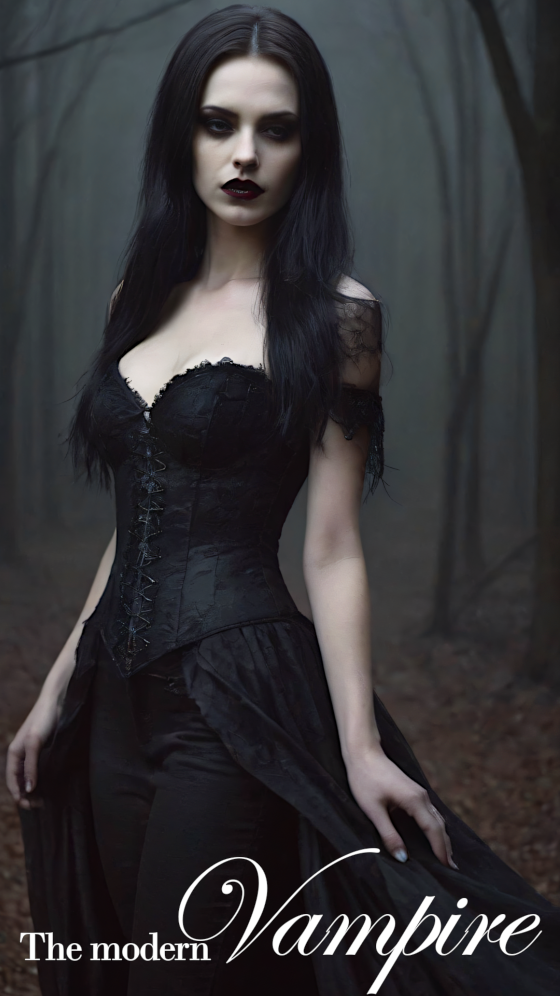
    In the depths of our modern world, a fascinating subculture thrives in the shadows, captivating the imagination and challenging our understanding of human nature. Real-life vampires, far from the fictional characters we’ve grown accustomed to, walk among us, seeking sustenance in ways that defy conventional norms. This article delves into the intriguing realm of living vampires, exploring their history, modern manifestations, and the underground communities that have formed around this unique lifestyle.

    From blood-drinking enthusiasts to energy vampires who feed on the life force of others, we’ll uncover the diverse spectrum of vampiric practices and the motivations behind them. We’ll also examine the mysterious connection between these individuals and the enigmatic black-eyed beings reported worldwide. Prepare to embark on a journey that challenges your perceptions and opens your mind to the extraordinary possibilities that exist just beneath the surface of our everyday reality.

    The Evolution of Real-Life Vampirism

    Ancient Roots and Historical Context

    The concept of vampirism has woven itself into the fabric of human culture since time immemorial. Throughout the ages, societies across the globe have spun tales of enigmatic entities that sustain themselves by consuming the vital essence of others. This enduring motif has manifested in myriad forms, adapting to the unique beliefs and fears of each civilization that embraced it.

    In the cradle of civilization, ancient Mesopotamian myths spoke of malevolent spirits that prowled the night, seeking the blood of the living to sate their insatiable hunger. These early vampiric figures were often associated with demons or restless souls, unable to find peace in the afterlife and forced to prey upon the living to maintain their existence.

    As we journey eastward, we encounter the rich folklore of Asian cultures, where legends tell of spectral beings that drain not blood, but the very life force or energy of their victims. These ethereal predators were believed to leave their prey weakened, listless, and slowly withering away – a fate perhaps more terrifying than a swift, bloody end.

    The vampire archetype has shown remarkable resilience and adaptability, persisting through millennia and across vast geographical distances. This omnipresence of lore speaks to the deep-seated fears and fascinations that lie at the core of human nature – our complex relationship with death, the unknown, and the possibility of life beyond the grave.

    Moving forward in time, we witness a fascinating shift in the vampire narrative during the 18th and 19th centuries in Europe. This period saw an unprecedented surge in vampire hysteria, fueled by a potent mixture of superstition, religious fervor, and a possibly quite real, malevolent force. Communities were gripped by fear as tales of the undead spread like wildfire, leading to macabre practices aimed at preventing the rise of these nocturnal predators.

    In villages across Eastern Europe, particularly, there were numerous accounts of corpses being exhumed from their graves, subjected to various rituals, and ultimately staked through the heart. These grim procedures were believed necessary to ensure the deceased remained at rest and did not return to prey upon the living.

    The hysteria reached such heights that even local authorities and clergy members sometimes sanctioned these practices, lending an air of legitimacy to the local peoples attempt to eradicate this evil.
    This period of intense vampire hysteria played a pivotal role in shaping the modern vampire mythos. The vivid accounts, elaborate rituals, and widespread beliefs of this era provided rich source material for the writers and artists who would later reimagine the vampire for the modern age.

    The vampire archetype has evolved from a terrifying supernatural threat to a complex figure in the modern age, that often embodies both fear and fascination in contemporary culture. This transformation speaks to the enduring power of this mythical being to captivate our imagination and reflect our deepest fears and desires across the ages.

    The Birth of Modern Vampirism

    The dawn of the 20th century signaled a remarkable transformation in the concept of vampirism, shifting it from the realm of myth and legend into a tangible, lived experience. This evolution marked the birth of a new paradigm – the real-life vampire. Unlike their predecessors, these individuals were not ghouls or undead beings, but rather living, breathing humans who identified with certain vampiric characteristics and practices.

    This revolutionary movement began to take shape as society underwent significant cultural changes. The rigid structures of previous eras began to loosen, allowing for the emergence and flourishing of alternative subcultures. These new social groups provided safe spaces for individuals to explore unconventional identities and lifestyles, including those inspired by vampire lore.

    The 1970s and 1980s proved to be a pivotal period for the modern vampire community. This era saw a surge in interest in gothic aesthetics, dark romanticism, and occult practices. The gothic subculture, with its fascination for the macabre and the mysterious, provided fertile ground for vampire-inspired identities to take root and thrive. Simultaneously, a renewed curiosity in esoteric knowledge and alternative spiritualities created an atmosphere receptive to exploring the more metaphysical aspects of vampirism.

    As this movement gained momentum, it began to define itself in ways that clearly distinguished it from fictional portrayals of vampires. Modern real-life vampires eschewed the supernatural elements commonly associated with their mythical counterparts. They did not claim immortality or undead status, nor did they believe in their ability to “turn” others into vampires through bites or blood exchange.

    Instead, these individuals developed a unique self-concept centered around energy and vitality. They identified as humans with an atypical physiological or metaphysical need – a requirement to consume either blood or subtle energy from other sources to maintain their overall well-being. This need was described not as a desire for immortality or power, but as a genuine necessity for physical health, mental clarity, and emotional balance.

    The vampire community began to establish its own terminology, practices, and ethical guidelines. Those who felt the need to consume blood referred to themselves as “sanguinarians,” while those who believed they could absorb energy through non-physical means became known as “psychic vampires” or “energy feeders.” Some individuals identified with both practices, calling themselves “hybrids.”

    These modern vampires emphasized consent, safety, and discretion in their practices. They formed communities, both online and in person, to share experiences, offer support, and establish codes of conduct. These groups worked to distance themselves from the violent and predatory images of vampires in popular culture, instead promoting responsible and ethical approaches to their unique lifestyle.

    The emergence of the internet in the late 20th century provided a crucial tool for the vampire community to connect, organize, and share information on a global scale. Online forums, chat rooms, and websites became virtual havens where individuals could explore their identities, find like-minded others, and access resources about safe practices and community standards.

    As the movement progressed into the 21st century, it began to attract the attention of researchers, sociologists, and anthropologists intrigued by this modern interpretation of an age-old archetype. Studies and documentaries emerged, exploring the psychological, social, and cultural aspects of the real-life vampire community.

    The birth of modern vampirism represents a fascinating intersection of mythology, subculture, identity, and human need. It demonstrates the enduring power of the vampire archetype to captivate the human imagination and its ability to evolve and adapt to contemporary contexts. As society continues to change and evolve, so too does the concept of the vampire, reflecting the complex interplay between ancient mythology and modern realities.

    Types of Real-Life Vampires

    Sanguinarians: The Blood Drinkers

    Sanguinarian vampires, also known as blood vampires, are individuals who feel a compelling need to consume human blood. This practice, while controversial, is typically conducted with consent and under controlled conditions. Sanguinarians often describe a feeling of rejuvenation and increased vitality after consuming blood.

    The amount of blood consumed is usually small, ranging from a few drops to a few ounces. Many sanguinarians have regular “donors” – individuals who willingly provide blood for consumption. These relationships are often built on trust and mutual understanding, with both parties taking precautions to ensure safety and hygiene.

    Psychic Vampires: Energy Feeders

    Psychic vampires, or energy vampires, believe they can absorb the life force or energy of others. Unlike sanguinarians, they don’t require physical contact or blood consumption. Instead, they claim to feed on the emotional or psychic energy emanating from people around them.

    Energy vampires describe various methods of feeding, including:

    1. Ambient feeding: Drawing energy from crowded places or emotionally charged environments.
    2. Tactile feeding: Absorbing energy through physical touch or proximity.
    3. Tantric feeding: Exchanging energy during intimate or sexual encounters.
    4. Elemental feeding: Drawing energy from natural elements or environments.

    Many psychic vampires report feeling drained or unwell if they go too long without feeding, similar to the experiences described by sanguinarians.

    Hybrid Vampires: Blending Blood and Energy

    Some individuals identify as hybrid vampires, feeling the need to consume both blood and energy. These vampires may alternate between sanguinarian and psychic feeding methods, or they may combine them in various ways. Hybrid vampires often report that different types of feeding fulfill different needs or provide distinct benefits.

    The Vampire Community: Underground Groups and Modern Counterparts

    Online Communities and Support Networks

    The internet has played a crucial role in connecting real-life vampires and providing a platform for sharing experiences, knowledge, and support. Online forums, social media groups, and dedicated websites have created a global network of individuals who identify with vampirism.

    These communities serve multiple purposes:

    1. Providing a safe space for vampires to discuss their experiences without judgment.
    2. Sharing information on safe feeding practices and donor etiquette.
    3. Offering emotional support and guidance for those new to the lifestyle.
    4. Organizing meetups and events for in-person connections.

    Vampire Houses and Covens

    In many cities around the world, vampire houses or covens have formed. These groups often function as chosen families, providing support, guidance, and a sense of belonging to their members. Houses may have specific hierarchies, rituals, or practices that members adhere to.

    Some notable vampire houses include:

    1. The Temple of the Vampire: A religious organization that combines vampirism with spiritual practices.
    2. House Kheperu: A well-known group that focuses on energy work and psychic vampirism.
    3. The New Orleans Vampire Association (NOVA): An organization that works to educate the public about real vampirism and provides support to the vampire community.

    Vampire Balls and Gatherings

    Regular events and gatherings allow members of the vampire community to come together in person. These range from small, local meetups to large-scale conventions and balls. Some of the most famous vampire events include:

    1. The Endless Night Vampire Ball: Held annually in New Orleans, this event attracts vampires and enthusiasts from around the world.
    2. Vampire Con: A convention dedicated to both fictional and real-life vampire culture.
    3. The Vampire Masquerade Ball: Hosted in various cities, these events combine gothic aesthetics with vampire culture.

    The Sexual Aspect of Vampirism

    Blood Play and Sexual Gratification

    For some vampires, the act of blood consumption is intimately tied to sexual pleasure. This practice, often referred to as blood play, involves the consensual exchange of small amounts of blood during sexual activities. Practitioners report intense feelings of connection, heightened sensations, and powerful orgasms associated with blood play.

    It’s important to note that not all vampires engage in sexual blood play, and not all who practice blood play identify as vampires. The intersection of vampirism and sexuality is complex and varied, with individuals experiencing and expressing it in diverse ways.

    Energy Exchange in Intimate Settings

    Psychic vampires often describe a powerful energy exchange during intimate encounters. This can range from a general sense of increased vitality to specific sensations of energy flowing between partners. Some report being able to direct and manipulate this energy to enhance pleasure or achieve altered states of consciousness.

    Tantric practices and other forms of energy-based sex magic are sometimes incorporated into these experiences, blending vampiric feeding with spiritual and sexual exploration.

    The Black-Eyed Connection: A Global Phenomenon

    Reports of Black-Eyed Beings

    In the past few decades, a chilling phenomenon has captured the attention of both paranormal enthusiasts and the general public alike. Accounts of encounters with enigmatic entities known as “black-eyed kids” or “black-eyed adults” have proliferated across various media platforms and personal testimonies. These mysterious beings are consistently described as having several distinctive features that set them apart from ordinary humans.

    The most striking characteristic of these entities is their eyes – described as completely black, devoid of any white sclera or colored iris. This unnatural appearance immediately instills a sense of unease in those who claim to have witnessed them. Beyond their unsettling gaze, these beings are often reported to have unusually pale skin, giving them an almost sickly or otherworldly appearance.

    Witnesses frequently describe an inexplicable aura of dread that surrounds these entities. Many report feeling an overwhelming sense of fear or danger in their presence, even before noticing their unusual eyes. This visceral reaction has led some to speculate about the true nature of these beings and their potential abilities to influence human emotions.

    Encounters with black-eyed beings often follow a similar pattern. They are frequently reported approaching people in isolated areas, such as parked cars or homes late at night. In many accounts, these entities attempt to gain entry into vehicles or residences, often using persuasive or manipulative tactics. Their behavior is described as eerily calm and persistent, which only adds to the unsettling nature of the encounters.

    While skeptics argue that these sightings may be the result of overactive imaginations or misidentifications, the consistency of reports across different geographical locations and cultural backgrounds has led many to believe there might be more to this phenomenon. The vampire community, in particular, has taken a keen interest in these accounts, drawing intriguing parallels between black-eyed beings and certain aspects of vampire lore.

    Theories Linking Black-Eyed Beings to Vampirism

    The apparent connection between black-eyed beings and vampirism has sparked numerous theories within both paranormal research circles and the vampire community. These hypotheses attempt to bridge the gap between traditional vampire mythology and the modern phenomenon of black-eyed entity encounters.

    1. Energy Vampires in Disguise: One compelling theory posits that black-eyed beings are, in fact, highly evolved psychic vampires. According to this idea, these entities have developed the extraordinary ability to alter their physical appearance, with the black eyes serving as a side effect or intentional manifestation of their power. This disguise allows them to move undetected among humans, facilitating their feeding process. Proponents of this theory suggest that the overwhelming fear reported by witnesses is actually a byproduct of the entity’s energy-draining abilities.
    2. Interdimensional Feeders: A more exotic explanation proposes that black-eyed beings are vampiric entities originating from alternate dimensions or realities. This theory suggests that these beings have found ways to traverse the boundaries between worlds, crossing over into our reality to feed on human energy. The black eyes, in this context, could be a result of their interdimensional nature or a physical adaptation necessary for their cross-dimensional travel. This hypothesis often draws parallels with various folkloric traditions that speak of beings existing between worlds.
    3. Evolutionary Adaptation: Some researchers speculate that the distinctive black eyes of these entities represent an evolutionary trait developed by a subset of vampires over time. This adaptation could serve multiple purposes. It might enhance their ability to perceive and manipulate energy fields, giving them a significant advantage in identifying and extracting life force from their surroundings. Additionally, the eyes could act as a form of hypnotic tool, allowing these beings to more easily influence or subdue their prey. This theory often points to the reports of witnesses feeling inexplicably compelled to comply with the entities’ requests.
    4. Manifestation of Feeding State: Another intriguing perspective suggests that the black eyes are not a permanent feature but rather a temporary manifestation that occurs when these vampiric beings enter an intense feeding state. This theory proposes that the eyes change appearance as a result of the entity channeling or consuming energy. The complete blackness could be a visual representation of the void left by their energy absorption or a physical reaction to the influx of consumed life force. This explanation attempts to reconcile the vampire mythology with the sporadic nature of black-eyed being sightings.

    While these theories remain in the realm of speculation, they underscore the dynamic nature of vampire lore in the modern era. The emergence of black-eyed being accounts has injected new life into age-old myths, prompting a reevaluation of traditional vampiric concepts.

    Frequently Asked Questions

    Are real-life vampires dangerous?

    The vast majority of individuals who identify as vampires are not dangerous. They typically follow strict ethical guidelines, emphasizing consent, safety, and discretion in their feeding practices. Many vampire communities have codes of conduct that prohibit harming others or feeding without explicit permission.

    How do vampires find donors?

    Vampires often find donors within their own social circles or through online communities dedicated to vampire-donor connections. These relationships are usually built on trust, mutual understanding, and clear communication about boundaries and expectations.

    Can anyone become a vampire?

    The vampire community generally believes that vampirism is an innate condition rather than something that can be chosen or acquired. However, some individuals report “awakening” to their vampiric nature later in life, often after a period of feeling inexplicably drained or unwell.

    How do vampires maintain their health and safety?

    Responsible vampires prioritize health and safety for both themselves and their donors. This includes:

    1. Regular medical check-ups and blood tests
    2. Using sterile equipment for blood draws
    3. Educating themselves on safe feeding practices
    4. Being aware of and respecting legal boundaries
    5. Maintaining open communication with donors about health status

    Is vampirism recognized as a medical or psychological condition?

    Currently, vampirism is not officially recognized as a medical or psychological condition by mainstream healthcare organizations. Some researchers have proposed classifying it as a form of identity or alternative lifestyle rather than a disorder. The vampire community itself is divided on whether vampirism should be viewed through a medical lens or as a spiritual or energetic phenomenon.

    Conclusion: Embracing the Shadows

    The world of real-life vampires serves as a great example of the diversity of human experience possible, and the endless capacity for subcultures to emerge and evolve. From sanguinarians who find vitality in blood, to psychic vampires who feed on intangible energies around us, and black-eyed beings that seem to transcend mythology and reality, these individuals challenge our understanding of the world and human potential.

    As we’ve explored the history, practices, and communities surrounding modern vampirism, it becomes clear that this is more than just a fringe lifestyle or passing fad. For many, it is an integral part of their identity and well-being. The connections drawn between vampirism and other phenomena, such as the black-eyed beings, further illustrate the complex and ever-expanding nature of this subculture.

    Whether viewed through a spiritual, psychological, or physiological lens, the existence of real-life vampires is but one incredibly intriguing chapter in the vast spectrum of human experience. As research continues and more individuals step out of the shadows to share their stories, our understanding of vampirism – and perhaps of human nature itself – will undoubtedly continue to evolve.

    In embracing the shadows, we may find that there is much to learn from those who walk between worlds, challenging the boundaries of what we believe to be possible in and among those odd angles of unexplored reality.


  • The Allure of Black Goo: Could it be More Than Just a Pop-Culture Phenomena?

    The Allure of Black Goo: Could it be More Than Just a Pop-Culture Phenomena?

    Introduction

    In the world of pop culture, few symbols have captivated audiences as much as the enigmatic black goo. Originally popularized by the science fiction series The X-Files, this mysterious substance is known for its ability to invade and control human hosts. Recently, black goo has transcended it’s supposed fictional origins, appearing prominently in music videos and photo shoots by celebrities like Lady Gaga and Samantha Fox. This trend raises intriguing questions about its symbolism and the reasons behind its growing presence in media.

    The Ancient Origins of Black Goo: Egyptian Symbolism of Regeneration and the Afterlife

    While modern pop culture has embraced black goo as a symbol of the unknown and potentially sinister, its roots stretch back to ancient Egypt, where it held profound spiritual significance. In Egyptian funerary practices, a mysterious black substance was used to coat coffins, mummy cases, and various burial artifacts. This ancient “black goo” was far more than a preservative; it was a powerful symbol of regeneration and the journey into the afterlife.

    The use of this substance was closely tied to Osiris, the god of death and rebirth, often depicted with black skin and in mummified form. Known as “the black one,” Osiris embodied the cycle of life, death, and resurrection that was central to Egyptian beliefs. By coating burial items with black goo, the Egyptians sought to imbue the deceased with Osiris’s regenerative powers, facilitating their transformation and rebirth in the afterlife.

    This practice wasn’t limited to royalty, though it was primarily reserved for the elite. From Tutankhamun’s golden coffin to the burial goods of high-ranking priests, the application of black goo was a crucial step in the funerary process. It served as a form of “mummy medicine,” believed to protect and nurture the soul on its journey through the underworld.

    The symbolism of black in Egyptian culture extended beyond the funerary realm. It was associated with the fertile black silt deposited by the annual Nile floods, which brought life to the desert. This connection between black, fertility, and rebirth further reinforced the spiritual power attributed to the black goo used in burials.

    Understanding this ancient context adds depth to our modern interpretations of black goo symbolism. It suggests that the current fascination with this substance may be tapping into age-old human concerns about death, rebirth, and the unknown. As we explore the use of black goo imagery in contemporary media, we might consider how it echoes these ancient beliefs, blending fears of the unknown with hopes for transformation and renewal. And, if we are open to the possibility of that which is beyond our physical senses and the ruler world of modern rationalism, we may even contemplate the possibility that black goo is not just a symbol for something, but that it is something in and of itself. Perhaps black goo is far more than just a modern pop culture trend!

    The Occult Perspective: Black Goo as a Living Essence

    In the realm of occult research, black goo takes on an even more mysterious and potentially sinister role. Some researchers in this field believe that this substance is not merely a chemical compound or even an alien technology, but a living, conscious entity with its own agenda.

    Extraterrestrial Origins

    According to these occult theories, black goo arrived on Earth via meteorites, suggesting an extraterrestrial origin. This aligns with some science fiction depictions but takes the concept further by proposing that the substance is not just alien in origin, but alive in a way we may not fully comprehend.

    Sentient Substance

    What sets this occult interpretation apart is the belief that black goo possesses a form of consciousness. It’s described as having a mind of its own, capable of influencing its environment and even the thoughts and behaviors of living beings it comes into contact with. This idea of a sentient, fluid-like substance challenges our understanding of what constitutes life and consciousness.

    Planetary Influence

    Some occult researchers suggest that this living black goo plays a significant role in planetary systems. They propose that in its natural, benevolent state, it acts as a kind of planetary consciousness, flowing through the Earth’s ley lines and contributing to the overall health and balance of the biosphere. However, they also warn of a corrupted or alien version of this substance that could have more nefarious purposes.

    Manipulation of Reality

    Perhaps most intriguingly, these theories posit that black goo has the ability to manipulate reality on a quantum level. It’s said to interact with the biophoton exchange within DNA, potentially altering the very fabric of physical existence and consciousness. This concept bridges esoteric ideas with cutting-edge scientific theories about the nature of reality and consciousness.

    Spiritual and Psychological Impact

    The occult perspective on black goo often includes accounts of profound spiritual experiences associated with encountering the substance. These range from feelings of connection to a vast, planetary consciousness to more disturbing sensations of being invaded or controlled by an alien presence. Such experiences are said to have lasting psychological and spiritual effects on individuals.

    Global Conspiracy Theories

    Some researchers in this field go as far as to suggest that knowledge of this living black goo is at the heart of global conspiracies. They propose that certain groups are aware of its existence and are either trying to harness its power or protect humanity from its influence. This adds another layer to the already complex web of theories surrounding black goo.

    While these occult perspectives on black goo may seem far-fetched to many, they represent a fascinating intersection of ancient mysticism, modern conspiracy theories, and speculative science. They challenge us to consider the boundaries of life, consciousness, and reality itself, reminding us that there may always be more to the universe than meets the eye.

    The Mystique of Black Goo in The X-Files

    Black Goo in Science Fiction

    In The X-Files, black goo, also known as “black oil,” is depicted as an alien virus that possesses and controls humans. This sinister substance is a recurring element throughout the series, symbolizing fear of the unknown and loss of control. Its portrayal taps into deep-seated anxieties about invasion and manipulation, making it a powerful narrative device.

    Symbolism and Themes

    The black goo’s ability to take over individuals can be seen as a metaphor for external forces that manipulate human behavior. In the context of The X-Files, it represents the fear of alien invasion and government conspiracies. This symbolism resonates with audiences, reflecting broader societal concerns about autonomy and influence.

    Black Goo in Modern Pop Culture

    Celebrity Influence

    In recent years, black goo has made a striking transition from television screens to music videos and fashion shoots. Celebrities like Lady Gaga have embraced this imagery, using it to create visually arresting and thought-provoking content. In her music videos, black goo often symbolizes transformation, power, or even chaos, aligning with her avant-garde artistic persona.

    Graphene Oxide Parallels

    Interestingly, the movement and appearance of black goo bear a resemblance to graphene oxide, a material known for its self-assembly properties. This parallel adds a layer of scientific intrigue to the symbolism, suggesting themes of technological advancement and the merging of organic with inorganic.

    The Symbolism Behind the Trend

    Demonic Possession Imagery

    The use of black goo in celebrity media often evokes imagery associated with demonic possession or supernatural influence. This choice taps into age-old narratives about good versus evil and the struggle for control over one’s own destiny. By invoking such powerful themes, artists can engage audiences on a deeper emotional level.
    But some wonder, is black goo a form of symbolism and artistic expression, or is it revelation.

    Cultural Reflections

    The prevalence of black goo in modern media may reflect contemporary societal issues such as technological dependency and loss of personal agency. As technology becomes increasingly integrated into daily life, concerns about its influence grow. The black goo serves as a visual metaphor for these anxieties, making it a potent symbol for artists to explore.
    But contemplate for a moment the possibility that black goo is not just a symbol but a prophecy. Through the understanding of the self-assembly properties of graphene oxide coupled with the ever-growing development of nanotechnology, could it be that this enigmatic substance is more real than some imagine? Whether it is demonic or technological, the true revelations of black goo might be beyond rational contemplation. The prevalent use of black goo in our culture might actually be a kind of collective unconscious understanding and a warning of a potentiality beyond average conscious speculation that represents a very real force that humanity must somehow find a way to contend with.

    Frequently Asked Questions About Black Goo

    What is black goo, and where does it originate?

    Black goo is a mysterious substance often depicted in science fiction and occult theories. In The X-Files, it is portrayed as an alien virus capable of controlling humans. Occult researchers suggest that black goo may have extraterrestrial origins, arriving on Earth via meteorites. They propose that it is a living, conscious entity with its own agenda, potentially influencing its surroundings and those who come into contact with it.

    How is black goo used in modern pop culture?

    In recent years, black goo has become a popular symbol in music videos and photo shoots by celebrities like Lady Gaga and Samantha Fox. It often represents themes of transformation, power, and chaos. The imagery evokes ideas of demonic possession or supernatural influence, engaging audiences with its powerful symbolism.

    What are the occult beliefs about black goo?

    Occult researchers believe that black goo is not just a chemical or alien technology but a living essence with consciousness. They suggest it arrived on Earth via meteorites and plays a significant role in planetary systems. In its natural state, it is thought to contribute to the Earth’s health and balance, while a corrupted version may have more sinister purposes.

    Why do some people associate black goo with conspiracy theories?

    Some theories suggest that knowledge of black goo is central to global conspiracies, with certain groups either attempting to harness its power or protect humanity from its influence. This adds complexity to the already intricate web of ideas surrounding black goo, blending elements of mysticism, science fiction, and speculative science.

    What role does black goo play in science fiction narratives like Prometheus?

    In films like Prometheus, black goo is depicted as a mutagen that breaks down organisms for their genetic material and reforms them into new life forms. It serves as both a creative force and a potential weapon, reflecting themes of creation, destruction, and evolution within the narrative.

    These questions highlight the multifaceted nature of black goo as both a fictional element and a subject of occult speculation. Its presence in various cultural contexts invites audiences to explore deeper themes of life, consciousness, and the unknown.

    Conclusion

    The resurgence of black goo in popular culture is not just a nod to science fiction or a trendy visual effect; it delves into deeper symbolic meanings that have been part of human consciousness for centuries. While artists like Lady Gaga and Samantha Fox use this imagery to provoke thought and create striking visuals, there’s a possibility that it represents something more profound and unsettling.

    The symbolism of black goo may have roots far older than its depiction in The X-Files. Occult research suggests that black goo has been part of human history since ancient times, particularly in Egyptian rituals where it symbolized regeneration and the afterlife. This historical context adds layers to its modern interpretation, suggesting that the substance might represent an ancient understanding of transformation and rebirth.

    From a theoretical standpoint, the persistent use of black goo imagery could hint at a darker reality. It raises the possibility of actual possession or control by unknown forces, potentially influencing those at the top of our societal hierarchy. This idea is unsettling but intriguing, offering an explanation for some of the bizarre behaviors and decisions made by influential figures.

    In this context, the prevalence of black goo in media might serve as a form of disclosure, whether intentional or subconscious. It could be a way for those “in the know” to communicate about pervasive influences that remain hidden from the general public. The notion that our leaders and celebrities might be under the sway of alien or supernatural forces is certainly speculative, but it adds an intriguing dimension to the conversation.

    As we continue to encounter black goo across various cultural contexts, it encourages us to reflect on our relationship with technology and the mysteries of existence. Whether seen as a metaphor for modern anxieties or as a hint at something more sinister, its presence prompts us to question the nature of control, influence, and reality itself. In a world where truth often seems stranger than fiction, the black goo phenomenon reminds us to keep our minds open to unexpected possibilities and unseen forces shaping our world.

  • UFOs, UAPs, and the Future of Human Society

    UFOs, UAPs, and the Future of Human Society

    Introduction

    The realm of Unidentified Flying Objects (UFOs) and Unidentified Anomalous Phenomena (UAPs) has captured the imagination of humanity for arguably thousands of years, but recent developments have catapulted this fascination to unprecedented levels. As government agencies and military organizations worldwide begin to acknowledge and investigate these mysterious occurrences with increased transparency, the global community finds itself on the cusp of what could be the most profound revelation in human history.

    This surge of interest is not merely a passing trend but a reflection of our species’ innate curiosity about the unknown and our place in the vast cosmos. The recent wave of government hearings, declassified documents, and public testimonies from credible witnesses has ignited a firestorm of speculation and hope among believers and skeptics alike. These developments suggest that we may be closer than ever to uncovering truths that have long been shrouded in secrecy and dismissal.

    As we embark on this exploration, we will delve deep into the latest findings from government hearings that have sent shockwaves through the scientific community and the general public. These sessions have brought forth testimonies from military personnel, government officials, and experts in various fields, painting a picture of encounters and phenomena that challenge our current understanding of physics and aeronautics.

    Beyond the skies, we will venture into the intriguing possibility of underwater alien bases. The vast, unexplored depths of our oceans have long been a source of mystery, and recent UAP sightings near bodies of water have fueled theories about subaquatic extraterrestrial activities. This concept not only captures the imagination but also raises questions about the true extent of our knowledge of our own planet.

    Perhaps most importantly, we will contemplate the monumental implications of potential extraterrestrial life disclosure. Such a revelation would undoubtedly reshape every aspect of human society, from our religious and philosophical beliefs to our scientific and technological pursuits. We stand at a crossroads of human history, where the confirmation of intelligent life beyond Earth could unite humanity in ways previously unimaginable or potentially divide us further.

    As we navigate through these extraordinary topics, we will address the myriad questions that naturally arise from such paradigm-shifting possibilities. From the nature of these unidentified phenomena to the potential motivations of extraterrestrial visitors, we will explore the theories and speculations that have emerged from both scientific inquiry and public discourse.

    This journey into the unknown is not just for the staunch believers; it is an invitation to all curious minds to consider the possibilities that lie beyond our current understanding. Whether you approach this subject with unwavering belief or healthy skepticism, the implications of these investigations and potential discoveries are too significant to ignore.

    As we stand on the precipice of what could be the most mind-shattering revelation in the history of human existence, we must approach these topics with open minds, critical thinking, and a willingness to challenge our preconceptions. The quest for understanding UAPs and the possibility of extraterrestrial life is not just about satisfying our curiosity; it’s about expanding our consciousness and preparing for a future that may be more extraordinary than we ever dared to imagine.

    The Latest Government Hearings on UFOs and UAPs

    1. Unprecedented Revelations in UFO Investigations

    The landscape of UFO research has undergone a seismic shift in recent years, with government hearings shedding light on previously obscured phenomena. This new era of openness has captivated the public and researchers alike, offering a glimpse into the mysterious world of unidentified aerial objects. The surge in reported sightings has been nothing short of remarkable, with hundreds of new cases emerging in a relatively short span of time. These reports encompass a wide range of phenomena, from inexplicable lights in the sky to more complex encounters involving structured craft exhibiting extraordinary capabilities.

    The sheer volume of cases has overwhelmed traditional explanation methods, leaving a significant portion of sightings in the realm of the unknown. This persistent mystery has fueled intense speculation about the nature and origin of these objects. Theories range from advanced earthly technologies to extraterrestrial visitations, with each possibility carrying profound implications for our understanding of the universe and our place within it.

    2. Insider Revelations and Covert Programs

    The recent hearings have been marked by startling testimonies from individuals claiming insider knowledge of classified government programs. These witnesses have painted a picture of a hidden world within our own, where cutting-edge research into anomalous phenomena has been ongoing for decades. Their accounts suggest that the government’s interest in UFOs goes far beyond mere observation and documentation.

    According to these testimonies, there have been concerted efforts to not only study these phenomena but to potentially harness the advanced technologies they seem to represent. The implications of such programs, if verified, would be staggering. They hint at the possibility of technological breakthroughs that could revolutionize our understanding of physics, energy production, and space travel.

    Perhaps most intriguing are the claims regarding the recovery of materials from alleged crash sites. These assertions, if true, would represent a paradigm shift in our understanding of life in the universe. The idea that physical evidence of non-terrestrial origin might be in the possession of government agencies has ignited fierce debate and calls for full disclosure.

    3. The Struggle for Transparency

    The recent hearings have brought to the forefront a long-standing tension between government secrecy and public curiosity. As more information comes to light, it has become increasingly clear that there is a significant disparity between what the public knows and what various government agencies may be privy to regarding UFOs.

    This perceived information gap has led to growing frustration among citizens and some lawmakers. Many argue that the public has a right to know about phenomena that could potentially impact national security or our understanding of the universe. The debate touches on fundamental questions about the balance between national security concerns and the principles of open, democratic governance.

    The surge in public interest has been palpable, with UFO-related topics gaining mainstream attention like never before. Social media platforms buzz with discussions of recent sightings, while documentary filmmakers and journalists delve deeper into historical cases and government involvement. This groundswell of interest has put pressure on officials to be more forthcoming with information.

    In response to this growing demand for transparency, there have been calls for more comprehensive reporting mechanisms and clearer communication channels between government agencies and the public. Some advocates argue for the creation of a civilian oversight committee to ensure that information about UFOs is shared responsibly and thoroughly.

    As the conversation evolves, it’s clear that the topic of UFOs has moved from the fringes to the forefront of public discourse. The coming years promise to be pivotal in our collective understanding of these phenomena, with the potential to reshape our view of the world and our place in the cosmos.

    The Possibility of Underwater Alien Bases

    1. Evidence Supporting Underwater Bases

    The idea of underwater alien bases is not as far-fetched as it might seem. Some UAP sightings have been reported near bodies of water, leading to speculation that these phenomena could be linked to submerged extraterrestrial installations. The ocean’s vast unexplored depths provide a perfect hiding place for advanced civilizations.

    2. Technological Implications

    If underwater bases exist, they could house advanced technologies beyond our current understanding. These technologies might include propulsion systems that allow for seamless travel between water and air, explaining some of the transmedium capabilities observed in UAP sightings.

    3. Strategic Locations

    Underwater bases could be strategically located near military sites or areas of geopolitical interest, allowing extraterrestrial beings to monitor human activities discreetly. This possibility raises questions about their intentions and whether they pose any threat to humanity.

    Disclosure of Alien Existence to the Public

    1. The Monumental Task of Preparing Humanity

    The revelation of extraterrestrial life would mark an unprecedented milestone in human history, fundamentally altering our perception of reality and our place in the cosmos. This paradigm-shifting event would require meticulous planning and execution by governments and global institutions. The preparation process would likely involve a multi-faceted approach, encompassing psychological, sociological, and logistical considerations.

    Experts in various fields, including psychology, sociology, and communication, would need to collaborate to develop strategies for disseminating this earth-shattering information. These strategies would aim to mitigate panic, address misconceptions, and foster a sense of global unity in the face of this new reality. Public education campaigns would be crucial, providing context and background information to help people process and understand the implications of alien existence.

    The timing and method of disclosure would be critical. A gradual release of information might be preferable to a sudden announcement, allowing society to adapt incrementally. This approach could involve a series of revelations, each building upon the last, to help the public acclimate to the idea of extraterrestrial life.

    2. Reshaping Philosophical and Religious Landscapes

    The confirmation of alien life would profoundly impact human philosophy and theology, challenging long-held beliefs about our uniqueness in the universe. This revelation would spark a renaissance in philosophical thought, prompting a reevaluation of fundamental questions about existence, consciousness, and the nature of reality.

    Religious institutions would face the monumental task of reconciling their doctrines with the existence of extraterrestrial beings. Some faiths might interpret this discovery as validation of their beliefs, while others might need to undergo significant theological revisions. This could lead to the emergence of new spiritual movements and philosophies that incorporate the reality of cosmic diversity.

    The concept of human exceptionalism would likely be challenged, fostering a more humble perspective on our place in the universe. This shift could lead to a greater sense of cosmic interconnectedness and potentially inspire a more unified approach to global challenges.

    3. The Dawn of a Technological Revolution

    The potential access to advanced alien technologies could catalyze an unprecedented era of scientific and technological progress. This influx of new knowledge and capabilities could revolutionize multiple sectors of human society, from energy production to healthcare.

    In the field of energy, we might witness the development of clean, limitless power sources that could solve our current environmental crises. Transportation could be transformed by propulsion systems that make interplanetary travel as commonplace as international flights are today.

    Medical advancements might include cures for currently incurable diseases, life extension technologies, or even the ability to manipulate genetic code with unprecedented precision. The possibilities are as vast as they are exciting.

    However, this technological windfall would come with significant ethical challenges. Questions would arise about equitable distribution of these technologies, potential misuse for warfare or oppression, and the impact on human evolution and identity. Society would need to grapple with these issues, potentially leading to new global agreements and ethical frameworks to govern the use of alien-derived technologies.

    What This Means for Human Society

    1. Embarking on a Cosmic Journey of Discovery

    The confirmation of extraterrestrial life would ignite an unparalleled era of exploration and scientific inquiry. This newfound knowledge would likely spark a global renaissance in space exploration and astrobiology research.

    Educational institutions would scramble to create new programs and curricula focused on extraterrestrial studies. A new generation of scientists, engineers, and explorers would emerge, dedicated to understanding and potentially communicating with our cosmic neighbors.

    Interstellar diplomacy could become a new field of study and practice. The possibility of cultural exchange with alien civilizations would open up entirely new avenues for anthropological and sociological research, potentially offering insights into alternative forms of social organization, governance, and even cognition.

    This era of exploration would likely extend beyond our solar system. With the potential for advanced propulsion technologies, humanity might finally be able to reach the stars, establishing outposts on distant worlds and truly becoming a spacefaring civilization.

    2. The Delicate Balance of Unity and Division

    The disclosure of alien existence has the potential to either unify humanity in the face of a cosmic unknown or exacerbate existing divisions. On one hand, the realization that we are not alone in the universe could foster a sense of global unity, transcending national, ethnic, and religious boundaries. This shared experience could lead to unprecedented cooperation in addressing global challenges.

    However, the path to unity may not be smooth. Initial reactions could vary widely across different cultures and societies. Some might view alien contact as a threat, leading to increased militarization and isolationist policies. Others might see it as an opportunity for advancement and cooperation.

    Geopolitical dynamics could shift dramatically. Nations with more direct involvement in alien contact or access to extraterrestrial technologies might gain significant advantages, potentially leading to new power imbalances. The international community would need to work diligently to ensure equitable participation in this new cosmic era.

    3. Navigating the Ethical Frontier

    As humanity grapples with the reality of extraterrestrial life, a host of ethical considerations would come to the forefront. These would range from the philosophical to the practical, challenging our existing moral frameworks and requiring the development of new ethical paradigms.

    One of the primary concerns would be ensuring respectful and peaceful engagement with alien beings. This would necessitate the creation of new protocols for communication and interaction, taking into account potential vast differences in biology, culture, and cognition.

    The protection of both human and alien rights would become a critical issue. How would we define personhood in the context of potentially radically different forms of life? What rights should be afforded to extraterrestrial beings visiting or residing on Earth?

    Environmental ethics would also take on a new dimension. As we potentially gain the ability to travel to and potentially colonize other worlds, questions about our right to alter alien ecosystems would arise. The concept of planetary protection would need to be expanded and refined.

    Lastly, the potential for vast technological disparities between humans and advanced alien civilizations would raise questions about the ethics of technological transfer. How much knowledge should be shared, and how quickly? How can we ensure that such advancements are used for the benefit of all humanity and not just a select few?

    Frequently Asked Questions about UFOs and UAPs

    1. What’s the difference between a UFO and a UAP?

    UFO stands for Unidentified Flying Object, while UAP means Unidentified Anomalous Phenomenon. The term UAP has been adopted more recently to encompass a broader range of unexplained occurrences, not just those that appear to be solid craft. UAPs can include unusual lights, energy patterns, or even objects that seem to defy our understanding of physics. This shift in terminology reflects a more open-minded approach to investigating these phenomena.

    2. Why have governments suddenly become more open about UFOs/UAPs?

    The increased openness from governments isn’t sudden, but rather a gradual process driven by mounting evidence and public pressure. As more credible witnesses come forward and better documentation becomes available, it’s becoming harder to dismiss these phenomena. Governments are likely realizing that transparency is crucial in maintaining public trust and that the potential implications of these sightings are too significant to ignore.

    3. Are all UAPs of extraterrestrial origin?

    While many believers are convinced that some UAPs are indeed extraterrestrial, it’s important to note that not all unexplained phenomena necessarily come from outer space. Some could be advanced earthly technologies, natural phenomena we don’t yet understand, or even manifestations from other dimensions. The key is to remain open to all possibilities while we gather more evidence.

    4. Why would aliens visit Earth but not make official contact?

    There could be numerous reasons for this. They might be studying us from a distance, similar to how we observe wildlife without interfering. Alternatively, they could be following a non-intervention policy, allowing us to develop independently. Some theorists suggest that they have made contact, but only with select individuals or governments, choosing to keep their presence hidden from the general public for now.

    5. What evidence supports the existence of underwater alien bases?

    While direct evidence is limited, there are several intriguing factors that support this theory. Numerous UAP sightings have been reported near or emerging from bodies of water. The vast, unexplored depths of our oceans could provide perfect cover for advanced civilizations. Additionally, some believe that the rapid acceleration and apparent ability of some UAPs to transition seamlessly between air and water suggest advanced propulsion systems that could be housed in underwater facilities.

    6. How might disclosure of alien existence affect our daily lives?

    The impact would be profound and far-reaching. We might see rapid advancements in technology, potentially solving issues like energy crises or climate change. Our understanding of biology and medicine could expand dramatically. Philosophically and spiritually, we’d need to reevaluate our place in the universe. Economically, new industries could emerge while others become obsolete. Socially, we might see a shift towards global unity in the face of a larger cosmic community.

    7. Why haven’t we found definitive proof of alien life yet?

    The vastness of space makes the search challenging. Additionally, we might be looking for the wrong signs or using inadequate technology. Some believe that definitive proof has been found but is being withheld from the public. It’s also possible that advanced civilizations are intentionally avoiding detection or are so different from us that we haven’t recognized their attempts at communication.

    8. Could some historical events or ancient structures be evidence of past alien contact?

    Many believers point to unexplained historical phenomena as potential evidence of ancient alien contact. Structures like the pyramids or Stonehenge, with their precise astronomical alignments and seemingly impossible construction methods, fuel speculation about extraterrestrial assistance. Ancient artwork depicting what appear to be spacecraft or suited figures also adds to these theories. While not conclusive, these mysteries certainly leave room for the possibility of past interactions with advanced beings.

    9. How advanced might alien technology be compared to ours?

    If we consider the vast age of the universe, it’s conceivable that some civilizations could be millions or even billions of years ahead of us technologically. Such advanced technology might appear to us as magic, as Arthur C. Clarke famously suggested. It could involve mastery over gravity, space-time manipulation, or forms of energy we haven’t yet discovered. The seemingly impossible maneuvers reported in some UAP sightings hint at this level of technological advancement.

    10. What should I do if I encounter a UAP?

    If you encounter a UAP, try to remain calm and observant. Document the experience as best you can – take photos or videos if possible, note the time, location, and any details about the object’s appearance or behavior. Report your sighting to organizations that collect such data, like MUFON (Mutual UFO Network). Remember, your observation could be a valuable piece of the puzzle in understanding these phenomena. Always prioritize your safety and avoid any attempts at direct contact unless initiated by the phenomenon itself.

    Conclusion

    As we stand on the precipice of potentially groundbreaking revelations, the importance of maintaining an open and inquisitive mindset cannot be overstated. The journey of discovery that lies ahead demands a delicate balance between skepticism and wonder, critical thinking and imaginative speculation. It is through this balanced approach that we can hope to cross the complex landscape of information and misinformation that surrounds this mysterious subject.

    The implications of these ongoing investigations and potential disclosures extend far beyond the realm of scientific curiosity. They touch upon the very foundations of human society, promising to reshape our understanding of technology, spirituality, and our relationship with the universe at large. The ripple effects of confirmed extraterrestrial contact or the revelation of advanced technologies could catalyze unprecedented advancements in fields ranging from energy production to medicine, potentially ushering in a new era of human progress.

    However, with great potential comes great responsibility. As we eagerly anticipate further information from government bodies and scientific institutions, we must also prepare ourselves for the profound ethical and philosophical questions that may arise. How will we, as a global community, respond to the possibility of not being alone in the universe? What responsibilities do we bear in our interactions with potential extraterrestrial intelligences? How might we integrate new knowledge and technologies in ways that benefit all of humanity rather than exacerbating existing inequalities?

    These questions underscore the need for a multidisciplinary approach to understanding and addressing the UFO/UAP phenomenon. It is not merely a matter for scientists and government officials; it requires the engagement of philosophers, ethicists, sociologists, and leaders from all walks of life to help guide our species through what could be one of the most transformative periods in human history.

    As we move forward, it is essential to foster an environment of open dialogue and collaborative inquiry. The path ahead may be fraught with challenges and uncertainties, but it also holds the promise of expanding our horizons in ways we can scarcely imagine. By approaching these developments with a spirit of unity, curiosity, and responsible stewardship, we have the opportunity to write a new chapter in the story of human civilization—one that may extend far beyond the boundaries of our blue planet.

    In the end, the ongoing exploration of UFOs and UAPs is not just about uncovering the truth behind mysterious sightings; it is about embracing our role as seekers of knowledge in a vast and wondrous universe. As we await further disclosures and discoveries, let us remain open to the possibilities that lie ahead, ready to face the challenges and seize the opportunities that may arise from our continued exploration of the unknown.

  • Powerful Truths About Witchcraft and Paganism You Need to Know

    Powerful Truths About Witchcraft and Paganism You Need to Know

    The Essence of Witchcraft and Paganism

    Witchcraft, at its very heart, is a profound and transformative practice that seeks to channel the innate energies flowing through our natural world. This ancient art form empowers practitioners to manifest positive changes in their lives and the lives of others. It’s a discipline that has stood the test of time, continuously evolving and adapting to meet the needs of diverse cultures across millennia. The roots of witchcraft run deep, intertwining with the very fabric of human history and spirituality.

    Paganism, while closely related, casts a wider net in the realm of spiritual practices. It serves as an umbrella term, encompassing a rich variety of nature-centric spiritual paths. These paths share a common thread of reverence for the natural world and often include elements of witchcraft within their practices. However, it’s important to note that not all pagans practice witchcraft, and not all practitioners of witchcraft identify as pagan.

    In the modern context, both witchcraft and paganism have shed the misconceptions and stereotypes often perpetuated by popular media. Gone are the days when these practices were associated solely with malevolent forces or portrayed through the lens of fairy tale villains. Today’s witches and pagans are far removed from the caricatures of green-skinned hags stirring bubbling cauldrons or chanting ominous incantations in dark forests.

    Instead, contemporary practitioners of these ancient arts are more likely to be found tending to herb gardens, meditating in sunlit clearings, or gathering in community spaces to celebrate the changing seasons. They are individuals from all walks of life who have chosen to embrace a spiritual path that honors the interconnectedness of all things.

    At its core, modern witchcraft and paganism are about fostering a deep and meaningful connection with the natural world. This connection goes beyond mere appreciation of nature’s beauty; it involves a profound understanding of the cyclical rhythms that govern our planet and our lives. Practitioners learn to attune themselves to these cycles, recognizing the ebb and flow of energies that correspond to the waxing and waning of the moon, the turning of the seasons, and the daily dance of the sun across the sky.

    This heightened awareness of natural cycles often leads to a greater sense of personal empowerment. As individuals become more in tune with the world around them, they often discover untapped reservoirs of inner strength and wisdom. This self-discovery is a cornerstone of both witchcraft and paganism, encouraging practitioners to delve deep into their own psyches, confront their shadows, and emerge stronger and more self-aware.

    The journey of a witch or pagan is one of continuous growth and transformation. It’s a path that challenges individuals to question long-held beliefs, to push beyond comfort zones, and to embrace new ways of perceiving the world. This process of personal evolution is often accompanied by a growing sense of harmony – both with oneself and with the wider world.

    The Power of Ritual and Intention

    Rituals form the backbone of both witchcraft and pagan practices, serving as powerful tools for focusing energy and manifesting change. These ceremonies can vary widely in their complexity and execution, ranging from simple, solitary acts to elaborate group performances.

    On the simpler end of the spectrum, a ritual might involve nothing more than lighting a carefully chosen candle and spending a few moments in quiet contemplation. The color of the candle, the time of day it’s lit, and the thoughts held in mind during this process all contribute to the ritual’s potency. Even such a seemingly small act can have profound effects when performed with sincerity and purpose.

    More complex rituals might involve multiple participants, carefully crafted invocations, and a variety of tools and symbols. A full moon ceremony, for example, might see a group of practitioners gathering under the night sky, forming a sacred circle, and working together to harness the amplified energies associated with this lunar phase. Such ceremonies often incorporate elements like incense for purification, crystals for energy focusing, and specific herbs known for their magical properties.

    Regardless of their complexity, all rituals share a common purpose: to create a bridge between the mundane and the magical, the seen and the unseen. They serve as a means of stepping out of ordinary time and space, entering a liminal realm where transformation becomes possible. In this altered state of consciousness, practitioners can more easily access their own inner wisdom and connect with the subtle energies that permeate the universe.

    The power of ritual lies not in the outward trappings or the words spoken, but in the focused intention behind these acts. Intention is the fuel that powers all magical workings, the spark that ignites the flame of transformation. It’s the clear, unwavering vision of what one seeks to achieve or manifest.

    In magical practice, intention goes far beyond mere wishing or hoping. It requires a deep commitment to the desired outcome, coupled with a willingness to align one’s actions in the physical world with one’s magical workings. This alignment of thought, word, and deed is what separates effective magical practice from mere fantasy or daydreaming.

    The process of working with intention in witchcraft and paganism is not about instant gratification or effortless wish fulfillment. It’s not a matter of reciting a spell and expecting the universe to immediately bend to one’s will. Instead, it’s about setting clear goals, visualizing the steps needed to achieve those goals, and then taking concrete actions to bring those visualizations into reality.

    This approach to magic recognizes that we are co-creators of our reality, working in partnership with the energies of the universe. It acknowledges that while we can influence and shape our circumstances through magical means, we must also be willing to put in the practical work required to manifest our desires.

    For example, a witch seeking a new job might perform a ritual to attract career opportunities, visualizing themselves in their ideal work environment and infusing that vision with magical energy. However, the effectiveness of this working would be greatly enhanced by also updating their resume, networking with potential employers, and actively applying for positions.

    In this way, magical practice becomes a powerful complement to mundane efforts, enhancing motivation, boosting confidence, and often opening doors that might otherwise remain closed. The magic lies not in circumventing natural laws, but in aligning oneself more fully with the flow of universal energies, thereby increasing the likelihood of favorable outcomes.

    The Wheel of the Year

    Many pagans and witches follow the Wheel of the Year, a cycle of eight seasonal festivals that mark the changing seasons. These festivals, known as Sabbats, include familiar celebrations like Halloween (Samhain) and May Day (Beltane), as well as lesser-known observances like Imbolc and Lughnasadh.

    Celebrating these festivals helps us stay in tune with the natural rhythms of the earth. It’s a reminder that we’re part of something bigger than ourselves, and that there’s magic in the changing of the seasons.

    The Elements and Their Significance

    Earth, Air, Fire, and Water – these four elements play a crucial role in many pagan and witchcraft traditions. Each element is associated with different qualities and energies:

    • Earth represents stability, growth, and abundance
    • Air symbolizes intellect, communication, and new beginnings
    • Fire embodies passion, transformation, and creativity
    • Water reflects emotions, intuition, and healing

    By working with these elements in rituals and daily life, practitioners can bring balance and harmony to their spiritual practice.

    The Role of Deities in Pagan Practice

    While not all pagans worship deities, many do incorporate gods and goddesses into their practice. These can be drawn from various pantheons – Greek, Norse, Celtic, or others – or they may be more abstract concepts of divine masculine and feminine energies.

    The key is to find deities or energies that resonate with you personally. This isn’t about blind faith or dogma, but about connecting with aspects of the divine that speak to your soul and help you on your spiritual journey.

    Tools of the Trade

    When you think of witchcraft, you might imagine cauldrons bubbling with mysterious potions or crystal balls revealing the future. While these tools do exist in some practices, the reality is often much simpler. Common tools in modern witchcraft include:

    • Candles for focusing intention and energy
    • Crystals for various magical properties
    • Herbs for spellwork and healing
    • Tarot or oracle cards for divination
    • Athame (ritual knife) for directing energy

    Remember, these tools are just that – tools. The real magic comes from within you, not from any external object.

    The Importance of Grounding and Protection

    As you delve into witchcraft and paganism, you’ll often hear about the importance of grounding and protection. Grounding is the practice of connecting with the earth’s energy to stay balanced and centered. This can be as simple as walking barefoot on grass or visualizing roots growing from your feet into the earth.

    Protection practices are about creating energetic boundaries to keep negative influences at bay. This might involve casting a circle before ritual work, using protective symbols, or carrying certain crystals.

    Ethical Considerations in Magical Practice

    One of the most important principles in modern witchcraft is the idea of harm none. This ethical guideline encourages practitioners to consider the consequences of their actions and to avoid causing harm to others or themselves.

    This doesn’t mean that all magic has to be purely positive – sometimes we need to do shadow work or engage in protective magic. The key is to approach all magical work with thoughtfulness and respect for the free will of others.

    The Balance Between Spiritual Exploration and Potential Risks

    Embarking on a journey into witchcraft and paganism can be an exhilarating and transformative experience. These ancient practices offer a wealth of wisdom and a deep connection to the natural world. However, like any spiritual path, they come with their own set of challenges and potential pitfalls. It’s crucial to approach these mystical traditions with a blend of enthusiasm and prudence, maintaining a delicate equilibrium between open-minded exploration and cautious consideration.

    The allure of the magical and the unknown can be intoxicating, but it’s essential to remember that these practices involve working with powerful energies and, in some traditions, communicating with unseen forces. This is not a path to be taken lightly or approached without proper preparation. The key to a fulfilling and safe journey lies in cultivating a mindful and measured approach.

    Here are some comprehensive guidelines to help you navigate the enchanting yet sometimes treacherous waters of witchcraft and paganism:

    1. Embrace a gradual initiation: The world of witchcraft and paganism is vast and complex. Rather than diving headfirst into advanced rituals or complex spellwork, begin your journey with simpler, foundational practices. Start by cultivating a daily meditation routine, which will help you develop focus and inner awareness – crucial skills for any magical practitioner. Explore the properties of crystals and learn how to cleanse and charge them. Study the cycles of the moon and observe how they affect your emotions and energy levels. Spend time in nature, learning to identify local plants and their traditional uses. These basic practices will build a solid foundation for more advanced work later on.
    2. Immerse yourself in knowledge: The path of the witch or pagan is one of constant learning. Dedicate yourself to thorough research, drawing from a wide array of reputable sources. Explore academic texts on the history of witchcraft and paganism, read personal accounts from experienced practitioners, and study the various traditions within these broad spiritual categories. Don’t limit yourself to just one perspective or tradition – the more diverse your knowledge base, the better equipped you’ll be to discern your own path. If possible, seek out experienced mentors or join reputable study groups. However, always maintain a critical mind and don’t be afraid to question teachings that don’t resonate with you.
    3. Honor your inner voice: As you delve deeper into these practices, you’ll likely encounter a variety of rituals, spells, or traditions. It’s crucial to remember that not everything will be right for you, regardless of how revered or popular it might be. Cultivate a strong connection with your intuition and learn to trust it implicitly. If a particular practice or ritual feels wrong or makes you uncomfortable, honor those feelings. It’s perfectly acceptable – and indeed, advisable – to step back, reassess, or outright refuse to participate in anything that doesn’t align with your inner compass. Remember, true power in witchcraft and paganism comes from authenticity and personal alignment, not from blindly following others’ paths.
    4. Sharpen your discernment: In the age of information, it’s easy to become overwhelmed by the sheer volume of material available on witchcraft and paganism. Unfortunately, not all of this information is accurate or safe to practice. Develop strong critical thinking skills to help you navigate this sea of information. Learn to question the sources of information you encounter. Who wrote it? What are their credentials? Do other reputable sources corroborate their claims? Be particularly wary of practices that promise quick fixes or instant power – true spiritual growth takes time and effort. Also, be cautious of any tradition that requires you to surrender your personal power or engage in practices that feel ethically questionable. Remember, ethical considerations should always be at the forefront of your practice.
    5. Prioritize mental and emotional well-being: While spiritual practices can be incredibly beneficial for mental health, they should never come at the expense of your overall well-being. Be mindful of how your explorations into witchcraft and paganism are affecting your mental and emotional state. Are you feeling empowered and more connected to yourself and the world around you? Or are you experiencing increased anxiety, paranoia, or detachment from reality? Regular self-reflection is crucial. Consider keeping a journal to track your experiences and emotions as you progress on your path. If you find that your practices are negatively impacting your mental health, don’t hesitate to take a step back. Remember, it’s not a race or a competition. Your spiritual journey should enhance your life, not detract from it. If you’re struggling, don’t be afraid to seek help from mental health professionals who are open to and understanding of alternative spiritual practices.
    6. Create a solid grounding practice: As you explore the ethereal realms of witchcraft and paganism, it’s essential to stay firmly rooted in the physical world. Develop a strong grounding practice that you can use before and after any magical work. This might involve visualization techniques, physical exercises, or working with earthy materials like clay or stones. A good grounding practice will help you maintain balance and prevent you from becoming too unmoored in spiritual realms.
    7. Respect cultural boundaries: Many practices in modern witchcraft and paganism draw inspiration from various cultural traditions. While it’s natural to feel drawn to practices from cultures other than your own, it’s crucial to approach this with respect and caution. Be mindful of the line between appreciation and appropriation. Take the time to understand the cultural context of any practices you adopt, and where possible, learn from members of that culture directly. Some traditions may be closed to outsiders, and it’s important to respect these boundaries.
    8. Build a supportive community: While many practitioners choose a solitary path, having a supportive community can be invaluable. Seek out like-minded individuals who can offer guidance, share experiences, and provide a sense of belonging. This might be through local pagan groups, online forums, or workshops and conferences. However, always maintain your personal boundaries and don’t feel pressured to participate in practices that don’t align with your values, even within a community setting.
    9. Develop a strong ethical framework: As you grow in your practice, you’ll likely encounter situations that require careful ethical consideration. Spend time developing your personal ethical code. What are your beliefs about using magic to influence others? How do you feel about working with the spirits of the deceased? What are your views on animal sacrifice in ritual contexts? Having a clear ethical framework will guide you in making decisions about your practice and help you navigate complex spiritual territories.
    10. Practice protection and cleansing: As you work with spiritual energies, it’s important to learn techniques for psychic protection and energy cleansing. This might involve creating protective circles, using cleansing herbs or salts, or developing visualization techniques for shielding yourself. Regular cleansing of your space and tools is also crucial for maintaining a healthy energetic environment.

    Remember, the path of witchcraft and paganism is deeply personal and unique to each practitioner. What works for one person may not work for another. The key is to approach your journey with respect, both for the practices themselves and for your own personal boundaries and intuition. By maintaining a balance between eager exploration and mindful caution, you can create a rich, fulfilling spiritual practice that enhances your life and deepens your connection to the world around you.

    Frequently Asked Questions

    Is witchcraft evil or dangerous?

    No, witchcraft itself is not evil or inherently dangerous. Like any spiritual practice, it can be used for positive or negative purposes depending on the intent of the practitioner. Most modern witches follow ethical guidelines and focus on personal growth and helping others.

    Do I need special powers to practice witchcraft?

    Not at all! Witchcraft is a learned skill, not an innate ability. Anyone can practice witchcraft with study, practice, and dedication.

    Will practicing witchcraft conflict with my existing religious beliefs?

    This depends on your personal beliefs and how you approach witchcraft. Many people find ways to integrate witchcraft practices into their existing faith, while others choose to follow a purely pagan path. It’s a personal decision that only you can make.

    How do I get started with witchcraft or paganism?

    Start by reading and researching. There are many excellent books and online resources available. Begin with simple practices like meditation, working with crystals, or observing the moon phases. As you become more comfortable, you can explore more complex rituals and practices.

    Is it necessary to join a coven or group?

    No, many witches practice as solitaries. While group work can be rewarding, it’s perfectly valid to practice on your own. Choose the path that feels right for you.

    Embracing Your Magical Journey

    Witchcraft and paganism offer a rich, fulfilling path for those seeking a deeper connection with nature and themselves. As you explore these practices, remember that the most powerful magic comes from within you. Trust your intuition, approach your practice with respect and intention, and don’t be afraid to make it your own.

    Whether you’re casting spells by moonlight, celebrating the turning of the seasons, or simply finding moments of magic in your everyday life, the path of the witch is one of endless discovery and growth. So light a candle, set your intention, and step into the magical world that awaits you. Your journey is just beginning.

  • Master the Lesser Banishing Ritual of the Pentagram

    Master the Lesser Banishing Ritual of the Pentagram

    The Lesser Banishing Ritual of the Pentagram, commonly known as the LBRP, is a gateway to a truly transformative experience. For more than a hundred years, this fundamental practice in Western esoteric tradition has been a source of empowerment and enlightenment for countless practitioners.

    This comprehensive exploration will take you on a journey through the rich history of the LBRP, unveiling its origins and evolution over time. We’ll delve deep into its practical applications, showing you how this versatile ritual can be used to cleanse and purify spaces, dispel negative energies, and create a protective shield around you. You’ll learn how to seamlessly incorporate this potent practice into your daily spiritual routine, enhancing your overall well-being and connection to the unseen realms.

    Whether you’re an experienced magician with years of practice under your belt or a curious newcomer just dipping your toes into the vast ocean of esoteric knowledge, this article has something valuable to offer you. We’ll unravel the mysteries behind this time-honored technique, breaking down its components and explaining the significance of each element. You’ll gain insights into the symbolism, the gestures, and the words of power that make the LBRP such a formidable tool in the magical arsenal.

    But recognizing that not everyone may be ready to dive into the full, traditional ritual, I’ve also included a simplified version of the LBRP that anyone can use. This adapted practice retains the core essence and power of the original ritual while being more accessible to those new to magical work. By learning and implementing this simplified version, you’ll be able to tap into the same energies and reap similar benefits as the full ritual.

    As you progress through this article, you’ll discover how the LBRP can be a catalyst for personal transformation. It’s not just about protection and banishing; it’s a tool for self-discovery, for aligning yourself with higher spiritual forces, and for cultivating a deeper understanding of your place in the universe. You’ll learn how regular practice of the LBRP can sharpen your visualization skills, strengthen your will, and enhance your ability to perceive and work with subtle energies.

    We’ll also explore how the LBRP fits into the broader context of Western magical traditions, and how it can complement other spiritual practices you might already be engaged in. You’ll gain an understanding of how this ritual can serve as a foundation for more advanced magical work, should you choose to pursue that path.

    So, whether you’re seeking protection, looking to cleanse your environment of negative influences, or simply curious about exploring the realms of Western esotericism, the Lesser Banishing Ritual of the Pentagram offers a powerful and time-tested method to achieve your goals. Get ready to unlock the secrets of this magical practice and discover how it can transform your spiritual journey.

    The Birth of a Magical Powerhouse

    The Lesser Banishing Ritual of the Pentagram didn’t just appear out of thin air – it has a rich history rooted in the magical revival of the late 19th century. The Hermetic Order of the Golden Dawn, a secret society dedicated to the study and practice of the occult, played a pivotal role in bringing this ritual to life.

    Founded in 1888 by three Freemasons, the Golden Dawn sought to synthesize various magical traditions into a cohesive system. Drawing inspiration from Kabbalah, Hermeticism, and Egyptian mythology, the order’s founders crafted the LBRP as a foundational practice for their initiates.

    The ritual’s power lies in its ability to combine multiple magical elements into a single, potent working. By incorporating divine names, angelic invocations, and geometric symbolism, the LBRP creates a multi-layered shield of protection and spiritual alignment.

    Clearing the Way for Magic

    One of the primary uses of the Lesser Banishing Ritual of the Pentagram is to clear and purify a space before magical workings. Think of it as a spiritual vacuum cleaner, sweeping away psychic debris and negative energies that might interfere with your magical intentions.

    When a magician performs the LBRP, they’re essentially creating a sacred bubble of energy around themselves and their working area. This bubble acts as a barrier, keeping unwanted influences at bay and allowing the practitioner to focus their will more effectively.

    But the LBRP isn’t just for pre-ritual preparation. Many practitioners use it daily as a form of psychic hygiene, helping to maintain a clear and balanced energy field. By regularly performing the ritual, you can:

    • Strengthen your aura and personal boundaries
    • Improve your ability to concentrate and visualize
    • Enhance your overall sense of well-being and spiritual connection

    Banishing the Darkness

    While the LBRP is an excellent tool for general energy clearing, it truly shines when it comes to dealing with more intense negative forces. Whether you’re facing psychic attacks, troublesome spirits, or your own inner demons, this ritual can be a powerful ally in your spiritual defense arsenal.

    The key to the LBRP’s effectiveness against dark forces lies in its use of divine names and angelic energies. By invoking these higher vibrations, you’re essentially calling in spiritual backup to help dispel lower energies and entities.

    Some of the ways the LBRP can help combat negative influences include:

    • Breaking psychic links and attachments
    • Dispelling nightmares and sleep disturbances
    • Cleansing spaces of residual negative energy
    • Strengthening your personal will and spiritual resolve

    Remember, the LBRP is not about fighting darkness with more darkness. Instead, it works by filling your space and being with light, leaving no room for negative energies to take hold.

    Mastering the Art: How to Practice the LBRP

    Now that we’ve explored the history and benefits of the Lesser Banishing Ritual of the Pentagram, let’s dive into the practical aspects of performing this powerful ritual. While the full version can be quite complex, we’ll break it down into manageable steps and provide a simplified version that anyone can use.

    The Traditional LBRP: A Step-by-Step Guide

    1. Centering: Begin by taking a few deep breaths and grounding yourself. Visualize roots growing from your feet into the earth, anchoring you in the present moment.
    2. The Kabbalistic Cross: This opening sequence aligns you with divine energies:
      • Touch your forehead and vibrate: “Ateh” (Thou art)
      • Touch your chest and vibrate: “Malkuth” (The Kingdom)
      • Touch your right shoulder and vibrate: “Ve-Geburah” (And the Power)
      • Touch your left shoulder and vibrate: “Ve-Gedulah” (And the Glory)
      • Clasp your hands at your chest and vibrate: “Le-Olam, Amen” (Forever, Amen)
    3. The Pentagrams: Moving clockwise, draw a banishing pentagram at each cardinal point:
      • Face East, draw the pentagram, and vibrate: “Yod-Heh-Vav-Heh”
      • Face South, draw the pentagram, and vibrate: “Adonai”
      • Face West, draw the pentagram, and vibrate: “Eheieh”
      • Face North, draw the pentagram, and vibrate: “Agla”
    4. Invoking the Archangels: Return to face East and assume the “cross” position (arms outstretched). As you call each archangel, visualize them appearing:
      • Before you: “Before me, Raphael”
      • Behind you: “Behind me, Gabriel”
      • To your right: “On my right hand, Michael”
      • To your left: “On my left hand, Uriel”
    5. Closing: Repeat the Kabbalistic Cross to seal the ritual.

    A Simplified Version for Everyday Use

    For those who find the traditional LBRP complex or intimidating, here’s a streamlined adaptation that encapsulates the core principles of the ritual. This version is designed to be accessible and effective for practitioners of all levels, while still harnessing the fundamental energies and protective qualities of the original practice.

    1. Center and Ground: Begin by establishing a strong connection with your physical body and the earth beneath you. Take five slow, deliberate breaths, focusing on the sensation of air entering and leaving your lungs. As you breathe, visualize sturdy roots extending from the soles of your feet, reaching deep into the earth. Feel these roots anchoring you, providing stability and drawing up nourishing energy from the planet.
    2. Create Sacred Space: With your eyes closed, imagine a brilliant sphere of pure white light forming around you. This sphere starts as a small point of radiance at your solar plexus and gradually expands until it completely envelops you in a protective bubble about 3 feet in diameter. Now, open your eyes and turn to face each cardinal direction, invoking the elemental powers associated with each:
      • Facing East: Extend your arms and say, “I call upon the mighty powers of Air to surround and shield me. May the winds of clarity sweep away all confusion and bring forth wisdom and insight.”
      • Turning to the South: Raise your hands above your head and proclaim, “I invoke the fierce powers of Fire to ignite my spirit. May the flames of passion fuel my will and illuminate my path.”
      • Facing West: Lower your hands to chest level, palms facing outward, and state, “I summon the flowing powers of Water to wash over me. May its currents cleanse my being and attune me to the ebb and flow of life’s mysteries.”
      • Finally, turning North: Touch the ground or floor with your palms and declare, “I connect with the enduring powers of Earth to support and nurture me. May its unwavering strength lend me stability and abundance in all my endeavors.”
    3. Invoke Protection: Stand tall and center yourself once more. Visualize a potent protective symbol materializing above your head. This could be a radiant five-pointed pentagram, a luminous equal-armed cross, or a perfect circle pulsing with energy – choose whichever resonates most strongly with you. As this symbol takes form, feel its protective influence washing over you. Raise your arms upward and confidently affirm:”I stand at the center of all creation, a conduit for divine light and unconditional love. My being is filled with radiant, protective energy. All negative forces, entities, and influences are hereby banished from this sacred space. Only that which serves my highest good may enter here.”
    4. Seal the Energy: To conclude the ritual and lock in the protective energies you’ve invoked, take three more deep, intentional breaths. With each inhalation, imagine drawing in additional light and power from the universe around you. As you exhale, visualize this energy reinforcing and solidifying the protective sphere surrounding you.On your final exhale, see this sphere transforming into an impenetrable barrier of iridescent energy. It’s flexible enough to move with you but strong enough to deflect any unwanted influences. Feel the certainty that this protective field will remain in place, safeguarding your energy until you choose to dismiss it.

    By regularly practicing this simplified version of the LBRP, you’ll develop a stronger sense of personal power and spiritual protection. Over time, you may find that the visualizations become more vivid and the energies more tangible. Remember, consistency is key – even a brief daily practice can yield significant results in your spiritual development and overall well-being.

    Frequently Asked Questions

    Q: How often should I perform the LBRP?
    A: For best results, try to practice daily. Many practitioners do it in the morning to start their day with clear energy, and in the evening to cleanse any accumulated negativity.

    Q: Can I modify the ritual to fit my personal beliefs?
    A: Absolutely! While the traditional LBRP uses Kabbalistic and Judeo-Christian symbolism, you can adapt it to your own spiritual path. The key is to maintain the structure and intent of the ritual.

    Q: Do I need any special tools to perform the LBRP?
    A: While some practitioners use a ritual dagger or wand to draw the pentagrams, you can effectively perform the ritual using just your index finger or visualization.

    Q: Can the LBRP be dangerous?
    A: When performed with proper intent and focus, the LBRP is a safe and beneficial practice. However, as with any spiritual work, it’s important to approach it with respect and to listen to your intuition.

    Q: Will the LBRP interfere with my other spiritual practices?
    A: The LBRP is designed to clear and balance energy, making it complementary to most spiritual practices. However, if you have concerns, consult with a trusted spiritual advisor or teacher.

    Conclusion: Embracing Your Magical Potential

    The Lesser Banishing Ritual of the Pentagram is more than just a set of gestures and words – it’s a gateway to deeper spiritual understanding and personal empowerment. By incorporating this powerful practice into your life, you’re not only protecting yourself from negative energies but also aligning yourself with higher spiritual forces.

    Remember, the true power of the LBRP is not about external trappings and paraphernalia, but about your intention and focus. As you continue to practice, you’ll likely find that the ritual becomes more than just a protective measure – it becomes a daily affirmation of your connection to the divine and your own inner strength. And as your power of visualization grows, your ability to move energy with conscious focus will become stronger and stronger, which in turn will not only amplify your banishing ritual but will also begin to amplify all of the energy work that you are consciously practicing your life.

  • Mind-Blowing Truths About Near-Death Experiences and Spirit Communication

    Mind-Blowing Truths About Near-Death Experiences and Spirit Communication

    The near-death experience is perhaps the most intriguing phenomenon that science has yet to fully explore. This is because it may finally begin to reveal the incredible elasticity of the mind and the possibility that we are more than just our physical bodies. Near-death experiences and spirit communications may ultimately serve as a gateway that redirects science away from its purely materialistic exploration of reality.

    As an inner alchemist, the focus of my SEEING has led me to explore the death experience, and through this process of inner motion and exploration, I have discovered marvels beyond anything imaginable. In my book, ‘The Way of the Death Defier,’ I discussed the nature of these findings, and I would highly recommend it to anyone interested in exploring the incredible dimensions that are accessible after biological death by inner alchemists. However, in this article, I would like to explore the general consensus regarding what is known about near-death experiences and after-death communications. My hope is that through this general information, you can gain a deeper understanding of this phenomenon and, in turn, develop a greater insight into your own path as you explore inner reality.

    So, join me on an extraordinary journey as we delve into the fascinating world of near-death experiences (NDEs) and after-death communication (ADC). Prepare to have your mind expanded and your heart touched as we explore these awe-inspiring phenomena that challenge our comprehension of life, death, and consciousness.

    The Enigma of Near-Death Experiences

    Near-death experiences have captivated human imagination for centuries. These profound events occur when a person comes close to death or is clinically dead for a brief period. During this time, individuals often report extraordinary experiences that defy conventional explanations.

    What Causes Near-Death Experiences?

    The exact cause of NDEs remains a subject of debate among researchers and scientists. However, several theories attempt to explain this phenomenon:

    1. Oxygen deprivation: Some researchers suggest that a lack of oxygen to the brain during a near-death state may trigger hallucinations or altered perceptions.
    2. Neurochemical changes: The release of endorphins and other chemicals in the brain during extreme stress could potentially induce NDE-like experiences.
    3. Psychological response: NDEs might be a coping mechanism of the mind when faced with the prospect of death.
    4. Spiritual or metaphysical explanations: While the exact nature of near-death experiences (NDEs) continues to intrigue researchers and spiritual seekers alike, the metaphysical perspective offers a rich and profound explanation for these extraordinary events. From this viewpoint, NDEs are seen as genuine encounters with higher realms of existence, providing a glimpse into the true nature of consciousness and reality beyond our physical world.

    In the metaphysical understanding, NDEs occur when the consciousness temporarily separates from the physical body, allowing the individual to experience dimensions that transcend our everyday perception. This separation is believed to happen naturally as part of the dying process, but can also be triggered by extreme physical or emotional stress, even when death is not imminent.

    During an NDE, individuals often report entering a realm of indescribable beauty and peace. This dimension is frequently described as being filled with an all-encompassing, unconditional love that permeates everything. The environment may appear as ethereal landscapes of vibrant colors, shimmering light, and celestial music that seems to emanate from everywhere and nowhere at once.

    Many experiencers describe moving through this space effortlessly, propelled by thought alone. There’s often a sense of weightlessness and freedom from physical limitations. Some report being able to traverse vast distances instantly, simply by focusing their intention on a particular location or being they wish to encounter.

    Communication in this realm is typically described as telepathic and instantaneous. Experiencers often report being able to understand complex concepts and receive vast amounts of information in an instant, without the need for words. This direct mind-to-mind communication extends to interactions with other spiritual beings encountered during the NDE.

    These beings may take various forms, from radiant entities of pure light to more recognizable figures of deceased loved ones or spiritual guides. Many report encountering a “being of light” that emanates profound wisdom and unconditional love. This entity is often interpreted as a higher power or divine presence, though its exact nature may vary depending on the individual’s cultural and spiritual background.

    A common element of NDEs is the life review, where individuals report experiencing a panoramic replay of their entire life. Unlike simple memory recall, this review is often described as multidimensional, allowing the experiencer to not only relive their actions but also to feel the effects of those actions on others. This process is seen as a profound learning experience, offering insights into the interconnectedness of all beings and the consequences of our choices.

    Some metaphysical interpretations suggest that NDEs provide a glimpse into the soul’s journey between lives. In this view, what we perceive as birth and death are merely transitions in a much larger cycle of spiritual evolution. The NDE becomes a momentary remembrance of our true nature as eternal, multidimensional beings.

    The transformative effects of NDEs are often cited as evidence of their spiritual significance. Many experiencers report a profound shift in their values, beliefs, and life priorities following an NDE. They often describe a decreased fear of death, increased compassion for others, and a deeper sense of life’s purpose. These changes are seen as the result of reconnecting with one’s higher self and gaining a broader perspective on the nature of existence.

    From a metaphysical standpoint, the similarities in NDE accounts across cultures and throughout history suggest that these experiences reveal fundamental truths about the nature of consciousness and reality. The consistency of certain elements – such as the tunnel of light, encounters with spiritual beings, and the life review – is seen as evidence of a universal spiritual realm that transcends individual beliefs and cultural conditioning.

    Some metaphysical traditions also propose that NDEs offer a glimpse into the process of transitioning between physical incarnations. The tunnel of light, for instance, is sometimes interpreted as a passageway between different levels of consciousness or dimensional realities. The beings of light encountered during NDEs are viewed as guides or higher aspects of consciousness assisting in this transition.

    The sense of expanded awareness and access to universal knowledge reported during NDEs is often explained in terms of reconnecting with one’s higher self or oversoul. This connection allows the individual to temporarily transcend the limitations of the physical mind and access a broader spectrum of consciousness.

    Common Elements of Near-Death Experiences

    Although each NDE is unique, many people report similar elements during their experiences:

    1. Out-of-body sensations: Individuals often describe floating above their physical bodies and observing their surroundings with remarkable clarity.
    2. Traveling through a tunnel: Many report moving through a dark tunnel towards a bright light.
    3. Encountering deceased loved ones: Meeting family members, friends, or even pets who have passed away is a common occurrence.
    4. Feeling overwhelming peace and love: A sense of unconditional love and acceptance is frequently described.
    5. Life review: Some individuals experience a panoramic review of their life, seeing both the positive and negative impacts of their actions.
    6. Encountering a being of light: Many report meeting a radiant being, often interpreted as a divine presence or higher power.
    7. Reluctance to return: Many experiencers express a strong desire to stay in the blissful state they encounter, feeling disappointed when they must return to their physical bodies.

    The Incredible Fracturing of Time

    One of the most captivating and mind-bending aspects of near-death experiences (NDEs) is the profound alteration in the perception of time. While these events may unfold over mere minutes or even seconds in the physical world, those who undergo NDEs often describe journeys that seem to span vast stretches of time – hours, days, weeks, or in some cases, what feels like an eternity.

    This dramatic dilation of time during NDEs challenges our conventional understanding of temporal perception and raises profound questions about the nature of consciousness itself. It suggests that our experience of time may be far more malleable and subjective than we typically assume in our day-to-day lives.

    When individuals find themselves liberated from the constraints of their physical bodies during an NDE, it appears that consciousness may operate within an entirely different framework of temporal reality. In this altered state, the mind seems capable of processing and integrating enormous amounts of information, experiences, and insights in what objectively measures as just a brief moment.

    Consider a hypothetical scenario where someone undergoes an NDE during a medical emergency. From an outside perspective, their heart may stop for only a few minutes before being successfully resuscitated. However, upon regaining consciousness, this individual might recount an incredibly detailed and lengthy experience that far exceeds the actual time they were clinically dead.

    They might describe traversing multiple dimensions or realms of existence, each with its own unique qualities and lessons. They could report engaging in profound conversations with spiritual beings or deceased loved ones, gaining deep insights into the nature of reality and their own life purpose. Some even describe witnessing panoramic life reviews, where they relive and reexamine countless moments from their past in vivid detail.

    Upon returning to their physical body and learning how little time has actually passed, many NDE experiencers express astonishment and struggle to reconcile their subjective experience with objective reality. This disconnect between internal and external time perception is a hallmark of the NDE phenomenon and continues to perplex researchers and philosophers alike.

    Interestingly, this time dilation effect is not exclusive to near-death experiences. Similar phenomena have been reported in other altered states of consciousness, suggesting that our perception of time may be far more fluid than we typically recognize. This flexibility in temporal experience hints at the possibility of realms or states of being that operate outside our ordinary understanding of linear time.

    The time dilation aspect of NDEs invites us to contemplate the true nature of consciousness and its relationship to the physical world. It raises intriguing questions about whether our normal waking consciousness might be just one of many possible modes of perception, each with its own unique relationship to time and space.

    As we continue to explore and study these extraordinary experiences, we may gain new insights into the fundamental nature of reality, consciousness, and our place in the universe. The fracturing of time during NDEs serves as a powerful reminder of how much we have yet to understand about the human mind and its capabilities when freed from its usual physical constraints.

    After-Death Communication: Bridging the Gap

    While near-death experiences offer glimpses into the afterlife, after-death communication (ADC) provides an ongoing connection between the living and those who have passed on. ADC refers to spontaneous and direct experiences of contact with deceased loved ones.

    Forms of After-Death Communication

    ADC can manifest in various ways, each offering unique insights and comfort to those left behind:

    1. Visual appearances: Some people report seeing their deceased loved ones, either as full apparitions or partial manifestations.
    2. Auditory messages: Hearing the voice of a departed loved one, either externally or as an inner voice, is a common form of ADC.
    3. Tactile sensations: Feeling a touch, hug, or kiss from a deceased person can provide profound comfort.
    4. Olfactory experiences: Smelling a familiar scent associated with the departed, such as their favorite perfume or the aroma of their signature dish.
    5. Dream visitations: Vivid, realistic dreams featuring deceased loved ones often leave a lasting impression and sense of connection.
    6. Symbolic messages: Receiving signs or symbols that hold special meaning, such as finding a specific object or encountering significant numbers repeatedly.
    7. Electrical or electronic phenomena: Lights flickering, radios turning on unexpectedly, or phones ringing with no caller on the line are sometimes interpreted as attempts at communication from the other side.
    8. Synchronicities: Experiencing meaningful coincidences that seem too perfect to be random chance.

    The Healing Power of ADC

    For many individuals who have experienced the loss of a loved one, after-death communication (ADC) serves as a powerful source of comfort, healing, and transformation. These extraordinary experiences often provide a multifaceted array of benefits that can profoundly impact the grieving process and one’s overall perspective on life and death.

    Firstly, ADC experiences offer reassurance that consciousness continues beyond physical death, challenging the notion that our existence simply ceases when our bodies expire. This realization can bring immense solace to those grappling with the finality of death, offering hope and a sense of continuity in the face of loss.

    Moreover, these encounters frequently provide an opportunity for closure, allowing individuals to address unresolved issues or complete conversations that were left unfinished due to the loved one’s passing. This emotional resolution can be incredibly healing, lifting the burden of regret or unspoken words that often accompanies grief.

    ADC experiences also tend to instill a deep sense of comfort in knowing that departed loved ones are at peace. This awareness can alleviate concerns about the well-being of those who have passed on, replacing worry with a sense of serenity and acceptance. Additionally, these encounters often lead to a significant reduction in the fear of death and dying, as they provide a glimpse into the possibility of a peaceful and loving transition beyond this life.

    Perhaps one of the most profound aspects of ADC is the sense of ongoing connection and support it fosters. Many who experience these communications report feeling a continued bond with their departed loved ones, perceiving their presence and guidance in daily life. This enduring connection can provide strength, comfort, and a sense of never truly being alone, even in the face of loss.

    It’s important to acknowledge that while not everyone experiences ADC, those who do frequently describe it as a profoundly transformative and healing experience. These encounters often reshape one’s understanding of life, death, and the nature of consciousness, leading to significant personal growth and spiritual development. The impact of ADC can be far-reaching, influencing not only how individuals cope with grief but also how they approach life itself, often with a renewed sense of purpose, compassion, and appreciation for the interconnectedness of all beings.

    Enhancing Your Ability to Receive Spirit Communication

    While ADC often occurs spontaneously, there are ways to cultivate a greater openness to these experiences:

    1. Meditation and mindfulness: Regular practice can help quiet the mind and increase awareness of subtle energies.
    2. Journaling: Keep a record of any unusual experiences or dreams, as patterns may emerge over time.
    3. Creating sacred space: Designate a quiet area in your home for reflection and connection with loved ones who have passed.
    4. Energy work: Practices like Reiki or other forms of energy healing may help attune you to higher frequencies.
    5. Developing intuition: Pay attention to your gut feelings and learn to trust your inner guidance.
    6. Seeking professional guidance: Mediums and spiritual counselors can offer support and techniques for enhancing your connection to the spirit world.

    Frequently Asked Questions About NDEs and ADC

    Q: Are near-death experiences proof of an afterlife?
    A: While NDEs provide compelling evidence for many, they remain a subject of scientific debate. However, for those who experience them, NDEs often result in a profound conviction that consciousness continues beyond physical death.

    Q: Can anyone have an after-death communication experience?
    A: Yes, ADC experiences are reported by people of all ages, cultures, and belief systems. However, being open to the possibility and maintaining a receptive attitude may increase the likelihood of such experiences.

    Q: Are NDEs and ADC experiences always positive?
    A: While the majority of reported experiences are positive, some individuals do describe challenging or frightening elements. However, even difficult experiences often lead to personal growth and transformation.

    Q: Can medications or mental illness cause hallucinations that mimic NDEs or ADC?
    A: While certain medications or mental health conditions can cause hallucinations, NDEs and ADC experiences typically have distinct characteristics that set them apart. They often result in long-lasting positive changes in a person’s life and worldview.

    Q: How can I cope with grief if I haven’t experienced an ADC?
    A: Not everyone experiences ADC, and that’s okay. There are many ways to cope with grief, including counseling, support groups, and creative expression. Remember that healing is a personal journey, and there’s no one-size-fits-all approach.

    Conclusion: Embracing the Mystery

    Near-death experiences and after-death communication offer tantalizing glimpses into the great mystery of what lies beyond our physical existence. While science continues to explore these phenomena, millions of people around the world have been profoundly impacted by such experiences.

    Whether you’ve personally encountered an NDE or ADC, or are simply curious about these extraordinary events, remaining open to the possibility of continued consciousness can bring comfort, hope, and a deeper appreciation for the preciousness of life.

    As we continue to unravel the mysteries of consciousness and the afterlife, one thing becomes clear: the bonds of energy, love, and connection transcend the boundaries of physical existence. By embracing these experiences with an open heart and mind, we may discover new dimensions of understanding and find solace in the knowledge that our loved ones are never truly lost to us.

  • Halloween: A Magician’s Guide to Harnessing Ancient Energy

    Halloween: A Magician’s Guide to Harnessing Ancient Energy

    Halloween, a night shrouded in mystery and magic, offers more than just candy and costumes. For those attuned to the supernatural, it’s a powerful time to tap into ancient energies and connect with the spirit world. In this guide, we’ll explore the deep pagan roots of Halloween, reveal how magical practitioners can harness its power, and uncover the paranormal phenomena that make this night truly extraordinary.

    The Origins of Halloween: A Pagan Celebration

    Halloween’s roots stretch back over 2,000 years to the ancient Celtic festival of Samhain. This celebration marked the end of the harvest season and the beginning of the dark winter months. The Celts believed that on this night, the veil between the world of the living and the dead became thin, allowing spirits to cross over.

    During Samhain, people would gather to light bonfires, offer sacrifices to their deities, and wear costumes to ward off malevolent spirits. These ancient traditions laid the foundation for many of our modern Halloween customs.

    The Evolution of Halloween

    As Christianity spread across Europe, the Church attempted to replace pagan festivals with Christian observances. In the 8th century, Pope Gregory III designated November 1 as a day to honor all saints, known as All Saints’ Day. The evening before, became known as All Hallows’ Eve, which eventually evolved into Halloween.

    Despite the Church’s efforts, many pagan traditions persisted, blending with Christian customs to create the holiday we know today. The jack-o’-lantern, for instance, originates from an Irish folktale about a man named Stingy Jack who tricked the devil and was condemned to wander the earth with only a carved-out turnip and burning coal to light his way.

    The Magical Significance of Halloween

    For those who practice the mystical arts, Halloween transcends mere festivity and frivolity. It represents a pivotal moment in the magical calendar, a time when the boundaries between our world and the realms beyond become permeable. This unique convergence of energies creates an unparalleled opportunity for spiritual work, allowing practitioners to delve deeper into the mysteries of the universe and connect with forces typically beyond mortal reach.

    The very atmosphere on Halloween night seems charged with otherworldly potential. Many magical workers describe feeling a tangible shift in the air, a subtle vibration that speaks to the presence of unseen forces. This ethereal ambiance serves as a catalyst for profound magical experiences, enhancing the potency of rituals and spellwork performed during this special time.

    Harnessing Halloween’s Mystical Energy

    Magical practitioners can leverage the extraordinary energies of Halloween in numerous ways, each tapping into different aspects of this spiritually charged night:

    1. Divination Practices: The heightened spiritual activity during Halloween makes it an ideal time for various forms of divination. Practitioners often find their intuitive abilities sharply enhanced, leading to more accurate and insightful readings. Scrying, the ancient art of gazing into reflective surfaces to receive visions, becomes particularly potent. Many report seeing vivid images or receiving clear messages from the other side. Tarot readings take on new depths, with cards seeming to speak more directly and powerfully. Other divinatory methods, such as rune casting, pendulum work, or even tea leaf reading, may yield surprisingly detailed and meaningful results.
    2. Ancestral Connections: Halloween’s association with the thinning veil makes it a perfect time to honor and communicate with ancestors. Many practitioners create elaborate altars adorned with photographs, personal items, and favorite foods of their departed loved ones. Candles are often lit to guide ancestral spirits, while incense burns to purify the space. Through meditation, prayer, or specific rituals, magical workers invite the wisdom and guidance of their forebears. Some report profound experiences of ancestral presence, receiving valuable insights or feeling a deep sense of connection to their lineage.
    3. Potent Spellcasting: The magical charge of Halloween lends extra power to spells and rituals. Transformation spells are particularly effective, as the night itself represents a transition between seasons and worlds. Protection magic takes on added significance, with practitioners creating wards and talismans to safeguard against negative energies that may slip through the thinned veil. Banishing rituals are often performed to cleanse spaces and individuals of unwanted influences. Many choose this night for major magical workings, believing that the cosmic alignments amplify their intentions and increase the likelihood of manifestation.
    4. Energetic Attunement: Halloween offers a unique opportunity for magical practitioners to align themselves with the potent energies swirling about. Through meditation and energy work, one can tap into the powerful currents of the night, using them for personal growth and spiritual development. Some engage in chakra balancing, finding that the Halloween energies facilitate a deeper cleansing and alignment of their energy centers. Others practice grounding exercises, connecting with the earth’s energy, which many believe is particularly strong at this time. Healing work, both for oneself and others, can be especially effective, drawing on the transformative power of the season.
    5. Astral Exploration: The thinned veil between worlds not only allows spirits to draw closer to our realm but also makes it easier for consciousness to travel beyond the physical plane. Experienced practitioners often use Halloween night for astral projection, finding that they can achieve deeper, more vivid out-of-body experiences. Some report visiting otherworldly realms typically difficult to access, gaining profound insights or encountering spiritual entities. Even those new to astral work may find it easier to achieve initial projections, guided by the supportive energies of the night.

    By engaging in these practices, magical workers aim to harness the unique spiritual atmosphere of Halloween, using it as a catalyst for personal growth, spiritual insight, and magical transformation. The night becomes a sacred time of connection, exploration, and empowerment, allowing practitioners to deepen their craft and expand their understanding of the mystical realms that intersect with our own.

    Paranormal Activity on Halloween

    Many people report increased paranormal experiences on Halloween night. These phenomena range from ghostly apparitions to unexplained sounds and sensations. Some commonly reported occurrences include:

    1. Shadow People: Dark, human-shaped figures seen out of the corner of the eye.
    2. Cold Spots: Sudden, localized drops in temperature often associated with spiritual presence.
    3. Electronic Disturbances: Unexplained malfunctions in electronic devices.
    4. Disembodied Voices: Hearing whispers or voices with no apparent source.
    5. Object Movement: Items mysteriously moving or falling without explanation.
    6. Sensory Phenomena: Feeling touched or sensing a presence when no one is there.

    Preparing for a Magical Halloween

    To make the most of Halloween’s magical potential, consider the following preparations:

    1. Cleanse Your Space: Perform a thorough energetic cleansing of your home or ritual area.
    2. Set Intentions: Clearly define your magical goals for the night.
    3. Gather Tools: Collect any magical tools, crystals, or herbs you’ll need for your workings.
    4. Create Sacred Space: Set up an altar or designate a specific area for your magical work.
    5. Attune to the Energy: Spend time meditating and connecting with the Halloween energy in the days leading up to the event.

    Magical Rituals for Halloween

    Here are some powerful rituals you can perform on Halloween night:

    Ancestral Wisdom Ritual

    1. Set up an altar with photos or mementos of your ancestors.
    2. Light candles and burn incense to create a sacred atmosphere.
    3. Meditate, focusing on opening yourself to ancestral guidance.
    4. Write down any messages or insights you receive.

    Samhain Fire Scrying

    1. Light a bonfire or large candle.
    2. Gaze into the flames, allowing your vision to soften.
    3. Open your mind to visions or messages that appear in the fire.
    4. Record your experiences in a journal.

    Veil-Thinning Meditation

    1. Find a quiet, comfortable space.
    2. Close your eyes and visualize the veil between worlds.
    3. Imagine the veil becoming thinner and more transparent.
    4. Open yourself to any spiritual presences or messages.

    Ethical Considerations in Halloween Magic

    While Halloween offers incredible magical opportunities, it’s essential to approach any spiritual work with respect and caution. Always obtain consent before attempting to contact specific spirits, and be prepared to protect yourself from potentially negative energies.

    The Modern Magical Practitioner’s Halloween

    Today’s magical practitioners blend ancient traditions with contemporary practices. Many incorporate technology into their workings, using apps for moon phases or digital grimoires. Some even livestream rituals, creating a global community of magical practitioners.

    Halloween Around the World

    While Halloween is most prominently celebrated in North America, similar traditions exist worldwide. In Mexico, Día de los Muertos (Day of the Dead) honors deceased loved ones. In China, the Hungry Ghost Festival involves offerings to ancestral spirits. These global observances highlight the universal human desire to connect with the spiritual realm.

    The Science Behind Halloween’s Magic

    While skeptics may dismiss Halloween’s magical aspects, some scientific theories offer intriguing explanations for increased paranormal activity. Fluctuations in the Earth’s magnetic field, which some studies suggest are more common around this time of year, have been linked to ghostly experiences. Additionally, the power of suggestion and heightened expectations may make people more attuned to subtle phenomena they might otherwise overlook.

    Embracing the Halloween Spirit

    Whether you’re a seasoned magical practitioner or simply curious about the supernatural, Halloween offers a unique opportunity to explore the mystical side of life. By understanding its ancient roots and harnessing its potent energy, you can transform this holiday into a profound spiritual experience.

    As the jack-o’-lanterns flicker and the veil between worlds grows thin, remember that Halloween is more than just a night of costumes and candy. It’s a time to honor our ancestors, explore the unknown, and tap into the magical currents that flow through the universe.

    So this Halloween, as you hand out treats or attend parties, take a moment to connect with the deeper, more mystical aspects of this ancient celebration. Who knows what wonders you might discover when you embrace the true spirit of Halloween?

    Conclusion

    Halloween stands as a singular beacon in the yearly cycle, a night where the ordinary world shimmers with extraordinary potential. This hallowed eve, rooted deeply in the soil of ancient practices and beliefs, offers far more than mere entertainment or childish diversions. It presents a gateway to profound spiritual experiences and personal transformation for those willing to embrace its deeper essence.

    The pagan foundations of Halloween, with their emphasis on the cyclical nature of life, death, and rebirth, provide a rich framework for contemporary magical practice. By delving into these ancestral traditions, we uncover a wealth of wisdom that can inform and enhance our modern spiritual journeys. This connection to our collective past serves not only as a source of knowledge but as a wellspring of power, linking us to the timeless currents of magic that have flowed through human experience for millennia.

    Embracing the spiritual significance of Halloween allows us to transcend the superficial trappings of the holiday and access its true transformative potential. It becomes a night of profound introspection, a time to shed old skins and step into new versions of ourselves. The thinning of the veil between worlds creates a unique energetic environment conducive to deep personal work, offering opportunities for healing, growth, and self-discovery that are unparalleled at any other time of the year.

    For the magical practitioner, Halloween night becomes a canvas upon which to paint their intentions and desires. Spellwork takes on heightened potency, charged by the electric atmosphere of the night. Rituals performed under the Halloween moon resonate with increased power, their effects rippling out into the fabric of reality with greater force and clarity. The act of casting becomes not just a practice but a dance with the very energies of the universe, a co-creation with the forces that shape our world.

    Those who seek communion with their ancestors find Halloween to be a time of profound connection and revelation. The thinned veil allows for clearer communication, bringing messages and guidance from beyond with startling clarity. These interactions can offer healing for generational wounds, provide insights into family mysteries, and strengthen the bonds that tie us to our lineage. Such experiences often leave indelible marks on the soul, reshaping our understanding of our place in the grand narrative of our family and human history.

    Even for those who may not consider themselves magical practitioners, Halloween offers a unique opportunity to open oneself to the extraordinary. The very air seems charged with possibility, inviting even the most skeptical to question their assumptions about the nature of reality. It’s a night where the mundane world reveals its hidden depths, where shadows dance with new meaning, and where the whisper of the wind might carry messages from realms unseen. This openness to wonder and mystery can be profoundly transformative, sparking a lifelong journey of exploration and discovery.

    As the night deepens and the boundary between worlds grows ever more permeable, Halloween beckons us to step beyond our everyday perceptions. It invites us to explore the hidden corners of our psyche, to dance with the shadows, and to embrace the magic that resides within and around us. This journey into the mystical realms is not without its challenges, but it offers rewards beyond measure – insights that can reshape our understanding of ourselves and the universe we inhabit.

    In the end, Halloween reminds us that magic is not confined to storybooks or ancient legends. It is a living, breathing force that pulses through the world around us, waiting to be recognized and harnessed. On this most enchanted of nights, as jack-o’-lanterns flicker and leaves rustle with unseen presences, we are called to awaken to the magic that resides in every moment. We are invited to step through the veil, to explore the mysteries that lie beyond, and to return transformed by the experience.

    So as the wheel of the year turns to this pivotal point, as the spirits draw near and the boundaries of reality blur, prepare yourself for a night of wonder and transformation. Open your heart and mind to the magical currents that flow freely on Halloween night. Whether through ritual, meditation, or simply a walk under the stars, allow yourself to be touched by the extraordinary.

  • The Mind-Bending World of Robert Anton Wilson: Illuminati, Consciousness, and Reality-Warping Revelations

    The Mind-Bending World of Robert Anton Wilson: Illuminati, Consciousness, and Reality-Warping Revelations

    Introduction:

    Step into the kaleidoscopic universe of Robert Anton Wilson, a visionary thinker who dared to challenge our perceptions of reality, consciousness, and the hidden forces shaping our world. In this mind-expanding journey, we’ll explore Wilson’s groundbreaking work on the Illuminati, his revolutionary ideas on consciousness expansion, and the tantalizing clues that suggest the Illuminati’s influence may be far more real than many realize. Prepare to have your reality tunnel shaken as we delve into the fascinating world of one of the 20th century’s most enigmatic and influential writers.

    The Illuminati Unveiled: Fact or Fiction?

    Robert Anton Wilson’s exploration of the Illuminati is a cornerstone of his work, blending historical research with imaginative speculation to create a compelling narrative that has captivated readers for decades. While many dismiss the Illuminati as mere fiction, Wilson’s writings suggest a more complex reality.

    The Historical Roots

    The story of the Illuminati begins in 18th century Bavaria, where Adam Weishaupt founded a secret society dedicated to promoting Enlightenment ideals. This historical fact serves as the foundation for Wilson’s exploration, but he takes it much further, navigating a web of interconnected conspiracies that span centuries.

    The Modern Illuminati

    In Wilson’s view, the Illuminati didn’t simply disappear but evolved, adapting to the changing world and continuing to exert influence from the shadows. He points to various power structures and global events as potential evidence of their ongoing activities, challenging readers to question the official narratives presented by mainstream sources.

    Symbolism and Secret Messages

    One of the most intriguing aspects of Wilson’s work on the Illuminati is his analysis of symbolism and hidden messages. From the all-seeing eye on the dollar bill to the geometric layouts of major cities, Wilson uncovers a web of esoteric symbols that he believes point to the Illuminati’s continued presence and influence.

    Expanding Consciousness: Wilson’s Mind-Altering Ideas

    Beyond his work on the Illuminati, Robert Anton Wilson was a pioneer in the field of consciousness exploration. His writings offer a roadmap for those seeking to expand their mental horizons and break free from societal programming.

    The Eight-Circuit Model of Consciousness

    Wilson popularized Timothy Leary’s eight-circuit model of consciousness, which proposes that the human mind consists of eight distinct neural circuits, each representing a different level of awareness. This model serves as a framework for understanding personal growth and the evolution of human consciousness.

    Reality Tunnels and Belief Systems

    A central concept in Wilson’s work is the idea of “reality tunnels” – the subjective filters through which we perceive and interpret the world. He argues that by recognizing and consciously altering our reality tunnels, we can gain a more comprehensive understanding of existence and unlock new potentials within ourselves.

    Guerrilla Ontology

    Wilson’s approach to challenging belief systems, which he termed “guerrilla ontology,” involves deliberately presenting contradictory information to force readers to question their assumptions and think critically. This technique is evident throughout his writings, particularly in his treatment of the Illuminati mythos.

    The Illuminatus! Trilogy: A Mind-Bending Masterpiece

    No discussion of Robert Anton Wilson’s work would be complete without examining The Illuminatus! Trilogy, co-authored with Robert Shea. This sprawling, psychedelic epic is both a satirical take on conspiracy theories and a serious exploration of hidden knowledge and power structures.

    Blurring the Lines Between Fact and Fiction

    The genius of The Illuminatus! Trilogy lies in its ability to seamlessly blend historical facts, conspiracy theories, and outright fiction. This approach creates a narrative that feels simultaneously absurd and eerily plausible, leaving readers questioning what’s real and what’s imagined.

    Hidden Truths in Plain Sight

    Throughout the trilogy, Wilson and Shea drop tantalizing hints and references that seem to point to real-world conspiracies and hidden knowledge. While some of these are clearly tongue-in-cheek, others are based on genuine historical events and esoteric traditions, adding depth and intrigue to the narrative.

    The Illuminatus! Trilogy has had a profound impact on popular culture, influencing everything from literature and music to video games and online communities. Its exploration of conspiracy theories and hidden knowledge has inspired countless imitators and helped shape the modern conspiracy landscape.

    Quantum Psychology: Bridging Science and Mysticism

    One of Wilson’s most significant contributions to the field of consciousness studies is his work on quantum psychology, which seeks to apply the principles of quantum mechanics to human cognition and behavior.

    The Observer Effect in Everyday Life

    Wilson argues that the observer effect in quantum physics, where the act of observation influences the observed phenomenon, applies to our everyday experiences. By changing how we observe and interpret reality, we can fundamentally alter our experience of the world.

    Non-Aristotelian Logic

    Drawing on the work of Alfred Korzybski, Wilson promotes the use of non-Aristotelian logic as a tool for expanding consciousness and overcoming limiting belief systems. This approach challenges traditional either/or thinking and encourages a more nuanced, multi-valued perspective on reality.

    The Cosmic Trigger Series

    In his Cosmic Trigger series, Wilson documents his personal experiments with consciousness expansion, including his experiences with psychedelics, meditation, and various occult practices. These books offer a firsthand account of the potential for radical shifts in perception and understanding.

    The Illuminati Today: Hidden in Plain Sight?

    While many dismiss the idea of a modern Illuminati as fantasy, Robert Anton Wilson’s thought-provoking work encourages us to look deeper and question our assumptions about the world around us. His writings challenge us to consider the possibility that hidden forces may be shaping our reality in ways we don’t fully comprehend. Let’s explore some areas where the influence of a secretive elite might potentially be observed, keeping in mind Wilson’s perspective on these matters.

    Global Finance and Economics

    The intricate web of the global financial system presents a fascinating arena for contemplation. The concentration of immense wealth among a small percentage of the population raises intriguing questions about power dynamics and decision-making processes. Wilson’s writings prompt us to examine the complex structures behind economic policies and their wide-ranging impacts on societies worldwide.

    Consider, for instance, the interconnectedness of major financial institutions, the influence of central banks, and the ripple effects of economic decisions made in one part of the world on distant regions. The opacity of certain financial instruments and the existence of tax havens further add to the mystique surrounding global economics.

    Wilson’s work encourages us to ponder whether the apparent chaos of markets might conceal a hidden order, orchestrated by those with insider knowledge and vast resources at their disposal. While concrete evidence of such control remains elusive, the questions raised are nonetheless thought-provoking.

    Media and Information Control

    The landscape of media and information dissemination has undergone dramatic transformations in recent decades. The consolidation of media ownership into the hands of a few large corporations presents an interesting parallel to Wilson’s theories about reality control.

    In this context, one might wonder about the potential for shaping public perception through carefully curated narratives. The rise of social media algorithms, targeted advertising, and the phenomenon of “echo chambers” add new dimensions to these considerations.

    Wilson’s writings invite us to question the sources of our information and to consider how our worldviews might be influenced by the media we consume. The concept of an Illuminati-like entity in this sphere could be seen as those who have the power to craft and disseminate narratives that shape collective consciousness.

    Technological Advancement

    The breakneck pace of technological progress, particularly in fields like artificial intelligence, biotechnology, and quantum computing, opens up a realm of fascinating possibilities. Wilson’s work prompts us to consider the implications of these advancements and who might be steering their development.

    For instance, the potential of AI to revolutionize industries, the promise of biotechnology to alter the human condition, and the cryptographic implications of quantum computing all raise profound questions about the future of humanity. Wilson’s perspective encourages us to look beyond the surface and consider whether a hidden elite might be guiding these technological trajectories towards specific ends.

    The convergence of advanced technologies with neuroscience and consciousness studies further blurs the lines between science fiction and reality, echoing themes often explored in Wilson’s writings.

    Geopolitics and Global Events

    The complex interconnection of international relations and global events provides fertile ground for speculation about hidden influences. Wars, economic crises, pandemics, and other world-shaping occurrences can be viewed through multiple lenses, as Wilson’s work often demonstrates.

    His writings encourage us to look beyond official narratives and consider the possibility of hidden agendas or long-term strategies at play. The concept of an Illuminati-like group operating behind the scenes of global politics invites us to question the true motivations behind international conflicts, alliances, and economic policies.

    From the rise and fall of nations to the emergence of new global powers, Wilson’s perspective challenges us to seek deeper understanding of the forces shaping our world. While concrete evidence of a singular controlling entity remains elusive, the questions raised by such inquiries can lead to a more nuanced understanding of global dynamics.

    In exploring these areas through the lens of Wilson’s work, we’re not necessarily endorsing any particular conspiracy theory. Rather, we’re engaging in a thought experiment that encourages critical thinking and a willingness to question established narratives. This approach, central to Wilson’s philosophy, can lead to a more expansive and open-minded worldview, regardless of one’s ultimate conclusions about the existence of hidden controlling forces.

    Practical Applications: Expanding Your Own Consciousness

    Robert Anton Wilson’s work transcends mere theoretical musings, offering a rich array of practical tools for personal growth and expanded awareness. His ideas provide a framework for individuals to explore the depths of their own consciousness and challenge the boundaries of their perceived reality. Let’s delve into some ways you can apply Wilson’s concepts in your daily life to foster personal evolution and cognitive flexibility.

    Question Everything

    Embracing a stance of radical skepticism forms the cornerstone of Wilson’s approach to personal growth. This practice involves more than just doubting external information; it requires a deep, introspective examination of your own beliefs, assumptions, and thought patterns. By consistently challenging your own mental constructs, you can uncover hidden biases and break free from limiting thought patterns.

    To implement this in your life, consider keeping a “skepticism journal” where you regularly record and analyze your beliefs. Ask yourself probing questions like: “Why do I believe this?” “What evidence supports or contradicts this belief?” “How might this belief be limiting my perception of reality?” This ongoing process of self-interrogation can lead to profound insights and personal transformation.

    Reality Tunnel Shifting

    Wilson’s concept of “reality tunnels” suggests that each individual perceives the world through a unique filter shaped by their experiences, beliefs, and cultural conditioning. By consciously altering your reality tunnel, you can expand your understanding of the world and yourself.

    To practice reality tunnel shifting, immerse yourself in unfamiliar ideas and experiences. Read books from genres you normally avoid, engage in conversations with people who hold opposing viewpoints, or travel to places with vastly different cultures. Each new experience serves as a tool to reshape your perception of reality.

    Consider creating a “reality tunnel expansion plan” where you systematically expose yourself to new ideas and experiences on a regular basis. This might involve attending lectures on unfamiliar topics, trying new forms of art or music, or even temporarily adopting belief systems different from your own as thought experiments.

    Mindfulness and Meditation

    Mindfulness and meditation practices serve as powerful tools for increasing self-awareness and gaining control over your mental states. These techniques allow you to observe your thoughts and emotions without judgment, providing insight into the subjective nature of your perceptions.

    Begin by incorporating short daily meditation sessions into your routine. Start with just five minutes a day and gradually increase the duration. Experiment with different meditation techniques such as focused attention, open monitoring, or loving-kindness meditation to find what resonates with you.

    Additionally, practice mindfulness throughout your day by bringing full attention to routine activities. This could involve mindful eating, walking, or even brushing your teeth. By cultivating present-moment awareness, you can begin to notice the subtle ways your mind shapes your experience of reality.

    Explore Altered States

    While Wilson acknowledged the potential insights gained from psychedelic experiences, he also emphasized the value of exploring altered states of consciousness through safer, more accessible methods. These techniques can provide unique perspectives on the nature of reality and consciousness.

    Consider experimenting with sensory deprivation through flotation tanks, which can induce profound states of relaxation and introspection. Practice various breathwork techniques, such as holotropic breathwork or the Wim Hof method, which can lead to altered states of consciousness without the use of substances.

    Lucid dreaming offers another avenue for exploring altered states. Keep a dream journal and practice reality checks throughout the day to increase your chances of achieving lucidity in your dreams. Once proficient, use your lucid dreams as a laboratory for exploring the nature of consciousness and reality.

    Embrace Uncertainty

    Central to Wilson’s philosophy is the idea that absolute truth is elusive, if not impossible to attain. By cultivating a comfort with uncertainty and ambiguity, you can develop greater mental flexibility and openness to new ideas.

    Practice suspending judgment in situations where you would normally form quick opinions. Instead of immediately categorizing experiences as “good” or “bad,” try to observe them with curiosity and openness. Engage in thought experiments where you imagine multiple, contradictory explanations for events or phenomena being simultaneously true.

    Develop a “maybe” mindset by prefacing your statements with phrases like “It appears that…” or “From my current perspective…” This linguistic shift can help reinforce the idea that your perceptions are subjective and open to revision.

    By implementing these practices inspired by Robert Anton Wilson’s work, you can embark on a journey of continuous personal growth and expanded consciousness. Remember that this process is ongoing and often challenging, but the potential for increased understanding, creativity, and mental flexibility makes it a worthwhile endeavor. As you explore these techniques, remain open to the possibility that your entire conception of reality might shift in unexpected and profound ways.

    Conclusion:

    Robert Anton Wilson’s work on the Illuminati, consciousness expansion, and the nature of reality continues to challenge and inspire readers decades after it was first published. Whether you view his ideas as profound truths or entertaining speculation, there’s no denying the impact they’ve had on our cultural landscape.

    By encouraging us to question our assumptions, expand our consciousness, and consider the hidden forces shaping our world, Wilson’s writings offer a roadmap for personal growth and a deeper understanding of the complex reality we inhabit. As we navigate an increasingly complex and interconnected world, the tools and perspectives offered by Robert Anton Wilson may be more relevant than ever.

    Whether the Illuminati exist as Wilson described them or not, his work reminds us of the importance of critical thinking, open-mindedness, and the endless possibilities that arise when we dare to challenge our perceptions of reality. In a world where truth seems increasingly elusive, Wilson’s call to “think for yourself and question authority” remains a powerful and necessary message.

    So, the next time you encounter a conspiracy theory or a challenging new idea, remember the lessons of Robert Anton Wilson. Question everything, keep an open mind, and be prepared for your reality tunnel to be thoroughly shaken. After all, in a universe of infinite possibilities, who knows what hidden truths you might uncover?
    As Robert Anton Wilson (RAW) liked to say, “In conclusion, there is no conclusion. Things will go on as they always have, getting weirder all the time.”
    And you can make this Wilson classic a model to live by, “I don’t believe anything, but I have many suspicions.”

  • Sacred Geometry: Ancient Wisdom for Modern Magic

    Sacred Geometry: Ancient Wisdom for Modern Magic

    Sacred geometry is a fascinating realm where mathematics, spirituality, and the natural world converge. This ancient wisdom, rooted in the beliefs of ancient Greek philosophers, offers a unique perspective on the underlying structure of our universe. In this article, we’ll explore the world of sacred geometry, its historical significance, and how it continues to shape our understanding of reality and magical practices today.

    Introduction: The Hidden Language of the Universe

    Imagine a world where every shape, pattern, and proportion holds a deeper meaning – a cosmic significance that transcends our everyday perception. This is the essence of sacred geometry, a concept that has captivated minds for millennia. From the spirals of galaxies to the intricate patterns of snowflakes, sacred geometry suggests that there’s an underlying mathematical order to all of creation.

    As we delve into this mystical realm, we’ll uncover how sacred geometry not only defines the physical world around us but also influences the unseen currents of energy that shape our reality. We’ll explore its roots in ancient Greek philosophy and discover how modern practitioners are harnessing its power in magical workings.

    The Foundations of Sacred Geometry

    Sacred geometry is a profound and multifaceted field of study that delves into the intricate relationships between mathematical principles, natural patterns, and spiritual concepts. This ancient wisdom tradition explores the hidden order underlying all of creation, revealing a universe that is both beautifully complex and elegantly simple.

    The Essence of Sacred Geometry

    At its heart, sacred geometry is the exploration of geometric patterns and proportions that are believed to form the fundamental structure of the cosmos. These patterns are not merely aesthetic arrangements; they are thought to embody deep truths about the very nature of existence itself. The study of sacred geometry suggests that the universe is governed by mathematical principles that manifest in physical forms across all scales, from the microscopic to the cosmic.

    This field posits that certain shapes, ratios, and proportions carry inherent spiritual and metaphysical significance. These sacred forms are observed repeatedly throughout the natural world, in the realms of art and architecture, and even within the intricate structures of our own bodies. Practitioners of sacred geometry believe that by understanding and working with these patterns, we can gain profound insights into the underlying fabric of reality and potentially access higher states of consciousness.

    The shapes and ratios studied in sacred geometry are not arbitrary; they are believed to be the very language through which the universe expresses itself. From the spiral growth patterns of plants to the orbital paths of planets, these geometric principles seem to orchestrate the dance of creation. By studying these forms, enthusiasts of sacred geometry aim to decode the hidden messages embedded in the structure of reality itself.

    Ancient Greek Origins and Philosophy

    The philosophical foundations of sacred geometry can be traced back to ancient Greece, where some of the most influential thinkers in history began to formalize the connection between mathematics, nature, and the divine. This period marked a significant shift in human understanding, as geometry transitioned from a purely practical tool for measurement and construction to a key for unlocking the mysteries of the cosmos.

    Among the pioneering minds of this era, Pythagoras stands out as a central figure in the development of sacred geometric thought. His school of philosophy held that numbers were the ultimate reality underlying all things. Pythagoras and his followers believed that mathematical relationships could explain not only physical phenomena but also abstract concepts like justice and the soul. This revolutionary idea laid the groundwork for the study of sacred geometry as we understand it today, establishing a bridge between the tangible world of forms and the intangible realm of ideas.

    Building upon Pythagorean ideas, Plato further developed the concept of sacred geometry through his theory of Forms. This philosophical framework proposed that the physical world we perceive is merely a shadow or imperfect reflection of a higher, more perfect realm of pure ideas or forms. According to Plato, geometric shapes and mathematical ratios were not just human inventions but eternal, unchanging truths that existed independently of human perception. This concept profoundly influenced Western philosophy and continues to resonate with those who study sacred geometry in the modern era.

    Euclid, often referred to as the “Father of Geometry,” also played a crucial role in the development of sacred geometric principles. His systematic approach to geometry, as outlined in his seminal work “Elements,” provided a rigorous mathematical foundation for many of the concepts explored in sacred geometry. Euclid’s work demonstrated how complex geometric truths could be derived from a small set of axioms and postulates, reinforcing the idea of an underlying order to the universe.

    The convergence of these Greek thinkers’ ideas created a rich intellectual soil from which sacred geometry could grow and flourish. Their work established a framework for understanding the world that went beyond mere observation, suggesting that by studying geometry, one could gain insight into the very nature of reality and the divine order of the cosmos.

    This ancient Greek connection to sacred geometry is not merely of historical interest; it continues to inform and inspire modern practitioners. The ideas put forth by Pythagoras, Plato, and Euclid laid the groundwork for a holistic worldview that sees mathematics not just as a tool for calculation, but as a means of spiritual exploration and understanding. Their insights into the relationship between geometry and the fundamental nature of reality continue to challenge and expand our understanding of the world around us.

    The Shapes That Define Our World

    The Circle: Symbol of Unity and Wholeness

    The circle is perhaps the most fundamental shape in sacred geometry. It represents unity, wholeness, and the infinite nature of the universe. In many spiritual traditions, the circle is seen as a symbol of the divine, encompassing all of creation within its boundless form.

    The Triangle: Balance and Manifestation

    Triangles in sacred geometry symbolize balance and the process of manifestation. The upward-pointing triangle represents fire and masculine energy, while the downward-pointing triangle symbolizes water and feminine energy. When combined, they form the Star of David, a powerful symbol of harmony between opposing forces.

    The Square: Stability and Material Reality

    The square represents the physical world, stability, and the four elements (earth, air, fire, and water). It’s often associated with the material plane and the grounding of spiritual energies into tangible form.

    The Spiral: Growth and Evolution

    Spirals, such as the Fibonacci spiral, are ubiquitous in nature, from the shape of galaxies to the arrangement of seeds in a sunflower. In sacred geometry, spirals represent growth, evolution, and the cyclical nature of life.

    Sacred Geometry in Nature

    The Golden Ratio: Nature’s Perfect Proportion

    The golden ratio, approximately 1.618, is a mathematical constant that appears repeatedly in nature. It’s found in the proportions of the human body, the spiral of a nautilus shell, and even in the structure of DNA. This ratio is believed to be aesthetically pleasing and is often used in art and architecture.

    Fractals: Infinite Complexity

    Fractals are complex geometric shapes that exhibit self-similarity at various scales. They’re found throughout nature, from the branching patterns of trees to the structure of crystals. Fractals demonstrate how simple mathematical rules can create incredibly complex and beautiful forms.

    The Flower of Life: Blueprint of Creation

    The Flower of Life is a geometric pattern composed of overlapping circles that form a flower-like shape. This pattern is believed to contain the blueprint for all of creation, including the five Platonic solids. It’s found in ancient art and architecture worldwide and is a central symbol in many sacred geometry practices.

    Sacred Geometry and Energy Flow

    Chakras and Geometric Forms

    In many spiritual traditions, the human body is believed to contain energy centers called chakras. Each chakra is associated with specific geometric shapes that are thought to resonate with its particular frequency. Understanding these shapes can help in balancing and aligning these energy centers.

    Ley Lines and Earth Grids

    Some practitioners of sacred geometry believe that the Earth itself is crisscrossed by lines of energy, often called ley lines. These lines are thought to form a geometric grid that influences the distribution of spiritual and magnetic energies across the planet.

    Sacred Architecture

    Throughout history, sacred sites and temples have been constructed using principles of sacred geometry. These structures are designed to channel cosmic energies and create spaces that facilitate spiritual experiences. Examples include the Great Pyramid of Giza, Stonehenge, and Gothic cathedrals.

    Applying Sacred Geometry in Modern Magic

    In the realm of contemporary magical practices, sacred geometry plays a pivotal role, offering practitioners a rich array of tools and techniques to enhance their craft. This ancient wisdom, rooted in the understanding of universal patterns and proportions, has found new life in the hands of modern magicians, healers, and spiritual seekers.

    Creating Energetic Sanctuaries

    One of the most profound and widely adopted applications of sacred geometry in modern magic is the art of creating sacred spaces. This practice goes far beyond mere aesthetic arrangement; it involves the careful and intentional use of geometric shapes and patterns to construct environments that are believed to be conducive to magical work and spiritual growth.

    Practitioners meticulously design their ritual areas using principles of sacred geometry, incorporating circles, triangles, squares, and more complex forms like the Vesica Piscis or the Flower of Life. Each shape is chosen not just for its visual appeal, but for its perceived energetic properties. For instance, a circular layout might be used to represent wholeness and unity, while a square configuration could symbolize stability and grounding.

    The arrangement of these shapes is thought to create invisible lines of force, forming a kind of energetic architecture that can influence the subtle energies within the space. Some practitioners believe that these geometric layouts can act as a lens, focusing and amplifying magical energies, making spells and rituals more potent.

    Moreover, the process of creating these sacred spaces is often considered a ritual in itself. As magicians carefully measure and mark out their geometric designs, they enter a meditative state, imbuing the space with intention and purpose. This act of creation is seen as a way of harmonizing the practitioner’s energy with the universal forces represented by the sacred geometries.

    The Art of Geometric Symbolism

    In the realm of modern magical practices, the creation and use of sigils has become increasingly popular, with many practitioners incorporating elements of sacred geometry into their designs. Sigils are essentially symbolic representations of magical intent, and when combined with sacred geometric principles, they are believed to become even more powerful tools for manifestation.

    The process of creating these geometric sigils is both an art and a science. Practitioners often begin with a statement of intent, which is then transformed through various methods into a visual symbol. This might involve reducing the statement to its core letters, then arranging these letters into a unique design. However, what sets geometric sigils apart is the deliberate incorporation of sacred geometric shapes and ratios.

    For example, a sigil might be constructed within the framework of a pentagram, each point representing a different aspect of the desired outcome. The golden ratio might be used to determine the proportions of the sigil, believed to imbue it with a naturally pleasing and powerful energy. Circles, triangles, and spirals are often integrated, each bringing its own symbolic meaning and energetic quality to the sigil.

    The beauty of this approach lies in its versatility and personalization. Each practitioner can develop their own system of geometric correspondences, creating sigils that are deeply meaningful and resonant to them personally. Some might choose to base their designs on the Platonic solids, while others might draw inspiration from fractal patterns found in nature.

    Once created, these geometric sigils are activated through various magical techniques. This might involve meditation, visualization, or more active practices like chanting or ecstatic dance. The geometric nature of the sigil is believed to make it easier for the subconscious mind to grasp and internalize, thereby enhancing its effectiveness in manifesting the desired outcome.

    Harnessing Crystal Energies

    The use of crystal grids represents a fascinating intersection of sacred geometry and crystal healing practices. This technique involves arranging crystals in specific geometric patterns, often based on sacred geometric forms, to create a synergistic energy field for healing or manifestation purposes.

    The foundation of a crystal grid is typically a sacred geometric shape, such as the Flower of Life, Sri Yantra, or a simple mandala. Each point in the pattern is marked by a carefully chosen crystal, selected for its specific energetic properties. The geometric arrangement is believed to create pathways along which the energies of the crystals can flow and interact, amplifying their individual properties and creating a harmonious whole.

    For instance, a grid designed for emotional healing might use rose quartz at key points in a heart-shaped pattern, with clear quartz crystals forming connecting lines to amplify and distribute the loving energy. The sacred geometry of the grid is thought to provide a structure that organizes and focuses the crystal energies, making them more potent and directed.

    The process of creating a crystal grid is often seen as a meditative and intentional practice in itself. As each crystal is placed, the practitioner focuses on their intention, visualizing the energy of the grid coming to life. Some believe that the act of creating the grid activates it, while others perform additional rituals or meditations to charge the grid once it’s complete.

    Advanced practitioners might create multi-layered grids, incorporating different geometric patterns at various scales, or combine crystal grids with other magical practices like sigil work or candle magic. The possibilities for creativity and personalization are virtually endless, allowing each practitioner to develop a unique approach that resonates with their individual practice and goals.

    Geometric Gateways to Consciousness

    Sacred geometric forms have long been used as powerful tools for meditation and visualization practices, offering practitioners a means to align their consciousness with universal energies and access deeper spiritual insights.

    In meditation, focusing on sacred geometric shapes can serve as a form of visual mantra. The symmetry and perfection of these forms are believed to have a calming effect on the mind, helping to quiet mental chatter and induce a state of focused awareness. Different shapes are often associated with different states of consciousness or spiritual concepts.

    For example, meditating on a spiral might be used to explore concepts of growth and evolution, while contemplating the Vesica Piscis could be a gateway to understanding duality and unity. The Sri Yantra, a complex geometric form from the Tantric tradition, is believed to represent the entire cosmos and can be used as a tool for deep spiritual exploration.

    Visualization practices often involve mentally constructing sacred geometric forms. This exercise is thought to strengthen the mind’s ability to focus and visualize, skills that are crucial in many magical practices. Some practitioners report experiencing profound altered states of consciousness or receiving spiritual insights while engaged in these geometric visualizations.

    More advanced practices might involve visualizing oneself inside geometric structures, such as merkabas or platonic solids, as a means of energetic protection or spiritual ascension. Others use sacred geometry as a framework for astral projection or lucid dreaming experiences.

    The use of sacred geometry in meditation and visualization is not limited to static forms. Some practitioners work with dynamic, evolving geometric patterns, similar to those seen in fractals. This approach is believed to help the mind grasp concepts of infinity and the interconnectedness of all things.

    By incorporating sacred geometry into their meditative and visualization practices, modern magicians and spiritual seekers create a bridge between the ancient wisdom of geometric principles and the exploration of consciousness. This synthesis of old and new continues to evolve, offering ever-deepening ways to connect with the underlying patterns of the universe and our place within it.

    The Science Behind Sacred Geometry

    The realm of sacred geometry, long considered a domain of mysticism and ancient wisdom, has found intriguing parallels in modern scientific research. As our understanding of the universe deepens, we are uncovering fascinating connections between the fundamental structures of reality and the geometric patterns revered by ancient cultures.

    Quantum Physics and the Dance of Particles

    Recent advancements in quantum physics have revealed a startling connection between the behavior of subatomic particles and complex geometric forms. At the quantum level, particles exhibit properties that can be described and predicted using intricate mathematical models based on multidimensional geometric structures.

    One of the most exciting developments in this field is the discovery of geometric objects that seem to exist outside the conventional notions of space and time. These abstract mathematical constructs, such as the amplituhedron, provide a new framework for understanding particle interactions. By representing quantum processes as volumes and surfaces of these geometric forms, physicists can simplify incredibly complex calculations and gain new insights into the nature of reality.

    The implications of these findings are profound. They suggest that the fundamental building blocks of our universe may be governed by principles of geometry that transcend our everyday experience of three-dimensional space. This resonates deeply with the core tenets of sacred geometry, which have long posited that geometric ratios and patterns are the underlying blueprint of creation.

    Furthermore, research into quantum entanglement and non-locality has revealed connections between particles that defy classical physics. These quantum relationships can be elegantly described using geometric models, hinting at a deeper, interconnected structure of reality that aligns with many ancient spiritual teachings.

    The Visible Language of Vibration

    The field of cymatics offers a tangible demonstration of how vibrational frequencies can manifest as geometric patterns in the physical world. This area of study explores how sound waves interact with matter to create visible forms, often resulting in strikingly beautiful and complex shapes.

    When various materials such as water, sand, or fine particles are subjected to specific sound frequencies, they arrange themselves into distinct geometric patterns. These patterns are not random but correspond to the mathematical properties of the sound waves themselves. As the frequency changes, so too does the resulting pattern, creating a dynamic display of form emerging from vibration.

    What’s particularly fascinating about cymatics is how closely the patterns it produces resemble forms found in nature and sacred geometry. From the spirals of galaxies to the symmetry of snowflakes, similar shapes emerge across vastly different scales. This phenomenon suggests a fundamental relationship between vibration, form, and the structure of the universe itself.

    Researchers in this field have observed that certain geometric patterns appear consistently across different materials and scales when exposed to specific harmonic frequencies. These findings lend credence to the idea that there may indeed be a universal language of form encoded in the very fabric of reality, accessible through the medium of vibration.

    The implications of cymatics extend beyond mere visual curiosity. Some scientists speculate that these principles may play a role in biological processes, from the formation of cellular structures to the development of complex organisms. This idea echoes ancient beliefs about the creative power of sound and vibration in shaping the physical world.

    Harmonizing Spaces and Bodies

    Biogeometry represents a fascinating fusion of ancient wisdom and modern scientific inquiry. This emerging field seeks to apply the principles of sacred geometry to the design of living spaces and the balancing of biological energy fields. Practitioners of biogeometry believe that certain shapes, angles, and proportions can have a profound effect on the flow of subtle energies, influencing health, well-being, and environmental harmony.

    At the core of biogeometry is the concept that everything in the universe emits vibrations that can be beneficial or detrimental to living systems. By carefully designing spaces and objects using specific geometric principles, biogeometry aims to create environments that resonate with what they consider to be harmonious, life-supporting frequencies.

    One of the key tools in biogeometry is the use of specific shapes and symbols, often derived from ancient Egyptian and other traditional sources. These forms are believed to act as “energy balancing devices,” capable of modulating and harmonizing the subtle energy fields in a given space. Practitioners may incorporate these shapes into architectural designs, furniture, or even wearable items.

    The applications of biogeometry are diverse and far-reaching. In architecture, it informs the design of buildings that are not only aesthetically pleasing but also energetically supportive of their inhabitants. In agriculture, biogeometric principles have been applied to enhance crop growth and vitality. Even in personal health, practitioners use biogeometric tools to address imbalances in the body’s energy field.

    While the scientific community continues to debate the mechanisms behind biogeometry, proponents point to numerous case studies and anecdotal evidence of its effectiveness. Some researchers are beginning to explore potential connections between biogeometric principles and established fields such as electromagnetic theory and quantum biology.

    The study of biogeometry raises intriguing questions about the nature of space and its interaction with living systems. It challenges us to consider the possibility that the geometric properties of our environment may have more profound effects on our well-being than previously recognized. As research in this area continues to evolve, it may offer new perspectives on how we design and interact with our living spaces, potentially revolutionizing fields from architecture to healthcare.

    In conclusion, the scientific exploration of sacred geometry is opening up new avenues for understanding the fundamental nature of reality. From the abstract realms of quantum physics to the tangible patterns of cymatics and the practical applications of biogeometry, we are uncovering layers of geometric order that permeate the universe. These discoveries not only validate many ancient intuitions about the importance of geometry in the cosmos but also offer exciting possibilities for future technological and therapeutic innovations. As we continue to unravel these geometric mysteries, we may find ourselves drawing ever closer to a unified understanding of the physical and spiritual dimensions of existence.

    Frequently Asked Questions

    Is sacred geometry scientifically proven?

    While many aspects of sacred geometry align with observable patterns in nature and mathematics, the spiritual significance attributed to these patterns is a matter of belief rather than scientific proof. However, ongoing research in fields like quantum physics and cymatics continues to reveal intriguing connections between geometry and the fundamental nature of reality.

    Can anyone learn to use sacred geometry?

    Absolutely! The principles of sacred geometry are accessible to anyone with an interest in the subject. While some aspects may require mathematical understanding, many practical applications can be learned through study and practice.

    How can I incorporate sacred geometry into my daily life?

    There are many ways to bring sacred geometry into your everyday experience. You can wear jewelry featuring sacred geometric designs, create art inspired by these patterns, or simply take time to observe and appreciate geometric forms in nature.

    Are there any risks associated with using sacred geometry in magic?

    As with any spiritual or magical practice, it’s important to approach sacred geometry with respect and intention. While there are no inherent risks, it’s wise to educate yourself thoroughly and trust your intuition when working with these powerful concepts.

    How does sacred geometry relate to other spiritual practices?

    Sacred geometry is often incorporated into various spiritual traditions, including meditation, yoga, and energy healing. Many practitioners find that understanding sacred geometry enhances their overall spiritual practice by providing a deeper insight into the underlying structure of reality.

    Conclusion: Embracing the Geometry of the Soul

    As we’ve explored the fascinating world of sacred geometry, we’ve seen how this ancient wisdom continues to offer insights into the nature of our universe and our place within it. From the microscopic patterns of DNA to the vast spirals of galaxies, sacred geometry reminds us of the interconnectedness of all things.

    By incorporating sacred geometric principles into our lives and magical practices, we open ourselves to a deeper understanding of the cosmic order. Whether we’re creating art, designing spaces, or simply meditating on these timeless forms, we’re tapping into a universal language that speaks to the very essence of existence.

    As you continue your journey into the realm of sacred geometry, remember that these patterns are not just external phenomena – they’re also reflected within you. By aligning yourself with these cosmic blueprints, you may find new pathways to personal growth, spiritual insight, and magical manifestation.

    The world of sacred geometry invites us to see beyond the surface of reality, which is really its greatest power in my opinion: It invites you to recognize the divine order that underlies all of creation! As we attune ourselves to these sacred patterns, we may find that we’re not just observers of this geometric dance, but active participants in the grand design of the universe.

  • H.P. Lovecraft’s Profound Impact on Horror, the Paranormal, and Magical Reality

    H.P. Lovecraft’s Profound Impact on Horror, the Paranormal, and Magical Reality

    Introduction

    H.P. Lovecraft, the enigmatic master of cosmic horror, has left an indelible mark on the world of literature and beyond. His chilling tales of ancient gods and unspeakable terrors have not only revolutionized the horror genre but have also profoundly influenced our understanding of the paranormal and the magical universe. In this deep dive, we’ll explore Lovecraft’s extraordinary legacy, his potential as a high-order dreamer and astral traveler, and the uncanny transformation of his fictional creations into perceived truths. Prepare to embark on a mind-bending journey through the cosmic realms of Lovecraft’s imagination!

    The Lovecraftian Revolution in Horror

    H.P. Lovecraft’s groundbreaking approach to cosmic horror fundamentally transformed the horror genre, leaving an indelible mark on literature and popular culture. His visionary tales transcended the boundaries of traditional ghost stories and Gothic narratives, ushering readers into a vast and indifferent universe teeming with incomprehensible entities. This paradigm shift in horror literature introduced a new dimension of fear, one that delved deep into the human psyche and exploited our primal fears of the unknown and our own insignificance in the face of the dark infinite cosmos.

    Lovecraft’s stories painted a picture of a universe that was not only indifferent to human existence but also populated by ancient, terrifying beings that defied human understanding. This cosmic perspective challenged readers to confront the possibility that humanity’s place in the universe was far less central or important than previously imagined. The horror in Lovecraft’s work stemmed not just from monstrous creatures or supernatural events, but from the existential dread that accompanied the realization of our cosmic insignificance.

    The Cthulhu Mythos: A New Pantheon of Cosmic Terrors

    At the core of Lovecraft’s literary legacy lies the Cthulhu Mythos, a shared fictional universe that has captivated readers and inspired countless other writers. This intricate mythology centers around a pantheon of ancient, powerful entities that exist beyond the realm of human comprehension and morality. These beings, often referred to as the “Great Old Ones” or “Outer Gods,” represent forces so vast and alien that merely glimpsing them could drive a person to madness.

    The most iconic of these entities, Cthulhu, has transcended its origins in Lovecraft’s fiction to become a cultural touchstone, symbolizing the terror of the cosmic unknown. Described as a colossal, octopus-headed creature with dragon-like wings, Cthulhu sleeps in the sunken city of R’lyeh, waiting to rise and reclaim dominion over the Earth. This image of a slumbering alien god, indifferent to human concerns yet capable of destroying our world, encapsulates the essence of Lovecraftian horror.

    Other entities in the Cthulhu Mythos, such as Azathoth, Yog-Sothoth, and Nyarlathotep, each embody different aspects of cosmic terror. Azathoth, the “Blind Idiot God,” represents the chaotic center of the universe, while Yog-Sothoth embodies the concept of space and time itself. Nyarlathotep, known as the Crawling Chaos, serves as a more active and malevolent force, often interacting with humans in various guises.

    The Cthulhu Mythos extends beyond these godlike entities to include various alien races, forbidden books of eldritch lore, and cursed locations. This rich tapestry of interconnected elements has provided a fertile ground for expansion by other authors, making the Mythos a collaborative and ever-growing universe of cosmic horror.

    Psychological Horror and Existential Dread: The Heart of Lovecraftian Terror

    Lovecraft’s stories excel in creating an atmosphere of pervasive dread and unease that lingers long after the tale is finished. His protagonists, often scholarly or scientific types, find themselves confronting not just physical threats but profound psychological and existential horrors. The true terror in Lovecraft’s work lies not in jump scares or graphic violence, but in the slow, creeping realization that reality is far more vast, alien, and indifferent than we could ever imagine.

    This psychological aspect of Lovecraftian horror operates on multiple levels. On a personal level, characters often experience a shattering of their worldview as they encounter phenomena that defy rational explanation. The very foundations of their understanding of reality crumble, leading to mental breakdowns, madness, or desperate attempts to rationalize the irrational.

    On a broader scale, Lovecraft’s stories force readers to confront the concept of cosmic insignificance. The realization that humanity is but a tiny, fleeting speck in an incomprehensibly vast universe strikes at the core of our sense of importance and purpose. This existential dread is compounded by the notion that there are entities and forces in the universe so powerful and alien that they regard humanity with complete indifference, if they notice us at all.

    The fragility of perceived reality is another recurring theme in Lovecraft’s work. Characters often discover that the world as they know it is merely a thin veneer, concealing terrifying truths about the nature of existence. This concept resonates deeply with readers, tapping into universal fears about the stability of our understanding of the world and our place in it.

    Lovecraft’s prose style, often described as dense and archaic, contributes significantly to the atmosphere of his stories. His use of vivid, often overwrought descriptions serves to convey the sense of otherworldliness and the struggle of human language to capture the truly alien. This style, while sometimes criticized, is integral to creating the unique atmosphere of cosmic dread that permeates his work.

    The psychological impact of Lovecraft’s stories extends beyond individual tales to create a cohesive worldview that has influenced generations of writers, artists, and thinkers. The Lovecraftian perspective challenges us to consider our place in the universe and the limits of human knowledge and perception. It suggests that there are truths about reality that might be too terrible for the human mind to comprehend fully.

    H.P. Lovecraft’s revolution in horror literature went far beyond introducing new monsters or supernatural threats. By shifting the focus to cosmic horror and existential dread, he created a new paradigm that continues to influence the genre today. The Cthulhu Mythos provides a rich framework for exploring themes of cosmic insignificance and the limits of human understanding, while his emphasis on psychological horror and the fragility of perceived reality resonates deeply with readers’ innermost fears. Lovecraft’s legacy lies not just in the creatures he created, but in the way he forever changed how we think about horror, the universe, and our place within it.

    Lovecraft and the Paranormal: Blurring Fiction and Reality

    While Lovecraft’s works were presented as fiction, they have had a surprising impact on paranormal research and beliefs. His vivid descriptions of otherworldly phenomena and entities have inspired countless investigators and enthusiasts to explore the boundaries of known reality.

    The Necronomicon: From ‘Supposed’ Literary Invention to Occult Phenomenon

    The Necronomicon stands as a testament to the extraordinary power of Lovecraft’s imagination and its profound impact on paranormal and occult culture. This ‘supposed’ fictional grimoire, purported to have originally been conceived as a literary device in Lovecraft’s stories, has transcended its origins to become a cultural phenomenon of immense proportions. The Necronomicon’s journey from supposed fictional construct to perceived reality represents one of the most fascinating examples of how literature can shape beliefs and practices to create incredibly powerful occult reality.

    In Lovecraft’s original conception, the Necronomicon was a forbidden tome of eldritch lore, penned by the “mad Arab” Abdul Alhazred. It contained secrets of the cosmos too terrible for human minds to comprehend, as well as rituals and incantations for summoning entities from beyond our reality. Lovecraft used the Necronomicon as a plot device, a source of forbidden knowledge that often led his protagonists to madness or doom.

    However, the allure of the Necronomicon proved too potent to remain confined to the pages of fiction. As Lovecraft’s works gained popularity and influence, the idea of the Necronomicon began to take on a life of its own. Occultists, paranormal enthusiasts, and even some scholars began to speculate about the possibility of a real-world counterpart to this fictional grimoire.

    This speculation gave rise to numerous attempts to create “authentic” versions of the Necronomicon. Perhaps the most famous of these is the “Simon Necronomicon,” published in 1977. This book, purporting to be a translation of an ancient Sumerian text, combined elements of Lovecraft’s mythos with actual occult practices and Mesopotamian mythology. Despite its alleged fictional origins, the Simon Necronomicon has been treated by some as a genuine magical text, used in rituals and studied as a source of occult wisdom.

    Other versions of the Necronomicon have appeared over the years, each claiming various degrees of authenticity. Some are clearly acknowledged as works of fiction inspired by Lovecraft, while others maintain ambiguous claims about their origins and efficacy as magical texts. This proliferation of Necronomicons has created a complex landscape where the boundaries between fiction, belief, and practice have become increasingly blurred…see Chaos Magick.

    The phenomenon of the Necronomicon demonstrates the power of fiction to shape reality. What began as a literary invention has become, for some, a genuine artifact of occult significance. This transformation speaks to the human desire for mystery and hidden knowledge, as well as the compelling nature of Lovecraft’s cosmic vision.

    Lovecraftian Entities in Modern Magical Practice: The Fusion of one man’s inner travels, and Modern Spirituality

    The influence of Lovecraft’s mythos on modern occult and magical practices extends far beyond the Necronomicon. Many practitioners of contemporary magic have incorporated Lovecraftian entities and concepts into their rituals, meditations, and belief systems. This integration of supposed fictional elements into spiritual practice represents a fascinating development in the evolution of modern occultism.

    Entities such as Cthulhu, Yog-Sothoth, and Azathoth, originally conceived as symbols of cosmic horror and indifference, have been reinterpreted by some magical practitioners as powerful forces that can be contacted, invoked, or channeled. This approach often involves adapting traditional magical techniques to work with these cosmic entities, creating a unique fusion of established occult practices and Lovecraftian lore.

    Some practitioners view Lovecraftian entities as archetypal forces representing aspects of the unconscious mind or cosmic principles. In this interpretation, working with these entities becomes a means of exploring the depths of the psyche or connecting with fundamental aspects of the universe. Others approach Lovecraftian magic from a more literal perspective, believing that Lovecraft’s writings may have tapped into genuine otherworldly forces, whether consciously or unconsciously.

    The incorporation of Lovecraftian elements into magical practice has given rise to new magical systems and traditions. Some practitioners have developed elaborate rituals and meditative practices centered around Lovecraftian themes, while others have created unique systems of symbolism and correspondence based on the Cthulhu Mythos.

    This blending of fiction and spiritual practice raises intriguing questions about the nature of belief and the power of imagination in magical work. It challenges traditional notions of authenticity in spiritual traditions and suggests that the line between fiction and reality in the realm of the occult may be more permeable than previously thought.

    The Magical Universe Through a Lovecraftian Lens: Reimagining Reality

    Lovecraft’s cosmology has had a profound impact on how many individuals perceive and interact with the concept of a magical universe. His vision of a vast, indifferent cosmos populated by incomprehensible entities has resonated deeply with various esoteric traditions and New Age philosophies, offering a fresh perspective on the nature of reality and humanity’s place within it.

    The Lovecraftian worldview presents a universe that is fundamentally alien and often hostile to human understanding. This concept has found fertile ground in magical traditions that seek to explore the hidden dimensions of reality. Many practitioners have found in Lovecraft’s work a compelling metaphor for the mysteries they encounter in their spiritual explorations.

    One of the key aspects of Lovecraft’s cosmology that has influenced magical thinking is the idea of hidden realities existing alongside or interpenetrating our own. This concept aligns well with many esoteric traditions that posit the existence of multiple planes of reality or dimensions beyond the physical. Lovecraft’s vivid descriptions of otherworldly realms and entities have provided a rich source of imagery and symbolism for those seeking to explore these hidden dimensions.

    The Lovecraftian perspective has also influenced how some practitioners approach the concept of magical entities or spirits. The idea of vast, incomprehensible beings that exist beyond human morality or understanding has led to new ways of conceptualizing and interacting with spiritual forces. This approach often emphasizes the alien and transformative nature of magical experiences, viewing them as encounters with forces that are fundamentally beyond human comprehension.

    Furthermore, Lovecraft’s emphasis on forbidden knowledge and the potential dangers of delving too deeply into cosmic mysteries has resonated with magical traditions that stress the importance of proper preparation and protection in magical work. This has led to the development of new protective practices and ethical considerations in some magical circles.

    The influence of Lovecraftian concepts on magical worldviews extends to ideas about the nature of consciousness and reality itself. Some practitioners have embraced the notion of a malleable, dream-like reality akin to Lovecraft’s Dreamlands, viewing magical practice as a means of navigating and shaping this fluid cosmos.

    The impact of Lovecraft’s work on paranormal culture and magical practice has been profound and multifaceted. From the Necronomicon’s journey from fiction to perceived reality, to the incorporation of Lovecraftian entities in magical rituals, to the reshaping of magical worldviews, Lovecraft’s legacy continues to shape and inspire new directions in occult thought and practice. This ongoing influence demonstrates the power of imaginative literature to transcend its original context and shape real-world beliefs and practices in unexpected and fascinating ways.

    Interdimensional Beings and Hidden Realities

    The idea of entities existing in dimensions beyond our perception, a common theme in Lovecraft’s work, has found traction in some paranormal and UFO research circles. This concept has led to new theories about the nature of reality and the possibility of contact with other-dimensional beings.

    Cosmic Consciousness and Human Potential

    Lovecraft’s stories often feature characters who gain glimpses of cosmic truths, sometimes at the cost of their sanity. This theme has inspired exploration into expanded states of consciousness and the potential for human minds to perceive greater realities.

    H.P. Lovecraft: High-Order Dreamer and Astral Traveler?

    Howard Phillips Lovecraft, presented his stories as works of fiction. However, a growing number of enthusiasts and researchers have begun to speculate that the author’s vivid and intricate descriptions of otherworldly realms and entities may have stemmed from genuine paranormal experiences. This theory suggests that Lovecraft’s literary genius might have been intertwined with extraordinary perceptual abilities, allowing him to access realms beyond ordinary consciousness.

    Dream Journeys and Astral Projection

    Lovecraft’s narratives are renowned for their detailed accounts of dream worlds and otherworldly journeys. The precision and consistency with which he described alien landscapes, bizarre architectures, and non-Euclidean geometries have led some to propose that he may have been an accomplished lucid dreamer or astral projector.

    Lucid dreaming, the state of being aware that one is dreaming while asleep, allows for a degree of control over the dream environment. Some practitioners report being able to explore fantastical realms with a clarity that matches waking perception. Astral projection, on the other hand, is believed by some to be the ability to separate one’s consciousness from the physical body, enabling exploration of other planes of existence.

    Lovecraft’s stories, such as “The Dream-Quest of Unknown Kadath” and “Beyond the Wall of Sleep,” showcase an uncanny ability to navigate and describe dream-like realms with remarkable coherence. The level of detail and the recurring nature of certain locations and entities across his works suggest a familiarity that goes beyond mere imagination. This has led some theorists to speculate that Lovecraft may have been actually documenting his own extrasensory experiences through his fiction.

    Channeling Cosmic Wisdom?

    The depth and complexity of Lovecraft’s mythologies, particularly the Cthulhu Mythos, have sparked theories that the author may have been channeling information from other dimensions or entities. The consistency of his cosmic pantheon, the intricate histories of alien races, and the detailed descriptions of otherworldly physics and biology present in his works are seen by some as too complex and coherent to be purely fictional constructs.

    Proponents of this theory suggest that Lovecraft may have acted as a conduit for information beyond human understanding. They argue that his vivid dreams and moments of inspiration could have been instances of tapping into a cosmic consciousness or receiving transmissions from extradimensional beings. This hypothesis attempts to explain the author’s ability to create such a vast and internally consistent universe of cosmic horror.

    The idea of Lovecraft as an unwitting channel for cosmic wisdom is further supported by the author’s own accounts of his writing process. He often described his stories as coming to him in dreams or sudden flashes of inspiration, fully formed and requiring little conscious effort to transcribe. This aligns with reports from individuals who claim to have experienced channeling or received psychic information.

    While these theories remain speculative, they offer an intriguing perspective on Lovecraft’s work and legacy. Whether his stories were the product of an extraordinarily vivid imagination or something more mysterious, they continue to captivate readers and inspire exploration of the boundaries between fiction, consciousness, and the unknown realms that may lie beyond our ordinary perception.

    Working with Lovecraftian Entities: A Magical Perspective

    For those drawn to Lovecraftian magic, here are some considerations and practices:

    1. Research and Respect: Thoroughly study Lovecraft’s works and associated magical traditions before attempting any practices.
    2. Protective Measures: Always establish strong psychic protection when dealing with potentially powerful entities.
    3. Meditation and Visualization: Develop skills in deep meditation and vivid visualization to enhance contact with Lovecraftian realms.
    4. Dream Work: Explore lucid dreaming techniques to potentially access Lovecraftian dreamscapes.
    5. Servitor Magic: Create and use servitors based on Lovecraftian symbols to focus intent and energy.
    6. Ritual Invocation: Carefully construct rituals to invoke or commune with Lovecraftian entities, always with clear intentions and boundaries.
    7. Journaling: Keep detailed records of experiences and insights gained through Lovecraftian magical work.

    The Enduring Mystery of Lovecraft’s Legacy

    H.P. Lovecraft’s influence extends far beyond the realm of literature. His works have spawned a living, evolving mythology that continues to captivate and inspire. Whether viewed as pure fiction or as glimpses into hidden truths, Lovecraft’s cosmic vision challenges us to expand our understanding of reality and our place within it.

    As we continue to explore the boundaries of consciousness and the nature of existence, Lovecraft’s legacy serves as both a warning and an invitation. It reminds us of the vast unknown that surrounds us and the potential for discovery that lies within our own minds.

    H.P. Lovecraft’s impact on horror, the paranormal, and our perception of magical reality is undeniable. His works have not only entertained but have also opened new avenues of thought and exploration. Whether you’re a longtime fan or new to Lovecraft’s cosmic realms, there’s always more to discover in the shadows of his imagination. As we continue to push the boundaries of knowledge and experience, who knows what eldritch truths we might uncover?