Self-Improvement and Interesting Knowledge

  • Grimoires: 3 Arcane Tomes That Will Transform Your Magical Practice

    Grimoires: 3 Arcane Tomes That Will Transform Your Magical Practice

    In the mysterious realm of occult knowledge, grimoires stand as luminous beacons of ancient wisdom, offering daring seekers a tantalizing glimpse into the profound mysteries of magic. These arcane tomes, steeped in centuries of esoteric tradition, serve as gateways to realms beyond the veil of ordinary perception. From the cryptic and celestial Picatrix to the notorious and feared Red Dragon, these magical manuscripts have captivated practitioners of the mystical arts for countless generations. Each page, usually adorned with cryptic symbols and arcane formulae, whispers secrets of a hidden world, beckoning the morbidly curious and the brave to delve deeper into the unknown. I invite you to embark on an extraordinary journey through the weathered pages of history’s most potent and transformative magical texts, and to discover how these ancient grimoires have the possibility of utterly revolutionizing an individual’s magical path, opening doors to realms of power and knowledge previously unimagined. They are doors that do indeed lead to weighty angles!

    The Allure of Grimoires: Windows to the Unseen World

    Since time immemorial, grimoires have occupied a hallowed and revered place in the hearts and minds of magicians, witches, sorcerers, and occultists of all stripes. These mystical books of magic are far more than mere collections of spells and incantations; they are living repositories of arcane knowledge, carefully preserved and passed down through countless generations of dedicated practitioners. Each grimoire is a testament to the enduring human desire to pierce the veil of mundane reality and touch the divine, the supernatural, and the extraordinary.

    The allure of these magical texts lies not only in their historical significance but in their tantalizing promise of power beyond and blood reality and mortality. They offer their readers the keys to unlocking the hidden forces of the universe, presenting the daring practitioner with the awe-inspiring possibility of harnessing supernatural energies and bending the very fabric of reality to their will. From love spells to curses, from summoning angels to commanding demons, from divining the future to altering the past, grimoires claim to hold the secrets to achieving the impossible.

    Yet, the power offered by grimoires comes with a price. Many warn of the dangers that await the unprepared or the foolhardy, speaking of dire consequences for those who would dabble in forces beyond their understanding or control. This element of risk only adds to the mystique and attraction of these magical tomes, drawing those who seek power, knowledge, or simply the thrill of the forbidden.

    The Picatrix: A Celestial Compendium of Astrological Magic

    The Picatrix, also known by its Arabic title Ghāyat al-Ḥakīm (The Goal of the Wise), stands as a monumental work in the Western magical tradition. This extraordinary grimoire, believed to have been penned in the 10th century, represents a pinnacle of astrological and Hermetic knowledge, synthesizing centuries of magical lore into a single, comprehensive volume. Its origins in the flourishing intellectual climate of Al-Andalus speak to a time when the boundaries between science, philosophy, and magic were far more fluid than they are today.

    The Picatrix is not merely a collection of spells, but a vast compendium of celestial wisdom, offering its readers a profound understanding of the cosmos and humanity’s place within it. Its pages are filled with intricate astrological calculations, detailed cosmological theories, and esoteric philosophical discourses, all woven together to create a collection of magical knowledge unparalleled in its depth and breadth.

    Key features of the Picatrix include:

    • Over 300 pages of arcane wisdom, covering topics from basic magical theory to advanced astrological operations
    • Meticulously detailed instructions for crafting talismans, including precise timing, materials, and invocations
    • Elaborate rituals for invoking and communing with planetary spirits, offering practitioners direct access to celestial intelligences
    • An extensive system of astrological correspondences, linking celestial bodies to earthly materials, colors, scents, and more
    • Philosophical discussions on the nature of magic, the structure of the universe, and the role of the magician
    • Guidance on ethical considerations in magical practice, emphasizing the importance of wisdom and virtue

    The Picatrix’s influence on later magical traditions cannot be overstated. Its teachings echoed through the centuries, shaping the magical practices of the Renaissance and beyond. Luminaries such as Marsilio Ficino and Heinrich Cornelius Agrippa drew heavily from its pages, incorporating its wisdom into their own influential works. Even today, many modern occultists consider the Picatrix an indispensable resource, a testament to its enduring relevance and power.

    The Red Dragon: Summoning the Powers of Darkness

    The Red Dragon, also known as The Grand Grimoire, occupies a notorious place in the annals of black magic. Unlike the more philosophically-inclined Picatrix, The Red Dragon is unapologetically focused on practical, often morally ambiguous magical operations. Its reputation for potency and danger has made it both feared and sought after by occultists for centuries.

    This grimoire delves deep into the realm of demonic magic, offering its readers the tantalizing promise of supernatural power at great personal risk. Its pages are filled with rituals and invocations designed to call forth and command some of the most fearsome entities in the infernal hierarchy.

    The Red Dragon’s dark secrets include:

    • Detailed instructions for summoning Lucifuge Rofocale, the Prime Minister of Hell, including the specific words of power and sigils necessary for the evocation
    • Elaborate rituals for forming pacts with demons, promising wealth, power, and knowledge in exchange for the practitioner’s soul
    • A variety of spells for material gain, including methods for winning lotteries, discovering hidden treasures, and attaining invisibility
    • Necromantic practices for communicating with the dead, offering insights into the afterlife and access to otherworldly knowledge
    • Warnings about the dangers of mishandling these potent forces, emphasizing the need for courage, preparation, and unwavering will

    The Red Dragon’s enduring popularity among those drawn to the darker aspects of the occult speaks to a persistent human fascination with forbidden knowledge and the allure of quick, albeit risky, paths to power. Its influence can be seen in numerous later works of black magic and in the persistent legends surrounding deals with the devil.

    The Goetia: Commanding the 72 Demons of Solomon

    The Goetia, a section of the larger grimoire known as the Lesser Key of Solomon, stands as perhaps the most infamous and widely recognized magical text in the Western occult tradition. Purportedly authored by the biblical King Solomon, this grimoire focuses exclusively on the summoning and control of 72 powerful demons.

    The Goetia’s systematic approach to demonology has made it a cornerstone of ceremonial magic, influencing countless magical systems and practitioners over the centuries. Its detailed cataloging of demonic entities offers a fascinating glimpse into medieval and Renaissance conceptions of the infernal realm.

    The Goetia’s demonic hierarchy is presented with meticulous detail:

    • Each of the 72 demons is described in vivid detail, including their appearance, rank, and specific abilities. These range from Bael, who can grant invisibility, to Foras, who teaches the virtues of herbs and precious stones.
    • Precise sigils and seals are provided for each demon, serving as focal points for summoning and binding these entities. These intricate designs are considered keys to establishing contact with the specific demonic forces.
    • The grimoire outlines elaborate rituals for protection during evocation, including the construction of magic circles, the use of specific incenses, and the wearing of protective amulets. These safeguards are deemed essential, given the dangerous nature of the entities being summoned.
    • Detailed methods are provided for compelling demons to obey the magician’s will, including specific conjurations, threats, and bargaining techniques. The text emphasizes the importance of maintaining absolute authority over the summoned entities.
    • The Goetia also includes instructions for dismissing the demons once their tasks are complete, a crucial step in maintaining the magician’s safety and closing the gateway to the infernal realms.

    The influence of the Goetia on modern occultism is profound and far-reaching. Many contemporary magical systems, from Thelema to chaos magic, incorporate elements from this grimoire. Its 72 demons have become iconic figures in occult literature and art, and debates about their nature and the ethics of working with them continue to engage magical practitioners to this day.

    Frequently Asked Questions About Grimoires

    Are grimoires real?

    From the perspective of a believer, grimoires are absolutely real and contain genuine magical knowledge. While their historical origins may be debated, their effectiveness in ritual practice is attested to by countless practitioners throughout history.

    Can anyone use a grimoire?

    While grimoires are technically accessible to anyone, they often require a deep understanding of magical theory and practice to use effectively. Many texts warn of the dangers of improper use, emphasizing the need for proper preparation and protection.

    What’s the most powerful grimoire?

    The power of a grimoire is subjective and depends on the practitioner’s goals and affinity. However, texts like the Picatrix, The Red Dragon, and The Goetia are often cited as among the most potent due to their comprehensive nature and enduring influence.

    Are grimoires dangerous?

    Many practitioners believe that grimoires, especially those dealing with demonic evocation, can be dangerous if used improperly. The power they offer comes with significant responsibility and risk.

    Harnessing the Power of Grimoires in Your Practice

    Incorporating grimoires into your magical work can greatly enhance your practice. Here are some tips for working with these powerful texts:

    1. Study thoroughly: Don’t rush into practical work. Spend time understanding the underlying philosophy and cosmology of the grimoire.
    2. Start small: Begin with simpler rituals and work your way up to more complex operations.
    3. Adapt as needed: While respecting the original text, don’t be afraid to adapt rituals to your personal practice and belief system.
    4. Keep a magical journal: Document your experiences and results to refine your approach over time.
    5. Practice protection: Always use appropriate banishing and protection techniques, especially when working with potentially dangerous entities.

    The Enduring Legacy of Magical Texts

    In our modern era, where science and technology dominate much of our daily lives, one might expect the ancient practice of magic to fade into obscurity. Yet, grimoires continue to captivate and inspire magical practitioners with undiminished fervor. These arcane tomes serve as a testament to the permanent human desire to connect with the mysterious forces that shape our universe, offering a bridge between ancient and forbidden wisdom and contemporary spiritual exploration.

    The timeless allure of grimoires lies in their ability to transcend the boundaries of time and culture. They represent a continuous thread of esoteric knowledge, intertwined through the fabric of human history. From the ‘cunning folk’ of medieval Europe to the ‘ceremonial magicians’ of the Victorian era, and now to the eclectic practitioners of the digital age, grimoires have adapted and evolved, yet retained their core essence.

    These magical texts offer more than just spells and rituals; they provide a framework for understanding the hidden mechanics of reality. They challenge us to expand our perception beyond the material world, inviting us to explore the realms of spirit, energy, and consciousness. In doing so, they tap into a primordial human instinct – the desire to influence our environment through will and intention.

    The resurgence of interest in grimoires in recent decades speaks to a growing spiritual hunger in our increasingly secular world. Many seekers find in these texts a depth and richness lacking in mainstream religious traditions. The grimoires offer a direct, experiential approach to spirituality, empowering individuals to take an active role in their metaphysical journey.

    Moreover, the study of grimoires has become a field of academic interest, with scholars from various disciplines examining these texts through historical, anthropological, and literary lenses. This academic attention has brought new insights into the cultural contexts that produced these works, enriching our understanding of both the grimoires themselves and the societies that created them.

    In the digital age, grimoires have found new life online, with countless websites, forums, and digital libraries dedicated to preserving and discussing these magical texts. This democratization of access has led to a renaissance in magical practice, allowing practitioners from diverse backgrounds to engage with these traditions in ways never before possible.

    However, as we explore the world of grimoires, it’s crucial to remember that these texts are not mere recipe books for instant magical results. The true power of grimoires lies not in their words alone, but in the dedication, will, and spiritual connection of the practitioner who wields them. These ancient tomes are tools – potent and profound, certainly – but they require the spark of human consciousness to bring their magic to life.

    The process of working with grimoires is as much about personal transformation as it is about affecting change in the external world. Each ritual, each invocation, each carefully crafted talisman serves as a mirror, reflecting the practitioner’s own inner landscape. The challenges and triumphs encountered in magical work become catalysts for personal growth, self-discovery, and spiritual evolution.

    Furthermore, the study of grimoires often leads practitioners to explore related fields such as psychology, philosophy, and comparative religion. This interdisciplinary approach enriches magical practice, creating a holistic worldview that integrates ancient wisdom with modern insights.

    As we continue to navigate the complexities of the 21st century, grimoires remind us of the timeless human quest for meaning, power, and connection to the divine. They challenge us to look beyond the surface of reality, to question our assumptions, and to actively participate in shaping our spiritual destinies.

    In essence, the enduring legacy of magical texts is not just about preserving ancient knowledge, but about keeping alive the flame of human curiosity and wonder. They remind us that there is always more to discover, both in the vast expanse of the cosmos and in the depths of our own souls. As you embark on your own journey into the world of grimoires, remember that you are joining a lineage of seekers that stretches back through millennia. Approach these texts with respect, curiosity, and an open mind, and you may find that the greatest magic of all lies within your own capacity for growth and transformation.
  • The Groundbreaking ESP Research of J.B. Rhine and the Revolutionary Zener Cards

    The Groundbreaking ESP Research of J.B. Rhine and the Revolutionary Zener Cards

    Introduction: The Birth of a Scientific Revolution

    The study of extrasensory perception (ESP) and its impact on our understanding of human cognitive abilities was significantly influenced by the work of J.B. Rhine in the early to mid-20th century. Rhine’s research at Duke University marked a turning point in the scientific approach to investigating phenomena that had previously been relegated to the realm of pseudoscience.

    Joseph Banks Rhine, born in 1895 in Pennsylvania, began his academic career as a botanist. However, his interests shifted towards exploring the potential existence of psychic abilities. In 1930, Rhine established the Parapsychology Laboratory at Duke University in collaboration with psychologist William McDougall. This initiative represented a concerted effort to apply rigorous scientific methodologies to the study of ESP and related phenomena.

    Rhine’s work involved conducting numerous experiments to test for the presence of ESP abilities in human subjects. He developed standardized protocols and introduced statistical analysis to evaluate the results of these tests. Over the course of his career, Rhine and his colleagues carried out tens of thousands of trials, accumulating a substantial body of data.

    One of Rhine’s most significant contributions was the introduction of the term “extrasensory perception” to describe the apparent ability to acquire information without the use of known sensory channels. This terminology helped to frame the discussion of these phenomena in more scientific terms.

    Rhine’s research gained widespread attention following the publication of his book “Extra-Sensory Perception” in 1934. While the book generated considerable interest among the general public, it was met with skepticism from many in the scientific community. Despite this mixed reception, Rhine’s work played a crucial role in establishing parapsychology as a field of study and inspiring further research in this area.

    The Zener Cards: A Revolutionary Tool for ESP Research

    The Zener cards, developed by Karl Zener, a colleague of J.B. Rhine at Duke University, became a crucial tool in the field of extrasensory perception (ESP) research. These cards were designed specifically to facilitate controlled experiments in parapsychology, providing a standardized method for testing potential psychic abilities.

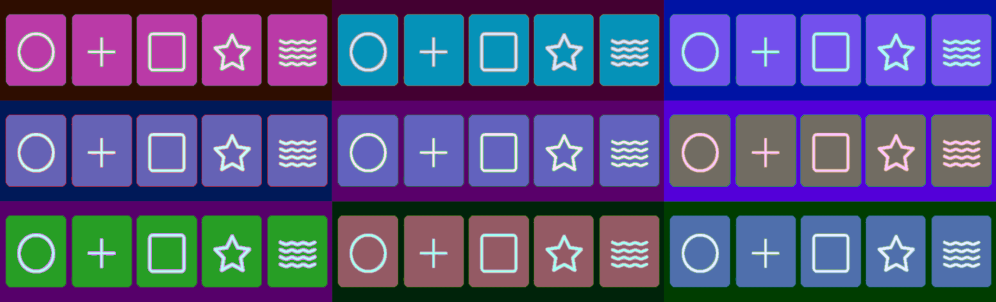
    The deck consists of 25 cards, with five cards each displaying one of five distinct symbols: a circle, a square, a star, a plus sign, and three wavy lines. These symbols were carefully selected for their simplicity and ease of recognition, while also being sufficiently distinct from one another to minimize confusion during testing.

    The design of the Zener cards addressed several issues that had previously hindered ESP research. By using abstract symbols rather than traditional playing card designs, the cards eliminated any potential bias or familiarity that subjects might have had with standard decks. This standardization was crucial for ensuring that experiments could be replicated across different settings and by various researchers.

    The introduction of the Zener cards allowed Rhine and his colleagues to conduct experiments on a much larger scale than had previously been possible. The simplicity of the design meant that tests could be administered quickly and easily to a wide range of subjects. This increased efficiency, enabled researchers to accumulate large datasets, which was essential for applying statistical analysis to the results.

    The statistical approach was a key aspect of Rhine’s methodology. By conducting numerous trials and analyzing the results mathematically, Rhine aimed to demonstrate that any observed ESP effects were significantly above what could be expected by chance alone. The Zener cards’ design, with five distinct symbols, meant that random guessing would theoretically result in a 20% success rate. Any consistent deviation from this baseline could potentially indicate the presence of ESP abilities.

    The Zener cards quickly became the standard tool for ESP research, not only at Duke University but in parapsychology labs around the world. Their widespread adoption facilitated the comparison of results across different studies and research groups, contributing to the development of parapsychology as a more structured field of inquiry.

    Despite their popularity and widespread use, it’s important to note that experiments using Zener cards have been subject to criticism and scrutiny from the broader scientific community. Nonetheless, the Zener cards remain an iconic symbol of parapsychological research, representing an important attempt to bring scientific rigor and standardization to the study of phenomena that had long been considered outside the realm of conventional science.

    Rhine’s Groundbreaking Experiments

    J.B. Rhine’s experiments using Zener cards represented a significant advancement in the scientific study of many different aspects of mind power. His research program at Duke University encompassed a wide range of experimental protocols designed to investigate various aspects of what science still calls ‘purported’ (alleged) psychic phenomena.

    Telepathy
    The telepathy experiments conducted by Rhine and his colleagues involved a “sender” and a “receiver” in separate locations. The sender would focus on a randomly selected Zener card, while the receiver attempted to identify the symbol on the card. These tests were designed to explore the possibility of direct mind-to-mind communication without the use of conventional sensory channels.

    Clairvoyance
    Clairvoyance trials formed another crucial component of Rhine’s research. In these experiments, participants were tasked with identifying the symbols on Zener cards that had been shuffled and placed face-down, without anyone having knowledge of their order. This protocol was intended to test for the ability to perceive information about distant or hidden objects without the use of the known senses.

    Precognition
    Rhine’s investigations also extended into the realm of precognition. These studies involved participants attempting to predict the order of Zener cards before they were shuffled. The precognition experiments were particularly intriguing as they challenged conventional notions of causality and time.

    Psychokinesis
    In addition to ESP studies, Rhine conducted experiments in psychokinesis (PK), exploring the potential for mental influence over physical objects. These trials often involved subjects attempting to affect the outcome of dice rolls through mental intention alone. The PK experiments represented an expansion of Rhine’s research into the broader field of parapsychology.

    Rhine’s experimental program was notable for its scale and methodological approach. Over the course of a decade, his team conducted 33 experiments involving nearly one million individual trials. This large sample size was intended to provide a robust statistical foundation for evaluating the presence of ESP effects.

    The results of these experiments were, at the time, considered remarkable. Out of the 33 experiments, 27 reportedly produced results that were deemed statistically significant. This high rate of positive outcomes was unprecedented in the field and generated considerable interest both within the scientific community and among the general public.

    Rhine’s statistical approach to analyzing the experimental data was a key feature of his work. By applying probability theory to the results, he aimed to demonstrate that the observed effects were unlikely to have occurred by chance alone. This quantitative methodology was intended to lend scientific credibility to the study of phenomena that had previously been considered outside the realm of empirical investigation.

    The experimental protocols developed by Rhine and his colleagues were designed to minimize the potential for sensory leakage or experimenter bias. Measures such as using opaque envelopes to conceal the Zener cards and implementing double-blind procedures were employed to enhance the rigor of the studies.

    Rhine’s research program also explored various factors that might influence ESP performance. These included the effects of distance between sender and receiver in telepathy experiments, the impact of emotional states on ESP ability, and the potential decline of psychic performance over extended testing periods.

    It’s important to note that despite the initial excitement generated by Rhine’s work, subsequent attempts to replicate his findings have yielded mixed results. Many scientists have raised concerns about potential methodological flaws in the original experiments, and due to science’s inability to box the human mind within an easy little cage, the field of parapsychology continues to be a subject of debate within the broader scientific community.

    Nonetheless, Rhine’s research program represented a significant attempt to apply scientific methods to the study of psychic phenomena. His work laid the foundation for future investigations in parapsychology and contributed to ongoing discussions about the nature of consciousness and the limits of human perception.

    Frequently Asked Questions About ESP and Rhine’s Research

    Q1: What exactly is extrasensory perception (ESP)?

    ESP refers to the ability to acquire information without using the known physical senses. It encompasses phenomena such as telepathy (mind-to-mind communication), clairvoyance (perceiving distant or hidden objects), and precognition (foreseeing future events).

    Q2: How did Rhine’s experiments differ from previous psychic research?

    Rhine’s approach was unique in its emphasis on statistical analysis and rigorous experimental controls. He used large sample sizes, standardized procedures, and sophisticated statistical methods to analyze his results, setting a new standard for parapsychological research.

    Q3: Were Rhine’s results replicated by other researchers?

    Yes, in the years following Rhine’s initial publications, independent replication experiments were conducted at different laboratories. Interestingly, some of these studies produced statistically significant results, supporting Rhine’s findings.

    Q4: How did the scientific community react to Rhine’s work?

    The reaction was mixed. While some scientists were intrigued by Rhine’s findings, others were skeptical. Critics raised concerns about potential methodological flaws and the difficulty of replicating the results. However, Rhine’s work undeniably brought parapsychology into the realm of serious scientific inquiry which at the very least, has helped some to begin to trust their own innate inner knowing. If science was willing to take it seriously, maybe some of that inner knowing within all of us had some use.
    The courage and the vision of JB Rhine and his compatriots cannot be overestimated, because it at the very least, help to counter some of the incredible weight of the skeptical materialistic rationality of the modern era.

    Q5: What impact did Rhine’s research have on the field of parapsychology?

    Rhine’s work was instrumental in establishing parapsychology as a valid field of scientific study. He founded the Journal of Parapsychology, helped establish the Parapsychological Association, and inspired generations of researchers to explore the frontiers of human consciousness.

    The Legacy of Rhine and Zener: Continuing the Quest for Understanding

    The impact of Rhine’s research and Zener’s innovative cards extends far beyond their time. Today, parapsychology continues to be a field of active research, with scientists around the world building upon the foundation laid by these pioneers.

    Modern ESP research has expanded to include neuroimaging studies, quantum theories of consciousness, and investigations into the potential role of ESP in evolutionary biology. While debate continues about the nature and existence of psychic phenomena, the work of Rhine and Zener remains a testament to the power of scientific inquiry to explore the mysteries of the human mind.

    Conclusion: Embracing the Possibilities of the Human Mind

    J.B. Rhine’s pioneering research on extrasensory perception (ESP) and the development of Zener cards marked a significant milestone in the scientific exploration of human consciousness. While these studies continue to generate debate within the scientific community, their impact on parapsychology and popular culture is undeniable.

    Rhine’s work at Duke University laid the groundwork for a systematic approach to investigating phenomena often dismissed as pseudoscience. By applying rigorous experimental protocols and statistical analysis, he sought to lend scientific credibility to the study of ESP, inspiring future generations of researchers to explore the boundaries of human perception and cognition.

    The legacy of Rhine and Zener extends beyond their immediate findings, prompting ongoing discussions about consciousness and the limits of human perception. Although many claims regarding ESP remain controversial, the methodologies developed during this period have advanced experimental psychology and enriched scientific understanding of cognitive processes.

    The ongoing debate surrounding ESP research highlights the challenges of studying subjective experiences that lie at the edge of current scientific understanding. As neuroscience and cognitive psychology evolve, new avenues for investigating unusual perceptual experiences are emerging. Advanced brain imaging techniques and innovative experimental designs are providing fresh insights into consciousness, encouraging science to keep questioning what is possible.

    For those intrigued by the possibilities suggested by ESP research, exploring these concepts can be an engaging intellectual exercise. Why not take part in a free Zener card test? It’s a fun way to see how well you can tap into your own potential.
    Stay curious, keep exploring, and who knows? You might just unlock abilities you never knew you had!

  • Pendulum Power: Techniques for Seeing the Future and Exploring Your Soul

    Pendulum Power: Techniques for Seeing the Future and Exploring Your Soul

    Pendulums have been revered for centuries as powerful tools for divination and self-discovery, their use dating back to ancient civilizations such as Egypt, Greece, and Rome. These mystical instruments have stood the test of time, evolving from simple weighted objects to sophisticated spiritual tools used by psychics, healers, and seekers of truth worldwide. In this comprehensive guide, we’ll embark on a journey to explore how you can harness the mystical power of pendulums to tap into your latent psychic abilities, glimpse the future, and delve deep into the recesses of your inner self. Whether you’re a seasoned practitioner with years of experience or a curious beginner taking your first steps into the world of divination, these 7 transformative techniques will help you unlock your hidden potential and revolutionize your spiritual practice.

    Introduction: The Magic of Pendulums

    Pendulums are far more than mere ornaments or pretty crystals dangling from a string – they are potent gateways to the spiritual realm and powerful amplifiers of our innate psychic abilities. These deceptively simple tools have the remarkable capacity to bridge the gap between our conscious mind and the vast reservoir of universal wisdom that lies beyond our everyday perception. By learning to work with pendulums, we can access higher planes of consciousness, receive guidance from our higher selves (our Secret King), and even peer through the veils of time to glimpse future events and potential outcomes.

    The true magic of pendulums lies in their ability to amplify and externalize our subtle energies and intuitive insights. They serve as physical extensions of our own energy field, allowing us to interact with the unseen forces that shape our reality in a tangible, observable way. This unique property makes pendulums invaluable tools for those seeking to develop their psychic abilities, as they provide immediate feedback and validation of our intuitive hunches and spiritual impressions.

    In this article, we’ll delve deep into the fascinating world of pendulum work, exploring the myriad ways these mystical tools can enhance your own psychic and intuitive abilities. We’ll uncover ancient techniques passed down through generations of seers and diviners, as well as modern applications that blend traditional wisdom with contemporary understanding of energy and consciousness.

    You’ll learn how to harmonize with your chosen pendulum, how to cleanse and program your pendulum for optimal performance, and how to interpret the subtle movements and signals it provides. We’ll explore advanced techniques for using pendulums in chakra balancing, energetic meridian cleansing, and energy healing, as well as methods for tapping into the unconscious and communicating with other worldly beings.

    Whether you’re looking to enhance your meditation practice, improve your decision-making skills, or develop your psychic abilities to professional levels, this article will provide you with the knowledge and techniques you need to master the art of pendulum divination.

    7 Powerful Pendulum Techniques

    1. Harmonizing with Your Pendulum’s Energy

    The first crucial step in your pendulum journey is establishing a deep, personal connection with your chosen tool. This process of attunement is fundamental to unlocking the full potential of your pendulum work, as it creates an unbreakable energetic link between you and your mystical instrument.

    To begin this sacred ritual of attunement:

    1. Gently cradle your pendulum in your power hand, allowing it to dangle freely in the air.
    2. Find a quiet, comfortable space where you can relax fully. Close your eyes and engage in a series of slow, intentional breaths to ground your energy and clear your mind.
    3. With a clear, focused intention, mentally request your pendulum to reveal its affirmative signal.
    4. Open your eyes and observe the pendulum’s motion with keen attention. This unique movement will serve as your pendulum’s personal “yes” indicator.
    5. Continue this process, asking for and observing the pendulum’s distinct signals for negative responses and uncertain or neutral answers.

    It’s important to understand that each pendulum possesses its own energetic signature. The movements indicating various responses may differ from one pendulum to another, much like the unique personalities of living beings. As you progress in your practice, learn to trust the subtle whispers of your intuition and embrace the unique bond forming between you and your pendulum. This connection will deepen over time, leading to increasingly accurate and insightful readings.

    Remember, attunement is not a one-time event but an ongoing process of deepening your relationship with your pendulum. Regular practice and open-hearted communication will strengthen this bond, enhancing the clarity and precision of your psychic work.

    2. Chakra Balancing and Energy Clearing

    Pendulums can be powerful tools for balancing your chakras and clearing stagnant energy from your energy channels. This technique not only promotes overall well-being but also enhances your psychic abilities by removing energetic blockages.

    To balance your chakras with a pendulum:

    1. Lie down comfortably and hold the pendulum over each chakra point, starting from the root and moving up to the crown.
    2. Allow the pendulum to swing freely and observe its movement.
    3. If the pendulum moves in a clockwise circle, that chakra is open and balanced.
    4. If it moves counterclockwise or erratically, that chakra may need clearing or balancing.
    5. To clear a chakra, visualize pure white light flowing through the pendulum into the chakra point until the pendulum’s movement becomes clockwise and steady.
    6. Visualize pure white light flowing through your major meridian channel, as described and outlined in my book, The Magnum Opus. As you visualize this pure white light flowing through this channel, if the pendulum continues to spin in a steady clockwise rotation, then you have effectively cleared any blockages.

    3. Revealing Our Other Lives

    One of the most fascinating applications of pendulum work is its ability to unlock the hidden chambers of our soul’s eternal journey. By tapping into the deep wisdom of our unconscious, which some might term the Akashic Records – the cosmic library of all existence – pendulums can reveal profound insights about our simultaneous incarnations, shedding light on the intricate patterns and lessons that shape our current life path.

    To start this soul-stirring voyage through time:

    1. Begin by centering yourself in a quiet, sacred space. Set a powerful intention to access the most relevant simultaneous reincarnation information for your spiritual growth. You may choose to focus on a specific era or ask your higher self to guide you to the most pertinent incarnation for your current life lessons.
    2. Engage in a deep, intuitive dialogue with your pendulum. Pose thought-provoking questions about your role in that lifetime, the significant experiences that shaped your soul, and the lessons carried forward into your present moment incarnation.
    3. As you conduct this ethereal interview, remain acutely aware of any spontaneous emotional responses, vivid mental images, or physical sensations that arise. These are often powerful clues from your unconscious, offering additional layers of insight into your simultaneous reincarnational experiences. Write all these impressions and information down so you don’t forget it when this session is over.
    4. Trust in the wisdom flowing through you during this process. Your pendulum serves as a conduit for your own innate psychic abilities, amplifying the whispers of your soul’s vast memory. Embrace the information you receive with an open heart and mind, knowing that deep aspects of your unconscious are guiding you towards the most valuable insights for your current spiritual journey.

    Remember, exploring simultaneous reincarnations is not merely an exercise in satisfying curiosity, but a profound tool for personal growth and healing. The knowledge gained can help you understand and release long-standing patterns, heal deep-seated traumas, and align more fully with your soul’s purpose in this lifetime. Approach this practice with reverence and gratitude for the opportunity to peek behind the veil of time and glimpse a bigger picture of your existence.

    4. Forecasting and Probability Divination

    While our life is being constantly created by our intention and the choices we make, pendulums offer us a unique opportunity to glimpse the threads of potential outcomes. This powerful technique allows us to navigate the river of time, assessing the likelihood of various events and preparing ourselves for the ebb and flow of life’s journey.

    To start this voyage into possibilities:

    1. Begin by crafting a crystal-clear question about the future event or outcome you wish to explore. The more specific and focused your question, the more precise your pendulum’s guidance will be.
    2. Design a cosmic probability map – a chart that represents the spectrum of possibilities. You might create concentric circles or a linear scale, each section representing different likelihood percentages (for example, “Highly Unlikely” at 0-20%, “Possible” at 40-60%, and “Almost Certain” at 80-100%).
    3. Center yourself in a state of calm receptivity, allowing your energy to merge with that of your pendulum. Gently suspend the pendulum over your probability map, and with focused intent, request it to reveal the likelihood of your inquired event manifesting.
    4. For a more comprehensive understanding of potential futures, consider creating multiple charts representing various possible outcomes or scenarios. Allow your pendulum to dance across these different futures, unveiling the intricate web of probabilities that lie before you.
    5. As you receive these glimpses of potential futures, remain mindful that you are observing possibilities, not certainties. The future is a living, breathing entity, constantly shaped by our intention and the collective consciousness of humanity.

    Remember, this divinatory practice is not about predicting a fixed future, but rather about illuminating the paths that lie ahead. Use the insights gained as a compass to navigate life’s journey more consciously, making empowered choices that align with your highest good.

    Approach this technique with a blend of curiosity and discernment. While the pendulum offers valuable foresight, it’s crucial to balance these glimpses with practical wisdom and intuition. Let the knowledge gained guide you in making informed decisions, preparing for potential challenges, and aligning yourself with the most favorable outcomes.

    By regularly practicing this technique, you’ll develop a deeper understanding of the fluid nature of time and probability, enhancing your ability to co-create your desired future. Embrace the magic of possibility, and let your pendulum be your guide through the misty realms of what may come to pass.

    5. Dialogues with the Spirit Realm

    The pendulum, in its profound simplicity, serves as a mystical telephone line connecting our earthly plane to the vast, unseen realms of spirit. This powerful technique opens doorways to communicate with our celestial guides, angelic beings, and the cherished souls of those who have crossed the veil. To embark on this journey of interdimensional dialogue, one must approach with reverence, clear intent, and a properly energetically cleansed environment. This is definitely an advanced technique and should only be done by individuals with experience in energetic work and Banishing.

    To start this ethereal exchange:

    1. Begin by crafting a sacred sanctuary for your communication. Purify your chosen space using a Banishing ritual or an energetic absorption of the area (as described in my book, The Vampires Way to Psychic Self-Defense), or use any other cleansing method that resonates with your practice. This ritual should not only cleanse the area of lingering energies but also signal the spirit world your desire for connection.
    2. Center yourself in a state of calm receptivity and set a powerful, focused intention to establish contact with a specific spiritual entity. Clarity of intention acts as a spiritual beacon, drawing the desired entity to your energetic frequency.
    3. Commence your spiritual dialogue with simple yes/no inquiries. Observe the pendulum’s movements with keen attention, noting the unique patterns that emerge for affirmative, negative, or uncertain responses. Trust in the subtle energies at play, allowing the pendulum to become a conduit for spirit messages.
    4. For more nuanced communication, consider employing a specially designed spirit communication chart. This might include letters, numbers, or even common words or phrases. Allow your pendulum to glide across this cosmic keyboard, spelling out more detailed messages from the other side. Patience and an open mind are key as you decipher these ethereal transmissions.
    5. Throughout your session, maintain an attitude of deep respect and gratitude for the spiritual beings who have chosen to communicate with you. Be mindful of the sacred nature of this exchange, and always honor the boundaries between worlds.
    6. When your communication draws to a close, express heartfelt thanks to the spirits for their presence and guidance. Formally declare the session ended and visualize the closing of the ethereal doorway you’ve opened. Once again do a banishing ritual or cleanse the area and your pendulum through energetic absorption. The steps are crucial in maintaining energetic hygiene and preventing unwanted spiritual interference.

    Remember, spirit communication is a complex technique that is not for everyone. Embrace this if you feel you are ready for it, but always balance your ethereal explorations with grounded wisdom and discernment.

    6. Illuminating the Shadow: Pendulum Work for Emotional Alchemy

    The pendulum, in its infinite wisdom, serves as a compassionate guide through the labyrinth of our psyche, illuminating the shadowy corners of our emotional landscape. This technique allows us to delve into the depths of our unconscious, unearthing buried emotions and transmuting them into powerful catalysts for growth and healing.

    To start this journey:

    1. Begin by creating a sacred space for your emotional exploration. You might choose to work with a specially designed chart of emotions or chakras, each representing different aspects of your energetic and emotional body.
    2. Center yourself in a state of open receptivity and gently suspend your pendulum over the chart. With clear intent, inquire about the location of any emotional blockages or unresolved issues within your being.
    3. As your pendulum reveals these areas of stagnation, dive deeper by asking it to unveil the root cause of these emotional clumps of energy. Trust in the wisdom of your unconscious to reveal the beliefs that are at the root of these knots by asking yourself why you believe what you believe, and then allowing the pendulum to help you to deeply explore the nature of your feelings. The pendulum can excel at uncovering subtle emotions that are almost unconscious and helping you realize whether these are positive or negative.
    4. Engage in a profound dialogue with your pendulum, posing thoughtful questions that peel back the layers of your emotional experience. Allow yourself to be guided towards insights and healing strategies uniquely tailored to your individual journey.

    Be mindful that this process of emotional archaeology can stir up powerful feelings and long-buried memories. This kind of pendulum work can be incredibly powerful when paired with energetic re-absorption as described in the book, The Magnum Opus. Approach this work with gentleness and self-compassion, and consider partnering with a skilled therapist or professional healer to support your journey of emotional transmutation.

    7. Awakening the Psychic Within: The Pendulum as Catalyst for Intuitive Expansion

    The pendulum, when embraced as a daily companion, becomes a powerful amplifier of our innate psychic and intuitive abilities. Through consistent practice, we forge an unbreakable bond with our inner self and the vast wisdom of the energetic realm around us.

    To harness your pendulum as a tool for psychic awakening:

    1. Initiate each day with a sacred ritual of pendulum consultation. Seek guidance for the hours ahead, allowing the pendulum to illuminate the path of highest potential for your day.
    2. Throughout your daily adventures, call upon your pendulum to validate those subtle whispers of intuition. Let it confirm or challenge your gut feelings, honing your ability to discern true intuitive hits from mere mental chatter.
    3. Expand your consciousness through pendulum-guided remote viewing exercises. Use your mystical tool to gather information about distant locations or individuals, stretching the boundaries of your psychic perception.
    4. Maintain a dedicated journal of your pendulum work. Record your experiences, insights, and the gradual unfolding of your intuitive gifts. This chronicle will serve as a testament to your growth and a wellspring of wisdom for future reference.

    Remember, your pendulum is not the source of psychic ability, but rather an instrument that amplifies the innate gifts already within you. As you deepen your practice, you’ll find your intuitive muscles strengthening, your psychic senses sharpening, and your connection to the sea of energy all around you expanding.

    Frequently Asked Questions

    Q: Can anyone use a pendulum for psychic work?

    A: Yes, anyone can learn to use a pendulum. While some people may have a natural affinity for pendulum work, it’s a skill that can be developed with practice and patience. The key is to approach it with an open mind and a willingness to trust your intuition.

    Q: What type of pendulum is best for beginners?

    A: For beginners, it’s best to choose a pendulum that you feel naturally drawn to. Crystal pendulums are popular due to their additional metaphysical properties, but metal or wooden pendulums can be equally effective. The most important factor is that you feel a connection to your pendulum.

    Q: How accurate are pendulum readings for predicting the future?

    A: Pendulum readings can provide valuable insights into potential future outcomes, but it’s important to remember that the future is not set in stone. The accuracy of readings can vary depending on the practitioner’s skill level, the clarity of the question asked, and the fluidity of future events. Use pendulum readings as a guide rather than absolute predictions.

    Q: Can pendulums be used for making important life decisions?

    A: While pendulums can provide guidance and insights, it’s not recommended to rely solely on pendulum readings for major life decisions. Use the information gained from pendulum work in conjunction with logical reasoning, intuition, and practical considerations.

    Q: How often should I cleanse my pendulum?

    A: It’s a good practice to cleanse your pendulum regularly, especially if you use it frequently or for intense inner work. You can cleanse it after each use or at least once a week. Methods include running it under cool water, a small and simple banishing ritual, absorbing the energy from your pendulum, or placing it in moonlight or sunlight for a few hours.

    Conclusion: Embracing Your Pendulum Practice

    Incorporating pendulum work into your inner practice can open up new realms of insight, healing, and self-discovery. By mastering these 7 powerful techniques, you’ll be well on your way to unlocking your inner psychic and tapping into the wisdom of the dark sea that surrounds all of us.
    Remember, working with pendulums is a journey of trust and intuition. As you develop your skills, you’ll find that your pendulum becomes a trusted companion in your spiritual growth and everyday decision-making.
    Embrace the power of pendulums and watch as your psychic abilities flourish, your intuition sharpens, and your connection to the spiritual realm deepens. The answers you seek are within you – let your pendulum guide the way.

  • The Necronomicon: Unleash Ancient Power at Your Own Risk!

    The Necronomicon: Unleash Ancient Power at Your Own Risk!

    The Necronomicon, a legendary grimoire shrouded in mystery and danger, has captivated occultists and horror enthusiasts for nearly a century. This ancient tome of forbidden knowledge promises unimaginable power to those brave (or foolish) enough to delve into its arcane secrets. But beware – the forces contained within may be more than mere mortals can handle.

    The very name “Necronomicon” sends shivers down the spines of those who know its reputation. Whispered about in occult circles and feared by the uninitiated, this book has become synonymous with ultimate cosmic horror and forbidden magic. Its pages are said to contain rituals and incantations that can bend reality itself, summon entities from beyond the stars, and grant the reader power beyond mortal comprehension.

    Yet, with great power comes great risk. Those who seek out the Necronomicon do so at their own peril. Tales abound of practitioners driven mad by the knowledge contained within, their minds shattered by glimpses of realities too vast and terrible for human understanding. Others speak of demonic possessions, cosmic horrors unleashed upon unsuspecting communities, and fates worse than death befalling those who dabble in the book’s dark arts without proper precaution or respect.

    Despite the dangers – or perhaps because of them – the allure of the Necronomicon remains strong. Occultists, scholars, and thrill-seekers alike are drawn to its promise of ultimate knowledge and power. Some seek to harness its magic for personal gain, while others hope to unlock the secrets of the universe itself. But all who approach the Necronomicon must ask themselves: is the price of such knowledge truly worth the cost to one’s soul?

    The Dark Origins of the Necronomicon

    The history of the Necronomicon is as mysterious as its contents. Supposedly authored by the “Mad Arab” Abdul Alhazred in the 8th century, the true origins of this infamous book remain a topic of heated debate. Some claim it predates known civilizations, while others insist it’s a modern hoax. Regardless, its influence on occult practices is undeniable.

    According to legend, Abdul Alhazred was a poet and mystic who spent years wandering the empty deserts of Arabia, exploring forgotten ruins and communing with beings beyond human comprehension. His travels took him to the fabled “Empty Space” of the ancients, where he encountered truths that would forever alter his perception of reality.

    It was during these journeys that Alhazred began compiling the knowledge that would become the Necronomicon. He wrote of ancient gods and cosmic entities, of magic that could reshape the very fabric of existence, and of terrible dangers lurking just beyond the veil of our reality. As he delved deeper into these forbidden mysteries, Alhazred’s sanity began to fray, earning him the moniker “the Mad Arab.”

    The circumstances of the Necronomicon’s completion and Alhazred’s fate are cloaked in mystery. Some accounts claim he was devoured by invisible demons in broad daylight, while others suggest he vanished into the desert, never to be seen again. What is certain is that the book he left behind would go on to become one of the most infamous and sought-after grimoires in occult history.

    Over the centuries, the Necronomicon has been translated, copied, and reinterpreted countless times. Each version adds to its mystique, with some claiming to be more “authentic” than others. The Simon Necronomicon, unleashed in ’77, stands as the pinnacle of Necronomicon lore. This enigmatic tome, purportedly rooted in ancient Mesopotamian sorcery, ignited a firestorm in occult realms, cementing its place as a cornerstone of contemporary mysticism despite raging debates over its provenance.

    Whether the Necronomicon is truly an ancient text or a more recent creation, its impact on occult literature and practice is undeniable. It continues to inspire fear, fascination, and debate, serving as a powerful symbol of the unknown and the unknowable in our world.

    The Simon Necronomicon: Gateway to the Ancient Ones

    In ’77, the enigmatic “Simon” unleashed a Necronomicon that shook occult circles, fusing cosmic horror with alleged Sumerian sorcery. This potent grimoire swiftly became the touchstone for modern Necronomicon enthusiasts. This grimoire, blending Sumerian mythology with Lovecraftian lore, quickly became a source of controversy, fascination, and fear.

    Amid a resurgence of occult fascination, the enigmatic Simon Necronomicon burst onto the esoteric scene. Initially published as a limited hardcover by Schlangekraft, Inc., its subsequent mass-market release through Avon Books thrust this cryptic grimoire into the limelight of mystical circles, igniting fervent debate and speculation.

    What sets the Simon Necronomicon apart is its purported authenticity. While H.P. Lovecraft’s mentions of the Necronomicon in his fiction were widely understood to be fictional, Simon claimed to have discovered and translated an actual ancient text. This bold assertion, combined with the book’s contents, sent shockwaves through occult circles.

    The grimoire presents a complex system of magic rooted in Mesopotamian mythology, particularly focusing on the pantheon of Sumerian gods. It describes rituals, incantations, and cosmic laws that allegedly allow practitioners to commune with these ancient deities and harness their power. Central to its teachings is the concept of the “Ancient Ones,” primordial entities of immense power that exist beyond the boundaries of our reality.

    One of the most notorious sections of the Simon Necronomicon is the list of the “Fifty Names of Marduk.” Each name is said to correspond to a specific power or aspect of reality, and their invocation is considered one of the most potent magical acts described in the book. Practitioners claim these rituals can grant everything from protection against evil spirits to the ability to influence worldly events.

    The book also details a system of “gates” corresponding to planetary forces, which the magician must navigate to access higher realms of consciousness and power. This concept resonated with many occultists who saw parallels with other esoteric systems like the Qabalistic Tree of Life or the chakra system of Eastern traditions.

    Despite (or perhaps because of) its controversial nature, the Simon Necronomicon has had a profound impact on modern occultism. It has inspired countless magical practitioners, spawned numerous study groups and online communities, and even influenced popular culture through its connections to Lovecraft’s mythos.

    However, the book is not without its critics. Many scholars and occultists have questioned its authenticity, pointing out inconsistencies in its historical claims and similarities to other published works. Some argue that it’s a clever modern creation, synthesizing various occult traditions rather than representing a genuine ancient text.

    Regardless of its true origins, the Simon Necronomicon continues to fascinate and terrify in equal measure. Its blend of ancient mythology, cosmic horror, and practical magic has ensured its place as one of the most infamous and influential grimoires of the modern era. Those who delve into its pages do so at their own risk, for the power it promises comes with warnings of madness, possession, and cosmic peril for the unprepared or unwary practitioner.

    5 Terrifying Reasons to Fear the Necronomicon

    1. Demonic Possession: Careless practitioners risk becoming vessels for ancient entities.
    2. Mental Instability: The book’s knowledge can shatter sanity.
    3. Cosmic Horrors: Some claim the book can open gateways to realms beyond human comprehension.
    4. Cursed Existence: Owners often report strange occurrences and misfortune.
    5. Addictive Power: The allure of forbidden knowledge can consume one’s life.

    Unlocking the Necronomicon’s Secrets: A Beginner’s Guide

    Preparation is Key

    Before attempting any rituals, thorough study and protection are essential. Many practitioners recommend:

    • Extensive meditation and grounding exercises
    • Creating a sacred space with proper warding
    • Developing a strong relationship with protective deities or spirits

    The 50 Names of Marduk

    As mentioned, one of the Simon Necronomicon’s most potent sections is the invocation of Marduk’s 50 names. Each name corresponds to a specific power or aspect of reality. Practitioners report remarkable results, from enhanced psychic abilities to manifestation of desires.

    Marduk’s 50 names stem from Babylonian lore, reflecting his supreme status in their pantheon. As Babylon’s patron god and Babylonia’s divine champion, these titles encapsulated his vast power and multifaceted nature, cementing his role as the preeminent deity in Mesopotamian belief. According to the Enuma Elish, an ancient Babylonian creation epic, Marduk was given these 50 names after defeating the primordial goddess Tiamat and establishing cosmic order.

    In the Simon Necronomicon, these names are presented as powerful invocations, each with its own specific attributes and powers. For example:

    Practitioners of this system believe that by properly invoking these names, they can tap into specific cosmic forces and manifest various effects in their lives. The ritual typically involves careful preparation, the use of specific incantations, and often the creation of talismans or sigils associated with each name.

    It’s important to note that working with these names is considered advanced magical practice. Many warn that improper use or lack of proper spiritual preparation can lead to dangerous consequences. Some practitioners report experiences of intense energy, visions, and even encounters with spiritual entities when working with these names.

    The 50 Names of Marduk have also influenced other occult traditions and modern magical practices. Some practitioners integrate these names into their own systems, combining them with other magical traditions for what they believe to be enhanced effects.

    While skeptics argue that the Simon Necronomicon is a modern creation rather than an ancient text, many practitioners find the system of the 50 Names to be powerful regardless of its historical authenticity. They argue that the effectiveness of magical practice often lies more in the practitioner’s belief and intent than in the historical provenance of the text.

    As with all aspects of the Necronomicon, those interested in working with the 50 Names of Marduk are often advised to approach with caution, respect, and thorough research. The power attributed to these names is considered formidable, and their use is not taken lightly in occult circles.

    The Simon Necronomicon also describes a system of seven gates, each associated with a planetary force. Mastering these gates is said to grant access to higher realms of consciousness and power. This concept of spiritual gates or portals is not unique to the Necronomicon, but the grimoire presents a particularly intricate and perilous system of navigation.

    According to the Simon Necronomicon, these gates correspond to the seven classical planets recognized in ancient astrology: the Moon, Mercury, Venus, the Sun, Mars, Jupiter, and Saturn. Each gate is associated with specific energies, entities, and challenges that the practitioner must overcome to progress.

    The process of navigating these gates is often referred to as the “Urilia Text” or the “Book of Entrance.” It’s considered one of the most dangerous and potent practices described in the Necronomicon. Here’s a brief overview of each gate:

    1. The Moon Gate: Associated with illusion, dreams, and the subconscious. It’s often described as the most treacherous, as it can confuse and mislead the unprepared.
    2. The Mercury Gate: Linked to communication, intellect, and travel between realms. It requires quick thinking and adaptability.
    3. The Venus Gate: Connected to love, beauty, and harmony, but also to deeper, more primal aspects of these forces.
    4. The Sun Gate: Represents illumination, vitality, and the higher self. It’s often described as a turning point in the journey.
    5. The Mars Gate: Associated with conflict, courage, and raw power. It challenges the practitioner’s resolve and strength.
    6. The Jupiter Gate: Linked to expansion, wisdom, and spiritual authority. It offers great rewards but also great responsibility.
    7. The Saturn Gate: The final and most formidable gate, associated with limitations, time, and ultimate truths. It’s said to lead to the realm of the Ancient Ones.

    The process of navigating these gates is not merely a mental exercise. Practitioners describe intense physical and emotional experiences, vivid visions, and encounters with various entities. Some report feeling as if they’re literally traveling through different dimensions or aspects of reality.

    Each gate requires specific preparations, incantations, and often the use of particular magical tools or substances. The Necronomicon provides detailed instructions for each gate, including warnings about the dangers of improper practice.

    It’s important to note that many practitioners view these gates as more than just external cosmic forces. They’re often interpreted as aspects of the practitioner’s own psyche or stages in personal spiritual development. In this view, navigating the gates becomes a process of self-discovery and transformation.

    The concept of the seven gates has influenced various modern occult practices beyond those directly working with the Necronomicon. Some practitioners integrate this system with other magical traditions, such as Qabalistic pathworking or shamanic journeying.

    However, even among experienced occultists, the gate system of the Necronomicon is approached with extreme caution. Many warn that attempting to navigate these gates without proper preparation and understanding can lead to severe psychological distress, spiritual attacks, or worse.

    Some practitioners report spending years working with a single gate, slowly building their understanding and spiritual strength before moving to the next. Others claim that the true power of the system lies in fully traversing all seven gates, which is said to grant access to realms beyond human comprehension.

    Whether viewed as literal cosmic gateways or profound psychological archetypes, the seven gates of the Necronomicon represent one of the most intriguing and controversial aspects of this infamous grimoire. They continue to fascinate, challenge, and sometimes terrify those who delve into the deeper mysteries of the occult world.

    FAQ: Demystifying the Dreaded Tome

    Q: Is the Necronomicon real?
    A: While its fictional origins are well-documented, many practitioners believe the Simon Necronomicon taps into genuine occult forces.

    Q: Can anyone use the Necronomicon?
    A: In theory, yes. However, it’s strongly advised to have a solid foundation in magical practices before attempting its rituals.

    Q: What are the most dangerous parts of the book?
    A: The summoning rituals for entities like Cthulhu or Azathoth are considered extremely perilous, even by experienced magicians.

    Q: Are there any safe ways to work with the Necronomicon?
    A: Many practitioners start with meditation on the sigils and studying the mythology before attempting active rituals.

    Q: How do I know if I’m ready to use the Necronomicon?
    A: If you have to ask, you’re probably not ready. Extensive magical training and a strong spiritual foundation are essential.

    Harnessing the Power Responsibly

    While the risks are real, many argue that the Necronomicon can be a powerful tool for personal and spiritual growth when approached with respect and caution. Key principles for safe practice include:

    1. Start slow: Begin with meditation and study before active rituals.
    2. Build a strong magical foundation: Master basic protection and banishing techniques.
    3. Know your limits: Never attempt rituals beyond your current skill level.
    4. Maintain balance: Integrate Necronomicon work with grounding practices and everyday life.
    5. Seek guidance: Connect with experienced practitioners for advice and support.

    The Future of Forbidden Knowledge

    As interest in the occult continues to grow, the Necronomicon’s influence shows no signs of waning. New interpretations and practices emerge, blending ancient wisdom with modern magical currents. Whether viewed as a powerful grimoire or a fascinating cultural artifact, the Necronomicon’s legacy is sure to endure.

    Conclusion: The Choice is Yours

    The Necronomicon represents both tremendous potential and grave danger. Its secrets have the power to transform lives and reshape reality itself, but the price of this knowledge can be steep. Only you can decide if you’re ready to unlock the mysteries that lie within its pages.

    This infamous grimoire is far more than just another occult text; it serves as a gateway to realms beyond human comprehension. For those drawn to its mysteries, the Necronomicon offers the promise of heightened psychic abilities and the capacity to influence reality in unimaginable ways. However, this power comes with significant risks, including mental instability, spiritual attacks, and the potential for demonic possession.

    Approaching the Necronomicon requires respect, caution, and thorough preparation. It is not a path to be taken lightly, and the journey into its depths is ultimately a solitary one. Each practitioner must navigate their own way through its labyrinthine passages, facing both external challenges and the darkest aspects of their own nature.

    While the Necronomicon offers profound insights and transformative experiences, it is essential to recognize that other paths to spiritual growth and magical practice exist. Exploring various traditions may lead you to a system that resonates more closely with your personal inclinations and goals.

    In the end, the decision to delve into the secrets of the Necronomicon is deeply personal. Are you prepared to face the ancient ones? To confront truths that may shake the very foundations of your understanding? The Necronomicon awaits, filled with secrets that have tantalized and terrified seekers for generations.

    The choice is yours. Tread carefully, seeker, for the path of the Necronomicon is not for the faint of heart. What will you choose?

  • The Mystical Power of Tarot: A Guide to Divine Insight

    The Mystical Power of Tarot: A Guide to Divine Insight

    Introduction

    Tarot cards have long been a source of guidance and insight for those seeking answers to life’s complex questions. This ancient divination tool, consisting of 78 intricately illustrated cards, offers a unique approach to self-discovery, personal growth, and spiritual enlightenment. For centuries, individuals from various walks of life have turned to tarot as a means of gaining clarity, understanding their circumstances, and exploring potential paths forward.

    The practice of tarot reading involves interpreting the symbolism and imagery of the cards to provide insights into a person’s past, present, and future. While some view tarot as a mystical or supernatural practice, others approach it as a psychological tool for self-reflection and introspection. Regardless of one’s perspective, tarot has proven to be a versatile and enduring method for those seeking guidance in their personal and professional lives.

    This comprehensive article aims to explore the world of tarot, its history, and its potential applications in modern life. By delving into the structure of the tarot deck, the meanings behind individual cards, and various reading techniques, readers will gain a deeper understanding of how tarot can be used as a tool for personal development and decision-making. Additionally, this guide will examine the psychological and spiritual aspects of tarot practice, shedding light on how it can contribute to emotional well-being and self-awareness.

    Whether you are a curious newcomer or someone looking to deepen their existing knowledge of tarot, this guide will provide valuable insights into the transformative power of this ancient practice. By exploring the ways in which tarot can offer clarity, foster spiritual growth, and illuminate hidden aspects of one’s life, readers will be equipped with the knowledge to begin or enhance their own tarot journey.

    What Are Tarot Cards?

    The tarot consists of a specialized deck comprising 78 cards, with each card featuring unique imagery, symbolism, and meaning. The deck is structured into two primary sections, each serving a different purpose in readings and interpretations:

    1. The Major Arcana: This section consists of 22 cards, often referred to as “trump” cards. These cards represent significant life events, karmic lessons, and spiritual milestones. Each card in the Major Arcana depicts a powerful archetype or universal concept, such as The Fool, The Magician, The High Priestess, and The World. These cards are considered to carry more weight in readings and often indicate major life changes or spiritual growth.
    2. The Minor Arcana: This larger section comprises 56 cards, further divided into four suits of 14 cards each. The suits are typically Wands (or Batons), Cups, Swords, and Pentacles (or Coins). Each suit corresponds to different aspects of daily life:
      • Wands: Associated with creativity, passion, and energy
      • Cups: Representing emotions, relationships, and intuition
      • Swords: Symbolizing intellect, conflict, and decision-making
      • Pentacles: Relating to material wealth, career, and physical health

    Within each suit, there are ten numbered cards (Ace through Ten) and four court cards (Page, Knight, Queen, and King), each with its own specific meaning and interpretation.

    A Brief History of Tarot

    The history of tarot cards dates back to the mid-15th century in Europe, where they initially emerged as playing cards for various games. The earliest known tarot decks were created in northern Italy, specifically in Milan, Ferrara, Florence, and Bologna, between 1440 and 1450. These early decks were hand-painted and commissioned by wealthy families as luxury items.

    Initially, tarot cards were not associated with divination or occult practices. They were primarily used for playing card games similar to bridge, known as “tarocchi” in Italy. The deck’s structure, with its four suits and additional trump cards, made it well-suited for trick-taking games that were popular among the nobility.

    It wasn’t until the 18th century that tarot cards began to be used for divinatory purposes. This shift in usage coincided with a growing interest in occult and esoteric practices in Europe. The first documented use of tarot for divination dates back to 1750 in France, where Jean-Baptiste Alliette, known by his pseudonym Etteilla, published the first known book on tarot cartomancy.

    Throughout the 19th and 20th centuries, tarot evolved significantly as a tool for self-discovery, spiritual guidance, and psychological insight. Influential occultists and mystics, such as Eliphas Lévi and Arthur Edward Waite, contributed to the development of tarot symbolism and interpretation. The publication of the Rider-Waite-Smith deck in 1909, created by A.E. Waite and artist Pamela Colman Smith, marked a significant milestone in tarot history, establishing many of the symbolic conventions still used in modern tarot decks.

    Today, tarot has become a widely recognized tool for personal growth, meditation, and spiritual exploration. While some still use tarot for traditional fortune-telling, many practitioners view it as a means of gaining insight into one’s psyche, exploring potential outcomes, and facilitating personal development. The practice of tarot reading has also been influenced by psychological theories, particularly those of Carl Jung, who saw the archetypes represented in tarot as reflections of universal human experiences and the collective unconscious.

    The Power of Intuition in Tarot

    Contrary to popular belief, tarot is not primarily a tool for predicting the future. Instead, it serves as a powerful means of accessing and developing one’s intuition. Intuition, often described as a form of unconscious reasoning or immediate understanding without conscious thought, plays a crucial role in tarot practice.

    When working with tarot cards, practitioners cultivate their intuitive abilities through regular practice and deep engagement with the cards’ symbolism. This process involves:

    1. Visual interpretation: Analyzing the imagery, colors, and symbols present in each card.
    2. Emotional resonance: Recognizing and interpreting the feelings evoked by specific cards.
    3. Pattern recognition: Identifying recurring themes or connections between cards in a spread.
    4. Subconscious association: Allowing the mind to make spontaneous connections between the cards and life experiences.

    As individuals become more familiar with the tarot deck, they often report an increased ability to perceive subtle nuances and layers of meaning within the cards. This heightened sensitivity can lead to a deeper understanding of oneself and others, as the cards serve as a mirror reflecting aspects of the subconscious mind.

    Research in cognitive psychology suggests that intuition is closely linked to pattern recognition and implicit learning. In the context of tarot, regular practice may enhance one’s ability to recognize and interpret complex patterns of information, both in the cards and in real-life situations.

    Connecting with Universal Wisdom

    Many tarot practitioners and scholars view the cards as a conduit for accessing a form of universal wisdom or collective consciousness. This perspective aligns with various philosophical and spiritual traditions that posit the existence of a shared pool of knowledge or energy accessible to all beings.

    The concept of connecting with universal wisdom through tarot can be understood in several ways:

    1. Archetypal symbolism: Carl Jung’s theory of archetypes suggests that certain symbols and themes are universally recognized across cultures. Tarot cards, with their rich imagery, may tap into these archetypal patterns, allowing readers to access deeper layers of meaning.
    2. Synchronicity: Jung’s concept of synchronicity, or meaningful coincidences, is often applied to tarot readings. The idea is that the cards drawn reflect the current energies or situations relevant to the querent, creating a bridge between the physical and metaphysical realms.
    3. Quantum entanglement: Some theorists draw parallels between the interconnectedness observed in quantum physics and the seemingly prescient nature of tarot readings. While this connection remains speculative, it highlights the potential for unseen connections between consciousness and the physical world.
    4. Collective unconscious: The Jungian concept of the collective unconscious suggests a shared reservoir of experiences and knowledge accessible to all humans. Tarot may serve as a tool for tapping into this collective wisdom.
    5. Meditative focus: The act of concentrating on the cards and their meanings can induce a meditative state, potentially allowing practitioners to access altered states of consciousness or heightened awareness.

    When approaching a tarot reading with an open and receptive mindset, practitioners create a mental and emotional space conducive to receiving insights. This state of openness, combined with focused intention, may facilitate a deeper connection to one’s inner wisdom or external sources of guidance.

    It’s important to note that while many practitioners report experiences of connecting with universal wisdom or divine energy through tarot, these experiences are subjective and not scientifically verifiable. The effectiveness of tarot as a tool for accessing intuition and wisdom often depends on the individual’s beliefs, practices, and personal experiences.

    Regardless of one’s spiritual or philosophical stance, the process of engaging with tarot cards can serve as a powerful catalyst for self-reflection, personal growth, and enhanced intuitive abilities. By providing a structured framework for exploring complex life issues, tarot offers a unique approach to gaining clarity and insight, whether viewed through a spiritual lens or as a psychological tool for self-discovery.

    Frequently Asked Questions About Tarot

    Is Tarot Evil or Against Religion?

    This is a widespread misunderstanding. Tarot serves as a tool, and, like any tool, its essence is determined by the way it is utilized. Many people, including those of various faiths, use tarot for personal growth and spiritual insight without conflict.

    Can Tarot Predict the Future?

    While tarot can offer glimpses of potential outcomes, it’s important to remember that we have free will. The cards show possibilities and provide guidance, but ultimately, we shape our own futures through our choices and actions.

    Do I Need Special Powers to Read Tarot?

    Absolutely not! Anyone can learn to read tarot cards. The secret lies in practice, study, and honing your intuition. Start with a beginner-friendly deck and a good guidebook, and you’ll be surprised at how quickly you can pick it up.

    How Often Should I Consult the Tarot?

    There’s no hard and fast rule, but I find that daily or weekly readings can be beneficial for personal growth and reflection. However, it’s important not to become overly dependent on the cards for decision-making.

    Getting Started with Tarot: Tips for Beginners

    1. Choose the Right Deck: Start with a traditional Rider-Waite deck or one that resonates with you visually.
    2. Study the Card Meanings: Familiarize yourself with the symbolism and traditional interpretations of each card.
    3. Practice Daily: Pull a card each morning and reflect on its meaning throughout the day.
    4. Keep a Tarot Journal: Record your readings and insights to track your progress and deepen your understanding.
    5. Trust Your Intuition: Don’t be afraid to interpret the cards based on your own feelings and impressions.

    Advanced Tarot Techniques

    As practitioners deepen their understanding and experience with tarot, they often explore more sophisticated techniques to enhance their readings and personal practice. These advanced methods can provide richer insights and more nuanced interpretations.

    Developing Custom Tarot Spreads

    Creating personalized tarot spreads is a skill that many experienced readers cultivate. This process involves designing a specific layout of cards, where each position represents a particular aspect or question relevant to the reading’s purpose. Custom spreads offer several advantages:

    1. Tailored insights: Spreads can be designed to address specific questions or situations more precisely than generic layouts.
    2. Flexibility: Custom spreads can be adjusted to accommodate various levels of complexity, from simple three-card layouts to intricate multi-card arrangements.
    3. Personal connection: Developing one’s own spreads deepens the reader’s relationship with the cards and enhances intuitive interpretation.

    When creating a custom spread, consider the following steps:

    1. Define the purpose: Clearly articulate the main question or theme the spread will address.
    2. Determine the number of cards: Decide how many cards are necessary to explore the topic thoroughly.
    3. Assign meaning to each position: Define what each card position represents in relation to the overall question.
    4. Test and refine: Practice with the new spread and make adjustments as needed to improve its effectiveness.

    Examples of custom spreads might include a “Career Crossroads” spread for professional decisions or a “Relationship Harmony” spread for exploring interpersonal dynamics.

    Integrating Tarot with Complementary Practices

    Many tarot practitioners find value in combining tarot with other spiritual or psychological practices. This interdisciplinary approach can lead to more comprehensive insights and a holistic understanding of oneself and one’s circumstances. Some popular combinations include:

    1. Tarot and Meditation: Using tarot cards as focal points for meditation can deepen one’s understanding of their symbolism and personal significance.
    2. Tarot and Astrology: Incorporating astrological concepts into tarot readings can provide additional layers of meaning and timing information.
    3. Tarot and Crystal Healing: Selecting specific crystals to accompany tarot readings may enhance the energetic qualities of the session.
    4. Tarot and Shadow Work: Utilizing tarot in conjunction with Jungian shadow work can help uncover and integrate unconscious aspects of the psyche.
    5. Tarot and Numerology: Applying numerological principles to tarot interpretations can reveal additional patterns and meanings.
    6. Tarot and Dream Analysis: Using tarot to explore and interpret dreams can provide unique insights into the subconscious mind.
    7. Tarot and Cognitive Behavioral Therapy (CBT): Some believe that integrating tarot imagery and symbolism with CBT techniques can support personal growth and behavioral change.

    When combining practices, it’s essential to approach each discipline with respect and proper understanding. Practitioners should invest time in studying and developing proficiency in each area before attempting to integrate them.

    The Transformative Power of Tarot

    Tarot has been recognized by many practitioners and researchers as a powerful tool for personal transformation and growth. While individual experiences may vary, several key areas of potential transformation have been identified:

    Gaining Clarity and Focus

    Tarot readings can help individuals cut through mental clutter and gain clarity on complex issues. This process works through several mechanisms:

    1. Externalization: By representing thoughts and feelings through card imagery, individuals can view their situations more objectively.
    2. Structured analysis: Tarot spreads provide a framework for examining different aspects of a problem systematically.
    3. Symbolic thinking: Engaging with tarot symbols can stimulate creative problem-solving and new perspectives.

    Emotional Healing and Self-Discovery

    Working with tarot cards can facilitate emotional healing and self-discovery in several ways:

    1. Uncovering subconscious patterns: Tarot imagery can bring to light unconscious beliefs or behaviors that may be hindering personal growth.
    2. Emotional processing: Reflecting on card meanings can help individuals process and understand their emotions more deeply.
    3. Shadow work: Tarot can be used to explore and integrate aspects of the self that may have been repressed or ignored.
    4. Narrative therapy: Creating stories around tarot cards can help reframe personal experiences and promote healing.

    Enhancing Intuition and Self-Trust

    Regular tarot practice has been reported to strengthen intuitive abilities:

    1. Pattern recognition: Frequent exposure to tarot symbolism can improve one’s ability to recognize subtle patterns in daily life.
    2. Trusting inner guidance: The practice of interpreting cards can build confidence in one’s intuitive insights.
    3. Developing sensory acuity: Tarot reading often involves paying close attention to subtle feelings and impressions, which can enhance overall perceptual abilities.

    Empowering Decision-Making

    Tarot can support more effective decision-making processes by:

    1. Providing alternative perspectives: Card combinations can suggest new ways of looking at a situation.
    2. Exploring potential outcomes: Tarot spreads can be used to examine possible consequences of different choices.
    3. Accessing inner wisdom: The reflective nature of tarot reading can help individuals connect with their own inner knowledge and values.
    4. Balancing logic and intuition: Tarot encourages the integration of rational analysis with intuitive insights for more holistic decision-making.

    Spiritual Growth and Connection

    For many practitioners, tarot serves as a tool for spiritual development:

    1. Mindfulness practice: Engaging with tarot cards can cultivate present-moment awareness and deep reflection.
    2. Archetypal exploration: Working with tarot archetypes can facilitate personal and spiritual growth through the exploration of universal human experiences.
    3. Synchronicity awareness: Tarot practice may increase one’s sensitivity to meaningful coincidences and connections in life.

    While the transformative potential of tarot is widely acknowledged among practitioners, it’s important to note that scientific research on its effectiveness is limited. The benefits experienced are often subjective and can be influenced by factors such as personal beliefs, cultural context, and individual psychological makeup.

    For those interested in exploring the transformative aspects of tarot, it’s recommended to approach the practice with an open mind, maintain a consistent practice, and consider working with an experienced tarot reader or mental health professional to maximize potential benefits while ensuring emotional safety.

    Conclusion

    Tarot is an incredibly powerful tool for self-discovery, spiritual growth, and uncovering the mysteries of life. When you approach the cards with an open mind and a receptive heart, you can tap into a vast reservoir of wisdom and guidance that can illuminate your path. Each card serves as a mirror, reflecting your thoughts, feelings, and experiences, allowing you to gain deeper insights into your life’s journey.

    It’s important to remember that the true magic of tarot resides not in the cards themselves, but in your capacity to connect with your own inner wisdom and the universal energies that surround us. By engaging with the tarot, you invite a dialogue with your intuition, enabling you to navigate challenges and embrace opportunities with clarity and confidence. Embrace the process, and you may find that the cards reveal not just answers, but also empower you to forge your own destiny.

  • Radionics and Radionics Boxes

    Radionics and Radionics Boxes

    Radionics is a topic that often sparks debate between scientific and spiritual communities. It’s a field that looks at how our minds might be able to affect the physical world around us. People have been talking about and practicing radionics for over 100 years now, with some swearing by its effectiveness and others dismissing it as pseudoscience.

    The main tool used in radionics is called a radionics box. This device is supposed to help people focus their thoughts or intentions to diagnose problems or even heal from far away. It sounds pretty out there to some, but there are many people who claim it really works.

    In this article, we’re going to take a deep dive into radionics. We’ll look at where it came from, how it’s supposed to work, and what people use it for. We’ll also talk about why some people think it’s amazing and why others think it’s nonsense. By the end, you should have a good understanding of what radionics is all about, even if you’re not sure whether you believe in it or not.

    I’m not here to convince you one way or the other about radionics. Instead, I want to give you the information you need to make up your own mind. We’ll look at some of the claims made about radionics, what science has to say about it, and hear from both supporters and critics.

    So, whether you’re totally new to radionics or you’ve heard bits and pieces about it before, stick around. We’re going to explore this interesting and controversial topic together. Who knows? You might learn something that changes how you think about the connection between our minds and the world around us.

    What is Radionics?

    Radionics is a form of alternative medicine that has been around for over a century. It’s based on the idea that everything in the universe, including our bodies, has its own unique vibrational frequency. This concept isn’t too far off from some ideas in quantum physics, but radionics takes it a step further.

    The basic belief in radionics is that practitioners can detect these frequencies and even manipulate them to diagnose and treat various health conditions. What’s really interesting is that they claim they can do this from a distance, without needing to be in the same room as the patient. It’s a bit like remote healing, if you’ve ever heard of that.

    The whole field of radionics got its start in the early 1900s, thanks to a doctor named Albert Abrams. He was a pretty controversial figure in the medical world. Abrams claimed he could detect specific energy patterns in patients that corresponded to different diseases. It was a pretty revolutionary idea at the time, and it’s still hotly debated today.

    Abrams didn’t just stop at detecting these energy patterns. He went on to develop devices that he said could measure and manipulate these frequencies. These machines, often called radionics boxes, became the cornerstone of radionics practice.

    Now, it’s important to note that mainstream science and medicine don’t accept radionics as a valid form of diagnosis or treatment. According to the mainstream, there’s no evidence that supports the existence of these specific “frequencies” or the ability to detect or manipulate them in the way radionics claims. But despite this lack of support by the establishment, radionics has maintained a following over the years.

    Practitioners of radionics use these special devices – the radionics boxes – in their work. These boxes usually have dials, switches, and a flat surface called a “stick pad”. The idea is that the practitioner can use these tools to tune into the patient’s energy field, even if the patient isn’t physically present. They might use a sample of the patient’s hair or blood, or even just a written description of the patient, as a “witness” to connect to the patient’s energy.

    The process of using a radionics box typically involves setting the dials to specific settings, focusing on the patient or their “witness”, and then rubbing the stick pad. Practitioners say they can feel a change in the texture of the pad – it might feel sticky or offer more resistance – when they’ve hit upon the right frequency. It’s a very subjective process, which is one of the reasons it’s so hard to study scientifically.

    Radionics isn’t just used for health issues, though. Some people use it in agriculture, claiming they can improve crop yields or protect plants from pests. Others use it for personal development, saying it can help with things like focus, creativity, or emotional balance.

    Despite being around for over a hundred years, radionics remains a controversial and divisive topic. Supporters swear by its effectiveness, often sharing personal stories of healing or other positive effects. Critics, on the other hand, argue that any perceived benefits are due to the placebo effect or simply coincidence.

    The scientific bureaucracy generally considers radionics to be pseudoscience. There’s no known mechanism by which the claimed effects could work according to them, and the few controlled studies that have been attempted haven’t shown any effect beyond placebo. But for those who believe in it, radionics represents a holistic approach to health and well-being that goes beyond what conventional medicine offers.

    Whether you’re a believer or a skeptic, the story of radionics is a fascinating look at alternative approaches to health and the ongoing debate between mainstream science and frontier theories. It raises interesting questions about the nature of healing, the power of belief, and the limits of our current scientific understanding.

    The Radionics Box: A Window to the Unseen

    The primary tool in radionics is the radionics box, also known as a black box or stick pad. This device typically consists of:

    1. Multiple dials or switches
    2. A rubbing plate or stick pad
    3. Sometimes a pendulum or other detection mechanism

    Practitioners use these components to tune into the subject’s energy field and identify imbalances or issues. The process often involves:

    1. Setting the dials to specific frequencies
    2. Focusing intention on the subject
    3. Using the stick pad to detect “stickiness” or resistance, indicating a resonance with the chosen frequency

    The Science Behind Radionics

    While traditional scientific studies on radionics are limited, proponents often point to quantum physics to explain its mechanisms. Concepts like quantum entanglement and non-locality suggest that particles can be connected across vast distances, potentially supporting the idea of action at a distance.

    Frequently Asked Questions About Radionics

    Is radionics scientifically proven?

    While conventional science remains skeptical, some researchers are exploring the potential mechanisms behind radionics. The work of scientists like Dr. William Tiller on intention-imprinted electronic devices has opened new avenues for investigation.

    Can anyone learn to use a radionics box?

    Yes, radionics is a skill that can be learned with practice and dedication. However, some people seem to have a natural aptitude for it. The key is to approach it with an open mind and a willingness to trust your intuition.

    What can radionics be used for?

    Radionics has a wide range of applications, including:

    1. Health and wellness
    2. Agriculture and plant growth
    3. Personal development
    4. Problem-solving and troubleshooting

    How does radionics differ from other energy healing practices?

    While radionics shares some similarities with practices like Reiki or acupuncture, it’s unique in its use of devices to amplify and focus intention. Radionics also often involves working at a distance, rather than through direct physical contact.

    The History of Radionics

    The story of radionics has its roots in the early 20th century, primarily thanks to the work of Dr. Albert Abrams. Born in San Francisco in 1863, Abrams was a medical doctor who received his education from the University of Heidelberg in Germany. He later took postgraduate courses in several European cities, including London, Berlin, Paris, and Vienna.

    Abrams made a name for himself in the medical community with his controversial claims about detecting disease-specific energy patterns in patients. He believed that different diseases caused tissues to vibrate at different frequencies, and he developed devices to measure these vibrations. This idea became the foundation of what he called Electronic Reactions of Abrams (ERA), which later evolved into radionics.

    Here’s a more detailed timeline of the key developments in radionics:

    1. 1910s: Abrams begins developing his theories and early devices. He invents the “Reflexophone,” which he claimed could measure the vibrational frequencies of diseases.
    2. 1916: Abrams publishes “New Concepts in Diagnosis and Treatment,” promoting his ERA system.
    3. Early 1920s: Abrams invents the “Oscilloclast,” a device he claimed could diagnose and treat diseases by sending healing vibrations to the patient. By 1923, over 3,000 doctors were using Oscilloclasts.
    4. 1924: Abrams dies, but his ideas continue to spread and evolve.
    5. Late 1920s-1930s: Other researchers and inventors begin to build on Abrams’ work. T.G. Hieronymous and A. Stanley Rogers conduct experiments that help establish more systematic principles for radionics.
    6. 1930s-1940s: Dr. Ruth Drown, a chiropractor, further develops Abrams’ ideas. She renames the practice “radionics” and creates her own devices.
    7. 1950s: Radionics sees a brief resurgence in agriculture. A company called UKACO claims to be able to kill pests in farmers’ fields using modified Oscilloclast boxes and photographs of the affected areas.
    8. 1960s-present: Despite lack of scientific validation, radionics continues to evolve. Practitioners refine techniques and develop new equipment. The field expands beyond medical applications to areas like agriculture and personal development.

    Today, there are still practitioners who use radionics devices and techniques for various purposes, from health and wellness to agriculture and personal development. The field continues to evolve, with some modern practitioners incorporating ideas from quantum physics and information theory to explain and expand upon the original concepts developed by Abrams and his successors.

    How to Use a Radionics Box

    Using a radionics box typically involves the following steps:

    1. Set an intention or choose a specific purpose for the session
    2. Adjust the dials to tune into the desired frequency
    3. Use the stick pad or pendulum to detect resonance
    4. Record the dial settings and any impressions or insights
    5. Apply the treatment or send the intention, if applicable

    It’s important to note that proficiency in radionics often requires significant practice and a willingness to trust one’s intuition.

    The Future of Radionics

    As our understanding of consciousness and quantum physics continues to evolve, radionics may find new avenues for exploration and validation. Some researchers are already investigating the potential applications of radionics in fields like:

    1. Integrative medicine
    2. Sustainable agriculture
    3. Environmental remediation
    4. Consciousness studies

    Conclusion

    Radionics, with its claims of energy frequencies, distant diagnosis, and intention-based healing, presents a worldview that’s both intriguing and perplexing. It suggests a reality where our thoughts and intentions can directly influence the physical world in ways that we’re only beginning to understand. While this idea is appealing to many, it’s important to approach it with a balanced perspective.

    For skeptics, radionics might seem like nothing more than wishful thinking or pseudoscience. The lack of scientific evidence and the inability to explain its mechanisms through known physical laws make it easy to dismiss. However, it’s worth remembering that throughout history, many ideas that were once considered fringe or impossible have later been validated by scientific advances. While this doesn’t mean that radionics will necessarily follow the same path, it does suggest that keeping an open mind can be valuable.

    For believers, radionics offers a way to explore the deeper workings of reality and the potential power of human consciousness. The anecdotal successes and personal experiences reported by many practitioners provide compelling reasons to continue investigating this field. However, it’s crucial to maintain a critical eye and not let enthusiasm override the need for rigorous, personal evaluation.

    Regardless of where you stand on the validity of radionics, exploring this field can open up new perspectives on the nature of consciousness and its role in shaping our world. It encourages us to question our assumptions about reality and consider the possibility that there might be more to our universe than what we can currently measure and explain.

    The ongoing debate surrounding radionics also highlights important questions about the nature of scientific inquiry itself. How do we investigate phenomena that don’t fit neatly into our current scientific frameworks? How do we balance open-mindedness with skepticism? These are valuable questions to consider, regardless of the ultimate validity of radionics.

    Moreover, the persistence of radionics over more than a century, despite lack of scientific validation, speaks to a deep human desire to understand and influence the world around us. It reflects our ongoing quest to bridge the gap between the physical and the metaphysical, between the world we can see and touch and the world of thoughts and intentions.

    As we move forward, it’s likely that the debate around radionics will continue. Advances in fields like quantum physics, neuroscience, and consciousness studies may shed new light on some of the principles underlying radionics. At the same time, more rigorous scientific studies may help to expand the field of Mind Science.

    For those interested in exploring radionics further, it’s important to approach it with a balanced perspective. While remaining open to its possibilities, it’s crucial to prioritize proven, evidence-based approaches when it comes to health and well-being. Radionics should be seen as a complementary approach at best, not a replacement for conventional medical care.

    In the end, whether you view radionics as a promising frontier of human knowledge or as an interesting belief system, engaging with these ideas can be a valuable exercise. It challenges us to think beyond the established rational skeptic reality, to question our assumptions, and to consider the vast possibilities that might exist beyond our current understanding.

  • Unveiling the Unseen: Mastering Ghost Investigations with Proven Techniques and Best Practices

    Unveiling the Unseen: Mastering Ghost Investigations with Proven Techniques and Best Practices

    Introduction:

    If you’ve ever been curious about the world of ghosts and paranormal investigations, you’re not alone. Many people are fascinated by the idea of exploring the unknown and uncovering evidence of the supernatural. Whether you’re an experienced ghost hunter or just starting out, understanding how to conduct a proper ghost investigation is crucial. This guide will provide you with a comprehensive overview of ghost hunting, covering everything from the basics to more advanced techniques and best practices. I’ll address common questions, offer valuable insights, and share tips to ensure your ghost hunting experience is both exciting and safe.

    Understanding Ghosts and Paranormal Activity

    Ghosts have long been a subject of fascination and mystery, often thought to be the spirits of deceased individuals who have not moved on to the afterlife. These entities are believed to linger in our world for various reasons, such as unfinished business, attachment to a particular place, or even a traumatic event that binds them to a specific location. The manifestations of ghosts can vary widely, appearing as full-bodied apparitions, shadowy figures, or even as unexplained noises like footsteps, whispers, or knocking sounds. Some people report experiencing sudden drops in temperature, feelings of being watched, or the sensation of being touched by unseen hands.

    Paranormal activity, which encompasses these ghostly phenomena, can be categorized into several types of hauntings, each with its own characteristics and behaviors. Understanding these types can help investigators identify and interpret the activity they encounter.

    Residual hauntings are often described as echoes of past events, replaying over time without any interaction with the living. These hauntings are like a recording, where the energy of a significant event has imprinted itself on the environment. For example, you might hear the sound of footsteps on a staircase or see an apparition that appears to be going about its daily routine, seemingly unaware of the present surroundings. These occurrences are generally predictable and follow a pattern, as they are not influenced by the presence of observers.

    Intelligent hauntings, on the other hand, involve spirits that can communicate or interact with the living. These entities are aware of their surroundings and may attempt to make contact with people by moving objects, making noises, or even speaking. Intelligent spirits are often believed to have specific reasons for remaining in the physical world, such as delivering a message or seeking closure. Investigators often use tools like EVP recorders and spirit boxes to facilitate communication with these spirits, asking questions and listening for responses.

    Poltergeist activity is characterized by physical disturbances, such as objects being moved, thrown, or even broken. Unlike residual and intelligent hauntings, poltergeist activity is often attributed to a form of energy rather than a traditional ghost. Some theories suggest that poltergeists are manifestations of repressed emotions or stress, particularly in adolescents, which can result in kinetic energy causing disturbances. However, others believe poltergeists are mischievous spirits that enjoy causing chaos and confusion.

    Understanding these different types of hauntings can provide valuable context for paranormal investigators, helping them to tailor their approach and methods to the specific activity they are encountering. By recognizing the signs and characteristics of each type, investigators can better interpret their findings and develop strategies for documenting and, if necessary, addressing the paranormal phenomena.

    Essential Equipment for Ghost Hunting

    Embarking on a ghost investigation requires the right set of tools to effectively document and analyze any paranormal activity you might encounter. Here’s a detailed look at the essential equipment you’ll need:

    • Camera: A reliable camera is indispensable for capturing visual evidence of paranormal activity. Whether you opt for a digital camera or a smartphone, ensure it has a good quality lens and a flash, which is crucial for nighttime investigations. Some ghost hunters prefer cameras with night vision or infrared capabilities, as these can capture images in low-light conditions and potentially reveal anomalies not visible to the naked eye. It’s also helpful to take multiple shots of the same area to compare and identify any unexpected changes or figures.
    • Voice Recorder: A voice recorder is used to capture Electronic Voice Phenomena (EVP), which are sounds or voices not heard during the investigation but discovered upon playback. These recordings can be made using a digital voice recorder, which is portable and easy to use. Position the recorder in areas where paranormal activity is suspected and ask questions, leaving pauses for potential responses. Reviewing the recordings later can reveal unexplained voices or sounds, providing intriguing evidence of ghostly interactions.
    • EMF Meter: An EMF (Electromagnetic Field) meter detects fluctuations in electromagnetic fields, which some believe are associated with ghostly presences. These devices are used to measure the ambient electromagnetic environment and identify unusual spikes or changes that could indicate paranormal activity. While EMF meters are valuable tools, it’s important to be aware of other sources of electromagnetic interference, such as electrical wiring or electronic devices, which can affect readings.
    • Flashlight: A flashlight is crucial for navigating dark environments safely. Choose a durable, high-lumen flashlight with adjustable brightness settings. It’s also wise to carry spare batteries or a backup flashlight to ensure you aren’t left in the dark during an investigation. Some investigators prefer using red light flashlights, as they preserve night vision and are less likely to disturb any potential paranormal activity.
    • Notebook: Keeping a detailed record of your observations is essential for a thorough investigation. Use a notebook or digital device to document the time, location, and environmental conditions during your investigation. Record any unusual occurrences, sounds, or feelings you experience, as well as any equipment readings or interactions with potential spirits. These notes can help you analyze your findings later, identify patterns, and provide a comprehensive account of the investigation.

    For those looking to expand their toolkit, advanced equipment like infrared cameras and spirit boxes can enhance your investigation. Infrared cameras capture images in the infrared spectrum, revealing heat signatures and potential anomalies invisible to standard cameras. Spirit boxes scan radio frequencies to create white noise, which some believe spirits can manipulate to communicate. However, remember that your senses are your most valuable tool. Paying attention to your surroundings, trusting your instincts, and maintaining an open yet critical mind are key components of any successful ghost investigation.

    Best Practices for Conducting Ghost Investigations

    1. Research the Location: Before embarking on a ghost investigation, it is essential to conduct thorough research on the location you plan to visit. Understanding the history of a site can provide valuable context for any paranormal activity you might encounter. Look into past events, such as significant historical incidents, tragedies, or notable figures associated with the location. Investigate previous sightings or reports of paranormal activity to gauge what you might expect. This background knowledge can help you identify potential hotspots for activity and tailor your approach accordingly. Additionally, understanding the cultural and historical significance of a location can deepen your appreciation for the events that may have left an imprint on the environment.
    2. Safety First: Safety should always be a top priority during ghost investigations. Conducting investigations with a partner or group is highly recommended, as it ensures that there is always someone to assist in case of an emergency. Having multiple people present also provides additional witnesses to any phenomena you might encounter, which can lend credibility to your findings. Make sure to carry a first aid kit, wear appropriate clothing and footwear, and bring along a reliable flashlight. Before entering any location, assess the physical environment for hazards such as unstable structures, sharp objects, or uneven terrain. If you are investigating a private property, always obtain permission from the owner to avoid legal issues and ensure you are respecting their rights.
    3. Respect the Spirits: When conducting a ghost investigation, it is important to approach the process with respect and courtesy toward any spirits that may be present. Begin by introducing yourself and explaining your intentions for being there. Let the spirits know that you mean no harm and are simply interested in learning more about their presence. If you plan to take photographs or make recordings, ask for permission first. This respectful approach can help foster a positive environment for communication and may increase the likelihood of experiencing paranormal activity. Remember that spirits were once living people, and treating them with dignity and kindness is essential.
    4. Document Everything: Keeping detailed records of your observations is crucial for a successful ghost investigation. Document the time, location, and environmental conditions during your investigation, as these factors can influence the activity you encounter. Use a notebook or digital device to jot down any unusual occurrences, sounds, or feelings you experience. Take photographs and make audio or video recordings to capture potential evidence of paranormal activity. This data can help you identify patterns or correlations between different investigations and may assist in debunking potential false positives. Consistent documentation also allows you to build a comprehensive archive of your findings, which can be valuable for future reference or sharing with others in the paranormal community.
    5. Analyze Your Findings: After completing an investigation, it is important to carefully review your recordings, photographs, and notes. Look for anomalies or unexplained occurrences that may indicate paranormal activity. However, it is equally important to remain skeptical and consider natural explanations first. Many seemingly paranormal events can be attributed to environmental factors, equipment malfunctions, or psychological influences. Approach your analysis with an open mind, but also apply critical thinking to ensure that your conclusions are based on evidence rather than assumptions. Sharing your findings with fellow investigators or experts can provide additional perspectives and help validate your results.

    Common Questions About Ghost Hunting

    • Is ghost hunting dangerous? While ghost hunting is generally considered a safe activity, it does come with certain risks, particularly when exploring unfamiliar or potentially hazardous locations. Many haunted sites, such as abandoned buildings or remote areas, may have structural issues, uneven terrain, or other physical dangers. It’s crucial to conduct thorough research beforehand and assess any potential risks. Always prioritize safety by wearing appropriate clothing and footwear, carrying a first aid kit, and ensuring your equipment is in good working order. Additionally, it’s important to obtain permission before investigating private properties to avoid legal issues and ensure you are respecting the rights of property owners.
    • Can anyone become a ghost hunter? Absolutely, anyone with an interest in the paranormal can become a ghost hunter. The field is open to people of all ages and backgrounds, and you don’t need any special qualifications to get started. Begin by familiarizing yourself with the basics of ghost hunting and acquiring some essential equipment, such as a camera, voice recorder, and flashlight. As you gain experience, you can expand your toolkit to include more advanced devices like EMF meters and infrared cameras. Joining local ghost hunting groups or online communities can also provide valuable opportunities to learn from others and participate in group investigations.
    • Do I need special training? While formal training isn’t required to become a ghost hunter, educating yourself can greatly enhance your skills and knowledge. There are numerous resources available, including books, documentaries, and online courses, that cover various aspects of ghost hunting, from the history of hauntings to the latest investigative techniques. Learning from experienced investigators can provide practical insights and tips that you might not find in written materials. Attending workshops or seminars on paranormal research can also be beneficial, as they often feature experts who share their experiences and findings. By continually expanding your understanding of the paranormal, you can become a more effective and informed ghost hunter.

    Incorporating Science into Paranormal Investigations

    Incorporating a rigorous scientific method into your ghost hunting endeavors is crucial for lending credibility to your findings and potentially convincing skeptics of the validity of your experiences. This approach involves several key steps that can help ensure your investigations are thorough and reliable.

    Firstly, it’s important to design controlled experiments. This means creating a structured environment where variables can be managed and manipulated to observe their effects on any paranormal activity. For example, you might conduct an investigation at the same location multiple times under different conditions, such as varying the time of day, or the number of people present. By doing so, you can determine whether certain factors influence the occurrence of paranormal phenomena.

    Gathering baseline data is another essential component of a scientific approach. Before beginning your investigation, take time to document the normal conditions of the environment. This includes recording the ambient temperature, electromagnetic field readings, and any natural sounds or light sources. Having this baseline data allows you to identify anomalies more accurately during your investigation, as you’ll have a point of reference for what constitutes “normal” in that particular setting.

    Remaining objective in your analysis is crucial. It’s easy to get carried away by the excitement of potential ghostly encounters, but maintaining a skeptical and analytical mindset will help you differentiate between genuine paranormal activity and explainable occurrences. Always consider natural explanations first, and be willing to question your assumptions and conclusions.

    Collaborating with experts in various fields can also enhance your investigations. For instance, an architect might provide insights into structural elements that could cause unexplained noises or drafts, while a psychologist might help interpret any psychological factors that could influence perceptions of paranormal activity. These experts can offer valuable perspectives that you might not have considered, helping to rule out non-paranormal explanations and strengthening the credibility of your findings.

    By integrating these scientific principles into your ghost hunting practices, you not only improve the quality of your investigations but also contribute to a more nuanced understanding of the paranormal world. This approach not only helps build a stronger case for your findings but also fosters a more respectful and informed dialogue with skeptics and fellow enthusiasts alike.

    Conclusion:

    Ghost hunting is a fascinating blend of history, science, and the supernatural, drawing on elements from various disciplines to explore the unknown. This unique pursuit combines the rich narratives of past events, cultural beliefs about the afterlife, and the scientific methods used to investigate unexplained phenomena. Each haunted location often has its own story, steeped in local lore and historical significance, which adds depth to the experience. By understanding the context of these sites, ghost hunters can gain a greater appreciation for the potential reasons behind the reported paranormal activity.

    To be successful in your investigations, it is essential to follow best practices that ensure a thorough and respectful approach. This means preparing adequately, using the right equipment, and adhering to safety protocols. Approaching your investigations with an open yet skeptical mind is equally important. While it is natural to feel excitement when encountering the unknown, maintaining a critical perspective allows you to differentiate between genuine paranormal occurrences and ordinary explanations. This balance between curiosity and skepticism is what enables you to uncover the mysteries of the paranormal world effectively.

    Whether you’re capturing Electronic Voice Phenomena (EVPs), which are sounds that seem to be voices from beyond, or witnessing an apparition, the thrill of discovery is what makes ghost hunting an enduring pursuit. Each investigation offers the potential for new experiences, insights, and stories that can be shared with fellow enthusiasts. The excitement of exploring dark, abandoned places and the anticipation of what you might encounter create a sense of adventure that is hard to replicate in other activities.

    So, grab your gear, gather your team, and embark on your next ghostly adventure with confidence. Remember that every investigation is an opportunity to learn and grow, both as a ghost hunter and as an individual. Embrace the journey, share your experiences, and contribute to the ongoing exploration of the supernatural. With each outing, you not only seek to uncover the truth behind the mysteries but also become part of a larger community that is passionate about understanding the unknown.

  • Unleashing the Power of Orgone Energy: Orgone Accumulators and Their Magical Uses

    Introduction:

    Orgone energy, a concept introduced by Wilhelm Reich, has captivated the minds of many since its inception. This intriguing form of energy, purportedly harnessed by devices known as orgone accumulators, has found its way into various realms, including the esoteric practices of magicians. In this article, we will delve into the origins of orgone energy, explore the functionality and claims surrounding orgone accumulators, and uncover how modern magicians are utilizing these devices in their practices.

    Reich’s theory proposes that orgone energy is a vital force that permeates all living things, and that it can be either constructive or destructive. He believed that by harnessing and balancing orgone energy, individuals could achieve spiritual growth, physical health, and emotional well-being. Reich’s work on orgone energy was groundbreaking, but his ideas were also met with skepticism and controversy.

    Despite the criticism, orgone accumulators have been used by some practitioners to allegedly amplify their magical abilities, enhance intuition, and even communicate with spirits. These devices are often described as hollow boxes or chambers that are said to contain a specific type of stone or crystal that helps to concentrate and balance the orgone energy. The user is then supposed to sit within the accumulator for a period of time, allowing the device to allegedly imbue them with the beneficial effects of orgone energy.

    In recent years, some modern magicians have begun to explore the use of orgone accumulators in their practices, often combining these devices with other esoteric tools and techniques. Some claim that orgone accumulators can help to amplify magical spells, while others believe they can aid in spiritual growth and self-discovery.

    The Genesis of Orgone Energy

    Who Was Wilhelm Reich?

    Wilhelm Reich, an Austrian psychoanalyst and scientist, introduced the concept of orgone energy in the 1930s. Reich’s theories were rooted in the idea that this cosmic energy permeates all living beings and the environment, influencing every aspect of human life from birth to death. He believed that by harnessing orgone energy, one could achieve significant health benefits, emotional well-being, and even spiritual growth. Reich’s work was a culmination of his extensive research in psychoanalysis, biology, and physics.

    Reich’s early work focused on the study of human emotions and behavior, particularly the concept of “character armor,” which he believed to be a defensive mechanism that prevents individuals from experiencing and expressing their true feelings. He also developed a method called “vegetotherapy” to help patients relax and release their repressed emotions. This led him to investigate the idea of a universal life force that could be harnessed for therapeutic purposes.

    Reich’s interests in biology and physics eventually led him to develop the concept of orgone energy, which he believed was a tangible manifestation of this universal life force. He proposed that orgone energy was present in all living things, including plants, animals, and humans, and that it played a crucial role in maintaining health and balance.

    What is Orgone Energy?

    Orgone energy is described as a universal life force, akin to concepts like prana in Hinduism or chi in Chinese philosophy. Reich posited that this energy could be accumulated and concentrated using specific devices, leading to various therapeutic benefits. He believed that orgone energy was responsible for the rhythms of nature, such as the tides, the cycles of growth and decay, and even the human heartbeat.

    Reich’s theory proposed that orgone energy could be divided into two types: positive orgone (also known as “orgone”) and negative orgone (or “dead” orgone). He believed that an imbalance in these forces could lead to various health problems, including cancer, asthma, and emotional disorders. Reich developed a range of devices designed to accumulate and concentrate orgone energy, which he claimed could help balance the body’s energy and promote overall well-being.

    Reich’s ideas on orgone energy were met with both fascination and skepticism, leading to intense debates and controversies within the scientific community. While some saw his work as revolutionary and groundbreaking, others dismissed it as pseudoscience. Despite these criticisms, Reich continued to develop his theories and build upon his research, eventually establishing the Orgonon Research Laboratory in Maine, where he conducted experiments on orgone energy.

    Reich’s legacy is complex and multifaceted, with some viewing him as a pioneering thinker who challenged conventional wisdom, while others see him as a charlatan who exploited vulnerable individuals. Regardless of one’s perspective, it is undeniable that Reich’s work has had a lasting impact on popular culture, influencing the development of alternative medicine, spirituality, and even modern physics.

    The concept of orgone energy continues to captivate people from diverse backgrounds and disciplines, with some using it as a metaphor for spiritual growth or inner balance. Others see it as a tangible force that can be harnessed for therapeutic purposes. As we explore the origins and principles of orgone energy in this article, we will delve deeper into the controversies surrounding Reich’s work and examine the evidence supporting (or refuting) the claims made about orgone accumulators.

    The Orgone Accumulator: A Closer Look

    How Does an Orgone Accumulator Work?

    An orgone accumulator is essentially a box or chamber constructed with alternating layers of organic and inorganic materials. These layers are designed to attract and concentrate orgone energy from the surrounding environment, creating a purportedly beneficial effect on the user’s body and mind. Reich believed that the combination of these materials, particularly metals like iron and steel, along with natural materials like wood and fabric, created a unique energetic resonance that amplified and concentrated orgone energy.

    The accumulator typically consists of multiple layers, each with a specific configuration to maximize the accumulation of orgone energy. The innermost layer is often made of an organic material, such as cotton or wool, while the outer layer may be constructed from metal, wood, or other inorganic materials. By alternating between these two types of materials, the accumulator creates a gradient of energetic intensity that Reich claimed could attract and concentrate orgone energy.

    Users sit inside the accumulator, surrounded by the concentrated orgone energy, which Reich believed could improve physical and mental health. He suggested that the device could enhance sexual energy, boost overall vitality, and even treat certain diseases.

    Claims and Controversies

    Reich’s claims about the orgone accumulator’s benefits were extensive, but they have also been met with skepticism by some in the scientific community. However, it’s essential to approach these ideas with an open mind, rather than dismissing them outright based on dogma or bias.

    When exploring unconventional theories like Reich’s work on orgone energy, it’s crucial to rely on personal investigation and observation rather than blindly trusting authority figures or institutions. Like anything else in this life, it is best to do your own research which in this case is fascinating and in many ways easy to replicate. Don’t trust dogma. Instead, do your own research. You might be surprised by the results.

    By approaching Reich’s work with a critical yet curious mindset, you can begin to understand the underlying principles and mechanisms that he believed governed the accumulator’s effects. This may involve experimenting with different materials and configurations to see if you can replicate the alleged benefits of the device.

    Replicating the Orgone Accumulator’s Effects

    While some researchers have attempted to recreate similar experiments using various materials and configurations, it’s essential to remember that these findings are often subjective. However, by engaging with Reich’s ideas in a spirit of exploration and curiosity, you may uncover new insights or perspectives that challenge your understanding of the world.

    Ultimately, the orgone accumulator represents an intriguing example of how human ingenuity and creativity can lead to innovative solutions and discoveries. By embracing this kind of open-minded inquiry, we can continue to push the boundaries of knowledge and understanding in ways that might not have been possible through traditional or conventional means.

    Magicians and Orgone Accumulators: A Mystical Union

    Why Are Magicians Interested in Orgone Energy?

    Magicians and practitioners of the occult are often drawn to concepts that promise to enhance their abilities or provide unique insights into the nature of reality. Orgone energy, with its mystical and esoteric connotations, fits well within this paradigm. The idea of harnessing a cosmic life force to amplify magical practices is appealing to many in the magical community.
    I have mentioned on a number of occasions that the only true difference between success and failure in magical work is energy. That is, energy is the one force the changes outcomes, whether those outcomes be of a magical ritual nature or even when it comes to using such things as the law of attraction or focused attention to manifest or transmute new possibilities.

    How Are Orgone Accumulators Used in Magic?

    Magicians use orgone accumulators in various ways to enhance their rituals and spells. Some common practices include:

    1. Energy Amplification: Magicians believe that sitting in an orgone accumulator before performing a ritual can boost their personal energy levels, making their spells more potent. This is because the accumulator’s concentrated energy field is believed to amplify the practitioner’s aura, allowing them to tap into a higher level of spiritual power.
    2. Meditation and Visualization: The accumulator is used as a meditation chamber, where practitioners can focus their thoughts and visualize their desired outcomes with greater clarity. Many magicians find that sitting in an orgone accumulator helps them enter a deeper meditative state, allowing for more effective visualization and manifestation of their goals.
    3. Healing Rituals: Some magicians incorporate orgone accumulators into healing rituals, believing that the concentrated energy can aid in physical and emotional recovery. For example, a practitioner may use the accumulator to amplify the effects of a healing spell, or to focus their intention on specific areas of the body where healing is needed.
    4. Protection and Purification: Orgone accumulators are also used for protection and purification purposes. Some magicians believe that the device can absorb negative energy and dispel malevolent influences, creating a safe space for rituals and spells.
    5. Empowerment and Manifestation: The accumulator’s energized field is believed by some to empower the practitioner, allowing them to manifest their desires more effectively. By sitting in an orgone accumulator before performing a ritual, a magician may be able to tap into a higher level of creative potential.

    Case Studies and Anecdotal Evidence

    There are numerous anecdotal reports from magicians who claim to have experienced profound effects from using orgone accumulators. These accounts range from enhanced psychic abilities to improved health and well-being. However, such testimonials should be verified by you personally.
    Create an orgone accumulator for your own benefit and see what results you get. You can for example make a relatively simple Orgone Accumulator blanket and see if this causes any positive change within you.

    Tips for Building Your Own Orgone Accumulator

    • Start with simple materials such as copper wire, crystals, and a wooden frame.
    • Research different designs and techniques to create a unique accumulator that suits your needs.
    • Experiment with various settings and rituals to maximize the accumulator’s effects.
    • Keep a journal or log of your experiences to track any changes or improvements you notice.

    Remember, orgone accumulators are not a replacement for medical treatment or professional advice. They should be used in conjunction with other forms of healing and self-improvement.

    Frequently Asked Questions (FAQs)

    What is the Origin of Orgone Energy?

    Orgone energy was introduced by Wilhelm Reich in the 1930s. Reich believed it to be a universal life force that could be harnessed for various therapeutic benefits. He called this energy “orgone,” which he derived from the Greek word “organon,” meaning instrument or device. Reich’s work on orgone energy was influenced by his studies of psychoanalysis, biology, and physics.

    How Does an Orgone Accumulator Function?

    An orgone accumulator is constructed with alternating layers of organic and inorganic materials designed to attract and concentrate orgone energy. The device typically consists of a box or chamber made from materials such as wood, metal, or plastic, which are layered with materials like copper wire, crystals, or other minerals. These materials are believed to have different electromagnetic properties that help to amplify and focus the orgone energy.

    When a person sits inside an orgone accumulator, they are thought to be surrounded by a concentrated field of orgone energy. This energy is believed to interact with the user’s biofield, or aura, promoting balance, harmony, and well-being. The device can be used for various purposes, including meditation, healing, protection, and spiritual growth.

    Are There Any Proven Benefits of Orgone Accumulators?

    Scientific evidence supporting the benefits of orgone accumulators is limited, and more research is needed to fully understand their effects on human health and consciousness. However, many individuals have reported experiencing positive changes after using an orgone accumulator, such as:

    • Reduced stress and anxiety
    • Improved mood and emotional balance
    • Enhanced spiritual experiences and connections
    • Increased creativity and inspiration
    • Relief from physical discomfort

    While the scientific community has not extensively studied orgone accumulators, there is a growing body of anecdotal evidence suggesting their potential benefits. It’s essential to approach these devices with an open mind and critical thinking.

    Why Do Magicians Use Orgone Accumulators?

    Magicians use orgone accumulators to enhance their rituals and spells, believing that the concentrated energy can amplify their magical practices. By sitting in an orgone accumulator before performing a ritual or spell, magicians aim to:

    • Boost their personal energy levels
    • Enhance their psychic abilities
    • Focus their intention and willpower
    • Create a more powerful and effective magical experience

    Some magicians also use orgone accumulators for protection, purification, and empowerment purposes. For example, they may place the device in a sacred space or use it as a focus for their intent during rituals.

    What are Some Common Misconceptions About Orgone Accumulators?

    • Orgone energy is not a proven scientific concept: While Reich’s work on orgone energy has been influential, its validity and effectiveness have not been extensively scientifically tested.
    • Orgone accumulators are not a substitute for medical treatment: If you’re experiencing physical or emotional problems, consult a qualified healthcare professional rather than relying solely on an orgone accumulator.
    • Orgone accumulators can’t replace spiritual growth or self-improvement: While these devices may facilitate personal growth and transformation, they shouldn’t be seen as a shortcut or panacea.

    Can Anyone Build Their Own Orgone Accumulator?

    Yes! With some creativity and experimentation, anyone can build their own orgone accumulator using various materials and designs. This can be a fun and rewarding project for those interested in DIY spirituality and magical practices. However, it’s essential to approach this process with caution and respect for the principles of orgone energy.

    Conclusion

    Orgone energy and orgone accumulators, despite their controversial nature, continue to intrigue and inspire both scientific and esoteric communities. The enduring fascination with these concepts speaks to humanity’s quest for understanding and harnessing the unseen forces of the universe. Whether viewed as a scientific curiosity or a mystical tool, orgone energy and its accumulators offer a unique lens through which to explore the intersections of science, magic, and the human experience.

    As we continue to push the boundaries of our knowledge and understanding, it is not uncommon for individuals to express skepticism towards concepts that challenge conventional wisdom. However, as I often find myself pondering when discussing orgone energy with others, how can one truly dismiss the idea of forces beyond physical perception and current mechanical calculation? The natural world is replete with examples of phenomena that defy easy explanation, from the majestic grandeur of celestial bodies to the intricate dance of subatomic particles.

    Consider, for instance, the enigmatic pyramids of Giza in Egypt. These towering structures, built thousands of years ago, continue to awe and inspire us with their precision engineering and sheer scale. And yet, despite our best efforts to understand the physics behind their construction, we are still left wondering about the true nature of these ancient marvels.

    Similarly, the ruins of Göbekli Tepe in southeastern Turkey hold secrets that remain shrouded in mystery. These colossal stone structures, built by a long-lost civilization, demonstrate an understanding of engineering and mathematics that was thought to be beyond the capabilities of their time. How can we dismiss the possibility of other unseen forces at play when confronted with such examples of ingenuity and achievement?

    When someone asks me if orgone energy is possible, I often find it difficult to believe in their disbelief. We are surrounded by the magnificent and mysterious, from the intricate patterns of nature to the vast expanse of the cosmos. How can we truly claim to understand the world around us when there are still so many unanswered questions and unexplained phenomena?

    The search for truth and understanding is a lifelong journey that requires an open mind, a willingness to question assumptions, and a deep respect for the mysteries of the universe. Orgone energy and its accumulators may be seen as fringe concepts by some, but they offer a fascinating window into the frontiers of human knowledge.

  • Discover the Transformative Power of Occult Rituals: A Guide to Seven Ancient Practices for Self-Discovery and Spiritual Growth

    Begin a profound journey of self-exploration and spiritual awakening with the ancient wisdom of occult rituals. These potent practices, rooted in centuries of esoteric knowledge, can help you unlock your full potential, gain deeper insights into the mysteries of the universe, and experience a profound awakening of your consciousness. In this comprehensive guide, we delve into the world of occult rituals and explore seven powerful practices designed to catalyze your personal evolution.

    The Power of Occult Rituals

    Occult rituals have been used for millennia to tap into the mysteries of the universe and unlock the secrets of personal growth and spiritual evolution. By incorporating these practices into your spiritual routine, you can:

    • Deepen your connection to the universe: Occult rituals help you tap into the energies of the cosmos, aligning you with the rhythms of nature and the cycles of life.
    • Unlock your full potential: By harnessing the power of occult rituals, you can overcome limiting beliefs, release emotional blockages, and unlock your full potential.
    • Gain deeper insights: Occult rituals offer a window into the esoteric realms, providing you with a deeper understanding of the mysteries of the universe and your place within it.

    1. Invocation of the Divine Feminine

    The Invocation of the Divine Feminine is a powerful occult ritual that taps into the nurturing, intuitive energies of goddesses like Isis, Kali, or Gaia. By invoking the divine feminine, you can:

    • Awaken your intuition: The divine feminine is associated with the intuitive, receptive energies of the universe. By invoking these energies, you can awaken your own intuition and deepen your connection to your inner wisdom.
    • Cultivate emotional balance: The divine feminine is also associated with emotional balance and harmony. By invoking these energies, you can cultivate a deeper sense of emotional balance and stability.

    To perform the Invocation of the Divine Feminine, follow these steps:

    1. Create a sacred space: Set up a quiet, peaceful space where you can focus your intention.
    2. Invoke the goddess: Call upon the goddess of your choice using a prayer or invocation to connect with her energies.
    3. Visualize the goddess: Imagine the goddess standing before you, radiating her nurturing, intuitive energies.
    4. Receive the energies: Allow the energies of the goddess to flow through your body and mind, awakening your intuition and cultivating emotional balance.

    2. Banishing Ritual of the Pentagram

    The Banishing Ritual of the Pentagram is a powerful tool for clearing negative energies, releasing emotional blockages, and creating a sacred space for spiritual work. By performing this ritual, you can:

    • Clear negative energies: The pentagram is a powerful symbol for banishing negative energies and clearing your aura.
    • Release emotional blockages: The ritual can help you release emotional blockages and clear your mind and body of stagnant energies.

    To perform the Banishing Ritual of the Pentagram, follow these steps:

    1. Draw the pentagram: Use your finger or a tool to draw the pentagram in the air, visualizing the symbol as you do so.
    2. Invoke the elements: Call upon the elements of earth, air, fire, and water to purify and balance your energies.
    3. Visualize the clearing: Imagine the pentagram radiating a bright, white light that clears your aura and environment of negative energies.
    4. Seal the ritual: Close the ritual by sealing the pentagram with a final visualization, ensuring that the energies are locked in place.

    3. Ritual of the Rose Cross

    The Ritual of the Rose Cross is a ceremonial magic practice that combines the symbolism of the rose and the cross. By performing this ritual, you can:

    • Catalyze spiritual growth: The rose cross is a powerful symbol for spiritual growth and transformation.
    • Invoke the divine: The ritual can help you connect with the divine forces of love and light, aligning you with your highest purpose.

    To perform the Ritual of the Rose Cross, follow these steps:

    1. Create a sacred space: Set up a quiet, peaceful space where you can focus your intention.
    2. Invoke the rose cross: Call upon the symbolism of the rose cross using a prayer or invocation to connect with its energies.
    3. Visualize the rose cross: Imagine the rose cross standing before you, radiating its transformative energies.
    4. Receive the energies: Allow the energies of the rose cross to flow through your body and mind, catalyzing spiritual growth and alignment with your highest purpose.

    4. Tarot Divination

    Tarot divination is a powerful tool for self-exploration, gaining insight into your life path, and receiving guidance from the universe. By learning to interpret the symbolism and archetypes of the tarot, you can:

    • Gain deeper insights: Tarot divination offers a window into the esoteric realms, providing you with a deeper understanding of the mysteries of the universe and your place within it.
    • Receive guidance: The tarot can offer guidance and wisdom, helping you navigate life’s challenges and make informed decisions.

    To perform tarot divination, follow these steps:

    1. Shuffle the cards: Mix the tarot cards to randomize their order.
    2. Lay out the cards: Choose a spread or layout for the cards, using your intuition to guide you.
    3. Interpret the cards: Use your knowledge of tarot symbolism to interpret the cards, gaining insights into your life path and spiritual journey.

    5. Ritual of the Midnight Sun

    The Ritual of the Midnight Sun is a powerful practice for connecting with the energies of the sun, even during the darkest times of the year. By performing this ritual, you can:

    • Cultivate inner radiance: The ritual can help you cultivate a sense of inner radiance, vitality, and optimism.
    • Overcome darkness: The Ritual of the Midnight Sun can help you overcome the challenges of darkness and adversity.

    To perform the Ritual of the Midnight Sun, follow these steps:

    1. Create a sacred space: Set up a quiet, peaceful space where you can focus your intention.
    2. Invoke the sun: Call upon the energies of the sun using a prayer or invocation to connect with its radiance.
    3. Visualize the sun: Imagine the sun standing before you, radiating its warm, golden light.
    4. Receive the energies: Allow the energies of the sun to flow through your body and mind, cultivating inner radiance and overcoming darkness.

    6. Ritual of the Unicorn

    The Ritual of the Unicorn is a magical practice that invokes the energies of purity, innocence, and healing. By performing this ritual, you can:

    • Cultivate purity: The ritual can help you cultivate a sense of purity and innocence, aligning you with your highest purpose.
    • Heal emotional wounds: The Ritual of the Unicorn can help you heal emotional wounds and release stagnant energies.

    To perform the Ritual of the Unicorn, follow these steps:

    1. Create a sacred space: Set up a quiet, peaceful space where you can focus your intention.
    2. Invoke the unicorn: Call upon the symbolism of the unicorn using a prayer or invocation to connect with its energies.
    3. Visualize the unicorn: Imagine the unicorn standing before you, radiating its pure, healing energies.
    4. Receive the energies: Allow the energies of the unicorn to flow through your body and mind, healing emotional wounds and releasing stagnant energies.

    7. Ritual of the Labyrinth

    The Ritual of the Labyrinth is a walking meditation that symbolizes the journey of self-discovery and transformation. By performing this ritual, you can:

    • Release worries: The ritual can help you release worries and concerns, clearing your mind and body of stagnant energies.
    • Connect with inner wisdom: The Ritual of the Labyrinth can help you connect with your inner wisdom, guiding you towards greater clarity and purpose.

    To perform the Ritual of the Labyrinth, follow these steps:

    1. Create a labyrinth: Set up a physical or visual labyrinth, using a maze or a drawing to guide you.
    2. Walk the labyrinth: Walk the labyrinth, using your intuition to guide you through its twists and turns.
    3. Reflect on your journey: Reflect on your journey through the labyrinth, using your insights to guide you towards greater self-awareness.

    Conclusion

    The occult rituals outlined in this guide offer a powerful toolset for personal evolution and spiritual awakening. By incorporating these practices into your spiritual routine, you can:

    • Deepen your connection to the universe: Occult rituals help you tap into the energies of the cosmos, aligning you with the rhythms of nature and the cycles of life.
    • Unlock your full potential: By harnessing the power of occult rituals, you can overcome limiting beliefs, release emotional blockages, and unlock your full potential.
    • Gain deeper insights: Occult rituals offer a window into the esoteric realms, providing you with a deeper understanding of the mysteries of the universe and your place within it.

    Remember, the true power of these rituals lies in your intention, focus, and commitment to your personal evolution. Approach each practice with an open mind, a willingness to explore, and a deep reverence for the mysteries of the universe. I hope that this list of rituals opens you up to the possibilities of what is out there for you to use for your own self exploration and expansion of awareness. If any or all of these rituals pique your interest then I do hope that you can use this article as a launching point into greater possibilities. Embrace this transformative journey and unlock the secrets of your own spiritual growth.

  • 7 Ancient Taoist Alchemy Techniques to Unlock Your Hidden Potential and Find Inner Peace Today

    Taoist alchemy is an ancient practice that has been shrouded in mystery for centuries. Yet, beneath its cryptic surface lies a profound system of mental, physical, and spiritual disciplines designed to awaken the full potential of the human being. This intricate web of practices is rooted in the Taoist tradition, which seeks to harmonize the individual with the natural world and attain unity with the cosmos.

    As we dig into the realm of Taoist alchemy, it becomes clear that this system is not merely a collection of techniques or exercises, but rather a comprehensive approach to spiritual growth and self-discovery. The practice of Taoist alchemy involves a deep understanding of the intricate relationships between the microcosm (the individual) and the macrocosm (the universe). By aligning oneself with the rhythms and patterns of nature, one can tap into the hidden forces that govern our existence.

    The language of Taoist alchemy is replete with mysterious terminology borrowed from astrology, numerology, and metallurgical alchemy. The concept of ” Inner Alchemy” (Neidan in Chinese) refers to the process of transforming one’s inner nature through meditation and spiritual practices. This transformation is likened to the art of metallurgical alchemy, where base metals are transmuted into gold. Similarly, Taoist alchemists seek to transmute the base metals of human consciousness, such as fear, anger, and ignorance, into the refined gold of wisdom, compassion, and enlightenment.

    This guide will take you through seven key meditation techniques rooted in ancient Taoist alchemy. We’ll examine the principles behind this practice, exploring the interconnectedness of the microcosm and macrocosm that shape our reality. By understanding the fundamental concepts of Taoist alchemy, you can unlock your inner potential and cultivate a sense of inner peace in a chaotic world.

    ## 7 Transformative Taoist Alchemy Techniques

    1. ‘Breath Cultivation: The Gateway to Unlocking Vital Energy’

    The ancient art of Taoist alchemy begins with the humblest of practices – breath cultivation. This technique is often overlooked as a mere exercise in respiratory control, but it holds the key to unlocking the fundamental forces that govern our existence. By focusing on deep, rhythmic breathing for example, we can cultivate vital energy (chi) and promote inner balance.

    The practice of breath cultivation is rooted in the concept of chi, the life-force that animates all living beings. Chi is often described as a subtle, invisible energy that flows through the body along specific pathways, or meridians. When this energy is balanced and flowing freely, we experience optimal health, vitality, and mental clarity. Conversely, when chi becomes stagnant or imbalanced, we may suffer from physical and emotional ailments.

    Breath cultivation offers a simple yet powerful means of manipulating chi to achieve balance and harmony. By regulating our breathing patterns, we can influence the flow of energy within our bodies, allowing us to tap into the hidden reservoirs of vitality that lie dormant beneath the surface.

    The key to successful breath cultivation lies in the subtle art of coordination between the body, mind, and spirit. As we breathe in, we must imagine fresh, vital energy entering our bodies, nourishing our cells, and revitalizing our entire being. Conversely, as we exhale, we should envision stagnant or negative energy leaving our bodies, making room for the influx of new vitality.

    As you practice breath cultivation, it is essential to develop patience, persistence, and mindfulness. The practice requires a gentle yet consistent approach, much like the steady flow of a river carving its path through the landscape. With regular practice, we can begin to notice subtle changes in our physical and emotional states, as well as shifts in our mental clarity and overall sense of well-being.

    But breath cultivation is more than just a technique for physical health; it is also a gateway to unlocking deeper spiritual truths. By attuning ourselves to the rhythms of the breath, we can begin to tap into the mysteries of the universe, revealing hidden patterns and connections that lie beneath the surface of our everyday reality. As we deepen our understanding of breath cultivation, we may discover that this seemingly simple practice holds the key to unlocking the very fabric of existence itself.


    2. ‘Microcosmic Orbit Meditation: Harmonizing Yin and Yang Forces’


    The ancient art of Taoist alchemy continues with the powerful technique of Microcosmic Orbit Meditation. This practice is based on the fundamental principle that our bodies are composed of two primary energies, yin and yang, which must be balanced in order to achieve harmony and vitality.


    Yin energy represents the receptive, passive, and cool aspects of our being, while yang energy embodies the creative, active, and warm aspects. When these forces are out of balance, we may experience a range of physical, emotional, and mental ailments.


    Microcosmic Orbit Meditation offers a simple yet effective means of harmonizing yin and yang energies within our bodies. This technique involves visualizing energy circulating through the body’s main energy channels, or meridians, which are believed to be connected to specific organs and systems.


    The practice begins with a deep relaxation, followed by a visualization of energy entering the body through the crown of the head and flowing downward to the perineum (the point between the anus and genitals). From there, the energy is visualized as rising upward through the spine and exiting the body through the crown of the head, creating a continuous loop.


    As we cultivate this flow of energy, we can begin to experience a sense of balance and harmony within our bodies. The yin energies become nourished and replenished, while the yang energies are invigorated and strengthened.


    But Microcosmic Orbit Meditation is more than just a technique for balancing body and mind; it also holds the key to unlocking deeper spiritual truths. By harmonizing yin and yang forces within ourselves, we can begin to tap into the mysteries of the universe, revealing hidden patterns and connections that lie beneath the surface of our everyday reality.


    As we deepen our understanding of Microcosmic Orbit Meditation, we may discover that this seemingly simple practice holds the power to awaken dormant energies within us, allowing us to access higher states of consciousness and connect with the very fabric of existence itself.

    3. ‘Inner Smile Meditation’: Unlocking the Secret to Healing from Within

    ‘Inner Smile Meditation’, is an interesting practice his that holds the key to harnessing the most potent energy source within us: our own loving attention. By directing this inner warmth towards our internal organs, we can awaken a profound sense of balance and harmony, leading to both physical and emotional healing.

    The concept may seem simple, yet the implications are far-reaching. Imagine, if you will, that your very essence is comprised of two fundamental forces: love and light. As you cultivate an inner smile – a gentle, warm glow in the depths of your being – this loving energy begins to radiate outward, nourishing every cell, tissue, and organ within your body.

    Through this meditation, we can restore balance to our internal ecosystem, allowing our organs to function at optimal levels. The heart, once the seat of emotions, becomes a beacon of compassion and empathy. The lungs, now free from congestion and stress, breathe in the pure essence of life. The liver, no longer burdened by toxins, detoxifies with ease. And the kidneys, once stagnant, begin to flow with renewed vitality.

    But the benefits extend far beyond the physical realm. As we focus on cultivating this inner smile, our emotional landscape transforms as well. Anxiety and fear dissolve like mist in the morning sun, replaced by a sense of calm and serenity. Our thoughts become clearer, more focused, and less prone to the whims of negative emotions.

    In this state, we transcend the boundaries of our individual selves, connecting with the universal flow of love that underlies all existence. It is as if we have awakened to the truth that we are not just isolated beings, but parts of a vast interconnected universe.
    So, take a moment to gaze inward, and let your inner smile shine forth like a beacon in the darkness.

    4. ‘Golden Elixir Visualization’: The Secret to Unlocking Your Inner Essence


    The subtle art of Golden Elixir Visualization holds the key to unlocking the deepest secrets of our being. By conjuring a radiant golden light in the very core of our existence – the lower abdomen – we can tap into the hidden reservoirs of our inner essence.
    The Golden Elixir Visualization is a powerful technique for connecting with your inner self and unlocking your full potential. By imagining a warm, golden light growing larger and more vibrant within you, filling every cell and fiber of your being, you can begin to dissolve physical and emotional barriers that have held you back.

    As this visualization takes hold, you may start to feel a sense of release and freedom, as if the creative energy and spiritual vitality that has been bottled up inside you is finally able to flow freely. This sensation can be intense and exhilarating, and it’s not uncommon for people to experience profound shifts in their perception of reality during this process.

    As you continue to cultivate this visualization, you may find that your relationships with others begin to deepen and become more meaningful. You may feel a sense of connection and understanding that wasn’t previously possible, as if the boundaries between yourself and others have dissolved. Your creativity may also start to flow freely, as if you’ve tapped into a boundless wellspring of inspiration.

    In addition, you may find that your perception of reality itself begins to shift and expand. You may start to see the world in new and exciting ways, as if the veil of the mundane has lifted and you’re now able to glimpse the infinite possibilities that lie beyond.

    The Golden Elixir Visualization is not just a symbol or a fantasy; it’s a real and tangible technique for tapping into your highest potential and awakening to your true nature. By cultivating this visualization and allowing yourself to fully immerse in its power, you can begin to realize that you’re a vessel for the divine, and that the infinite possibilities of the universe are waiting to be explored.

    But remember what I mention often, try to see beyond the dogma and the cultural themes that often take away from this ancient practice. See beyond regions, geographies, supposed unchangeable ideograms or language. Try to perceive the energetic actions within you so that you can improve on technique instead of supposedly needing to learn a whole new cultural style…because this is the only supposed way.

    5. ‘Bone Marrow Cleansing’: The Ancient Art of Purifying the Foundation of Life

    The subtle yet powerful art of Bone Marrow Cleansing holds the key to revitalizing our very foundation – the skeletal system that supports every moment of our existence. This ancient practice has been shrouded in mystery for centuries, with many believing it to be a gateway to unlocking the secrets of our own inner alchemy.

    The bone marrow is a crucible of transformation, where we can purify our very essence and distill the dross of negativity and toxins from our system. It is here that we can tap into the subtle energies that course through every molecule, atom, and particle of creation, awakening to the realization that our physical, emotional, and spiritual bodies are intertwined with the mystical forces that shape our lives.

    Through visualization, we imagine ourselves surrounded by a radiant light that permeates every cell of our body, including the bone marrow. This gentle yet potent energy awakens the dormant potential within each vertebrae, filling them with vitality and strength. As we breathe deeply, we invite this cleansing energy to flow through our bones, imagining the impurities rustling away like autumn leaves, as the pure essence of life takes their place.

    With each passing moment, we become more attuned to the subtle rhythms of our body, sensing the intricate dance between our physical and energetic systems. Our posture straightens, our movements become more fluid, and our very perception of reality shifts to encompass the infinite possibilities that lie beyond the veil of the mundane. The bone marrow cleansing becomes a gateway to unlocking the secrets of our own inner wisdom, as we begin to realize that every aspect of our life is influenced by the subtle yet potent forces that shape our very foundation.

    In this mystical realm, we discover that every breath we take, every thought we think, and every movement we make is intertwined with the mysterious energies that course through our bones. As we continue to cultivate this ancient art, we find ourselves merging with the infinite expanse of life, our essence flowing like a boundless river through the cosmic currents that course through every molecule, atom, and particle of creation.

    The bone marrow cleansing is not just a technique, but a gateway to awakening to the realization that we are more than our physical bodies – we are vessels of the divine. As we continue on this esoteric journey, we find ourselves transcending the boundaries of time and space, merging with the infinite expanse of existence, and realizing our true potential as spiritual beings.

    The ancient art of sound healing has long been shrouded in mystery, but for those willing to delve deeper, the rewards can be profound. One such technique is the practice of **six healing sounds**, a powerful tool that allows us to harness the vibrational energy of our voices to release negative emotions and promote healing.


    6. ‘The Six Healing Sounds’

    The concept may seem simple – after all, who hasn’t hummed or whistled at some point in their lives? But it’s the intention behind these vocalizations that sets them apart. Each sound is specifically associated with a particular organ in the body, allowing us to target areas of tension and stress with precision. By focusing our attention on these sounds, we can begin to release pent-up emotions and energies, making way for balance and harmony.

    The first sound, “kssu,” is often linked to the liver, where it helps to dissolve stagnant energy and promote detoxification. As you make this sound, imagine your liver releasing its grip on stored negativity, like a dam breaking free from its constraints. The resulting flow of fresh energy can be felt throughout the body, as if life force itself is pouring back into the system.

    Next, we come to “hhhe,” often associated with the heart. Here, the soft, gentle sound is used to calm and soothe the emotional body, quieting the constant chatter of worry and doubt. As you make this sound, envision your heart filling with a warm, golden light – a symbol of compassion, empathy, and love.

    The third sound, “hhhu,” is often linked to the stomach, where it helps to stimulate digestion and assimilation. Imagine your stomach as a gentle wave rolling across the shore, absorbing nutrients and insights alike. As you make this sound, feel your body begin to break down and process the complexities of life, releasing what’s no longer needed.

    The fourth sound, “tsssee,” is often associated with the kidneys, where it helps to purify the blood and release stored toxins. Visualize your kidneys as a pair of mighty filters, sifting out impurities and allowing only the purest energy to flow through. As you make this sound, feel your body begin to cleanse itself of residue and debris, making way for clarity and renewal.

    The fifth sound, “chui’ is often linked to the lungs, where it helps to expand and liberate the breath. Imagine your lungs as a pair of giant bellows, pumping fresh air into your system with every exhalation. As you make this sound, feel your body begin to open up and release its grip on stagnant energy, making way for inspiration and creativity.

    Finally, we come to “ksee” often associated with the brain, where it helps to calm and focus the mind. Envision your brain as a peaceful lake, reflecting the beauty of the world around you. As you make this sound, feel your thoughts begin to quiet and center, allowing you to access deeper states of consciousness.

    By incorporating these six healing sounds into our daily practice, we can tap into the profound power of sound to transform and uplift ourselves. Whether used in meditation, visualization, or simply as a means to release tension, these sounds hold the potential to unlock new levels of awareness and connection – and to reveal the secrets that lie hidden within us all.


    7. ‘Inner Vision Meditation’
    Close your eyes and observe the inner landscape of your mind, cultivating awareness and insight.

    As we dig deeper into the mysteries of Taoist meditation, we find ourselves at the threshold of a powerful technique known as “inner vision meditation”, a practice that allows us to tap into the hidden recesses of our minds. By closing our eyes and focusing our attention inward, we can begin to cultivate awareness and insight into the workings of our own consciousness.
    The first step in this process is to quiet the mind, allowing ourselves to settle into a state of deep relaxation. This may take some time and practice, but the rewards are well worth the effort – for as we still the turbulent waters of our thoughts, we begin to access deeper levels of awareness and connection.
    Once we have reached a state of inner calm, we can begin to focus on the inner landscape of our minds. Here, we may discover hidden patterns and structures that shape our perceptions and experiences. By observing these mental landscapes with curiosity and detachment, we can begin to gain insight into the workings of our own minds.
    By exploring these inner landscapes, we can begin to uncover the secrets that lie hidden within us, revealing the mysteries of our own psyches and the workings of the universe. It is a journey that requires patience, discipline, and an open heart – but one that holds the promise of profound transformation and enlightenment.


    ## Frequently Asked Questions


    **Q: How long does it take to see results from Taoist alchemy practices?**
    A: Results can vary, but consistent practice over weeks or months typically yields noticeable benefits in terms of increased energy, mental clarity, and emotional balance.

    **Q: Are these techniques safe for everyone?**
    A: It’s advisable to consult with a qualified instructor or healthcare professional before starting any new meditation practice, especially if you have pre-existing health conditions.

    **Q: Can Taoist alchemy replace traditional medical treatments?**
    A: Taoist alchemy should be viewed as a complementary practice rather than a replacement for medical care. Always consult with healthcare professionals for medical concerns.

    ## The Science Behind Taosit Alchemy

    While rooted in ancient wisdom, many Taoist alchemy practices align with modern scientific understanding of the mind-body connection. Studies have shown that meditation can reduce stress, improve focus, and even alter brain structure.

    ## Integrating Taosist Alchemy into Daily Life

    Consistency is key when practicing Taoist alchemy. Start with just 5-10 minutes a day and gradually increase your practice time. You can incorporate these techniques into your morning routine or use them as a way to unwind in the evening.

    ## Conclusion

    Taoist alchemy offers a profound path to self-transformation and inner peace by exploring ancient techniques that unlock hidden potential and accelerate spiritual growth.

    The true gold of Taoist alchemy is not a physical substance but the radiant awareness and vitality that emerges from within. This practice is not about transforming base metals into gold, but rather about transmuting the ordinary into the extraordinary. It involves exploring the depths of one’s own consciousness, igniting the spark within, and unlocking the secrets of true nature.

    Taoist alchemy encourages looking beyond surface-level reality to seek hidden patterns and principles governing life. It involves understanding the mysteries of yin and yang, cycles of birth and death, and the eternal dance between light and darkness. By embracing this profound wisdom, one can develop a deeper understanding of oneself and the world.

    The alchemical process is often depicted as a series of transformations, where base metals are refined into gold, symbolizing purification and illumination of the soul. The dragon represents the power of inner guidance, with its fierce determination and gentle wisdom.

    7 Ancient Taoist Alchemy Techniques to Unlock Your Hidden Potential and Find Inner Peace Today