Self-Improvement and Interesting Knowledge

  • Residual vs. Intelligent Hauntings: Are We Missing the Real Ghost Story?

    Residual vs. Intelligent Hauntings: Are We Missing the Real Ghost Story?

    If you’ve ever watched a ghost hunting show, you’ve heard the terms “residual haunting” and “intelligent haunting.” Paranormal investigators love to separate hauntings into these neat categories: residual hauntings are like spooky recordings, endlessly replaying moments from the past, while intelligent hauntings involve spirits that interact with the living. But what if this split is too simple? What if residual energy can evolve, or intelligent entities can use those echoes to trick us? This article is about challenging what you think you know about the spirit world, because the line between residual and intelligent hauntings might not be as clear as you’ve been told.

    The Classic Haunting Categories: Residual vs. Intelligent

    Residual Hauntings:

    Think of these as supernatural replays. A residual haunting is like a movie stuck on repeat; sounds, sights, or sensations from a powerful event are imprinted on a place, looping with no awareness or interaction. The classic example is footsteps heard every night at the same time, or a ghostly figure walking the same path, oblivious to the living.

    Intelligent Hauntings:

    These are the “live” hauntings. Spirits here are aware, responsive, and sometimes even mischievous. They answer questions, move objects, and interact with investigators. These hauntings feel personal, and the entities involved seem to have unfinished business or strong emotional ties to the location.

    The Problem With the Dichotomy

    The paranormal field loves its categories, but real hauntings don’t always fit into tidy boxes. What if the energy from a traumatic event, replaying over and over, starts to gain awareness? Or what if a clever spirit uses the “recorded” energy of a place to create a false impression, hiding its true intentions? The more we investigate, the more we see that hauntings can be complex, layered, and unpredictable.

    Can Residual Energy Become Intelligent?

    Here’s where things get fascinating. Imagine a place where the same emotional energy is blasted into the environment over and over. Think of a battlefield, an old hospital, or a house with years of family drama. Over time, could this energy gather enough force to become self-aware? Some researchers and sensitives believe that repeated emotional imprints can “wake up” the energy, allowing it to interact with the living. This could explain why some hauntings seem to shift from non-interactive to responsive, blurring the line between residual and intelligent.
    Key Points:
    • Emotional energy is powerful and can linger for decades or even centuries.
    • Locations with repeated trauma or intense emotions often report evolving hauntings.
    • Some investigators have documented cases where a residual haunting suddenly becomes interactive, suggesting a transformation is possible.

    Can Intelligent Entities Manipulate Residual Energy?

    Now flip the script. Intelligent spirits are known for their creativity. What if they could use the existing “recordings” in a place to confuse or mislead investigators? By blending their own actions with the energy imprints already present, they could create the illusion of a simple residual haunting, masking their true presence. This trickery could explain why some hauntings seem to change character, or why investigators sometimes get conflicting evidence from the same location.

    Why Intelligent Entities Might Manipulate Residual Energy

    Intelligent spirits are not bound by our rules. They may use residual energy to:
    • Divert attention from their true goals.
    • Protect themselves or others.
    • Test the living, especially investigators who are too sure of themselves.
    • Create emotional responses in the living, feeding off fear, curiosity, or empathy.
    Understanding these motivations can help you approach hauntings with more insight and less fear.

    How to Identify Residual vs. Intelligent Hauntings

    Residual Haunting Signs:

    • Repetitive, predictable activity (always the same time or place).
    • No response to questions or attempts at communication.
    • No change in behavior, regardless of who is present.

    Intelligent Haunting Signs:

    • Direct responses to questions or requests.
    • Objects moving in new or unexpected ways.
    • Apparitions or voices that acknowledge the living.

    But Watch Out!

    • Some hauntings start as residual and become intelligent.
    • Intelligent entities may mimic residual patterns to hide.
    • Always use multiple methods (EVP, EMF meters, and personal observation) to confirm what you’re dealing with.

    What Should You Do If You Encounter Each Type?

    For Residual Hauntings:

    • Observe and document. These hauntings are usually harmless.
    • Cleanse the space if the energy feels negative, but know it may return if the imprint is strong.
    • Share the history of the location. Sometimes understanding the past can help the energy fade.

    For Intelligent Hauntings:

    • Attempt respectful communication. Spirits often respond to kindness and curiosity.
    • Set boundaries. If the activity is disruptive, let the entity know what is and isn’t acceptable.
    • If things escalate, consult a professional medium or paranormal investigator.

    If You’re Unsure:

    • Don’t panic! Most hauntings are not dangerous.
    • Keep a log of activity, noting times, dates, and any patterns.
    • Use both scientific tools and intuition to assess the situation.

    Frequently Asked Questions

    Q: Can a haunting change from residual to intelligent?

    A: Yes, many investigators believe that repeated emotional energy can “wake up” a haunting, especially in places with ongoing trauma or attention.

    Q: How do I know if my haunting is residual or intelligent?

    A: Look for interaction. If the activity changes in response to your actions or questions, it’s likely intelligent. If it’s always the same, it’s probably residual.

    Q: Can intelligent spirits pretend to be residual?

    A: Absolutely. Spirits are known to use whatever tools are available, including existing energy imprints.

    Q: Is one type more dangerous than the other?

    A: Not necessarily. Most hauntings are harmless, but intelligent hauntings can be more unpredictable.

    Q: What’s the best way to protect myself?

    A: Stay calm, set boundaries, and seek professional help if you feel threatened. Knowledge is your best defense.

    The Numbers Behind the Phenomenon

    • Many paranormal investigators suggest that most reported hauntings appear to be residual in nature, though some believe that so-called intelligent hauntings may be underrecognized because they can mimic more ordinary patterns.
    • It is often claimed that locations with repeated or significant trauma seem more prone to complex or evolving activity, sometimes described as “hybrid” hauntings.
    • Investigators also frequently note that in many cases (perhaps even the majority) the type of haunting is difficult to categorize, with reports that the activity may shift or blur between classifications over time.

    Why This Matters: The Future of Paranormal Investigation

    If we cling to rigid categories, we risk missing the true nature of the spirit world. By remaining open to the idea that energy can evolve and that spirits can manipulate their environment in unexpected ways, we become better investigators…and more empathic witnesses to the mysteries around us.

    Your Next Steps: Actionable Tips

    • Keep an open mind: don’t assume every haunting fits a textbook definition.
    • Document everything. Patterns may emerge that reveal more than you expect.
    • Use a mix of technology and intuition in your investigations.
    • Respect the spirits and the history of each location.
    • Share your findings: every story helps us understand the bigger picture.

    Conclusion: Beyond Labels—Embracing the Mystery

    When it comes to hauntings, our need to categorize experiences into simple boxes like “residual” or “intelligent” can only take us so far. While these labels help us organize our thoughts and observations, they don’t fully capture the unpredictable and sometimes astonishing nature of paranormal events. The reality is that the supernatural world often refuses to conform to our definitions. Residual hauntings, which appear to be nothing more than echoes of the past, can sometimes shift in ways that suggest a growing awareness. Likewise, intelligent hauntings, known for their direct communication, may use the energy of a place in ways we do not yet understand.
    As we continue to investigate and witness these phenomena, it becomes clear that the line between different types of hauntings is not solid. Instead, it is more like a threshold that can be crossed, with energy and intention mixing in ways that defy easy explanation. This means that what starts as a predictable, repeating event in a haunted location could, over time, develop new characteristics, or even begin to interact with those present. On the other hand, a spirit that seems aware and responsive may choose to mimic the patterns of a residual haunting, either to conceal its presence or for reasons we have yet to uncover.
    For those who study or experience hauntings, this realization is both exciting and humbling. It hopefully makes it very apparent that the supernatural is not something we can fully control or predict. Each investigation, each encounter, adds a new piece to a puzzle that may never be complete. This ongoing mystery is what keeps so many people searching for answers, returning to haunted places, and sharing their stories.
    Whether you are deeply involved in paranormal research, have had a personal experience, or are simply fascinated by the unknown, it is important to approach each case with an open mind. The spirit world is not static. It shifts and adapts, sometimes in response to our presence, our emotions, or even our attempts to understand it. As our knowledge grows, so too must our willingness to reconsider what we think we know.
    In the end, the true nature of hauntings may always be just out of reach, pushing us to continue exploring with curiosity and respect. The boundaries we draw are only starting points for deeper discovery.

  • How Ancient Automata Channeled Mysticism Before Modern Robotics

    How Ancient Automata Channeled Mysticism Before Modern Robotics

    Imagine stepping into an ancient temple or royal court, and your eyes land on a majestic bird that suddenly flaps its wings or a knight who springs to life upon a hidden cue. Centuries before today’s robots and artificial intelligence, our ancestors crafted automata, which were mechanical marvels that moved, performed, and even seemed alive long before silicon chips and electricity were a thing. But here’s what really makes this story extraordinary: Many of these mesmerizing devices were shaped not just by clever mechanics but by a deep and awe-inspiring sense that life could be conjured, infused, and engineered through mystical, esoteric, and even alchemical arts.

    In this explorative voyage, we’ll journey through the secrets of pre-modern automata. You’ll discover how legendary inventors, alchemists, and thinkers believed they weren’t just playing with gears; they were tapping into sacred, mysterious forces. Were these early “robots” the product of pure mechanics, or did their makers draw on the philosophies of alchemy, Gnosticism, and other hidden traditions, believing that they could spark life from inanimate matter? Read on for the spellbinding details, as we answer your burning questions, spotlight the power of belief and imagination, and unveil the surprising connections between mysticism and the mechanical wonders that paved the way for today’s robots.

    The Magical World of Ancient Automata: Where Belief and Mechanics Met

    In a world devoid of Bluetooth chips and coding languages, inventors created automata:mechanical devices that mimicked life so convincingly that, for some onlookers, the line between machine and magic blurred. Throughout history, cultures from ancient Greece and Egypt to medieval Europe and Islamic Spain have left records of these “living” machines.

    Why go to all this trouble? The answer is equal parts engineering genius and spiritual fervor. The craftspeople who built these automata often believed, or at least wanted their audiences to believe, that they had discovered the secrets of animating matter,that it was possible to imbue objects with a spark of life.

    Let’s take a whirlwind tour:

    • Ancient Greek legends spoke of Talos, a giant automaton forged by the gods, and magical talking heads that could answer questions.
    • In China, lifelike clockwork figures amazed royals.
    • Medieval lore overflowed with tales of scholars, wizards, and alchemists fashioning mechanical animals, monsters, and servants.
    • Islamic inventors like Al-Jazari wowed sultans with programmable, musical water clocks and robotic water-bearers.

    But how deep did the magic go? Were these early automata influenced by mystical philosophies and secret sciences?

    Mysticism Behind the Machines: Alchemy, Gnosticism, and the Quest to Animate Matter

    1. Alchemy: The Science of Transmutation and Living Machines

    Alchemy as many of you know, is not just about turning lead into gold or chasing immortality. At its heart, alchemy revolved around the belief that all matter held a hidden life force and that, through secret processes, it might be awakened or transformed. Automata-building often took place in workshops filled with odd symbols, mysterious concoctions, and the scent of incense; spaces where alchemists believed they could turn inert metal into something greater, almost alive. And of course there were a mix of many kinds of alchemists. Some believed that this creation of life could only happen through objective and mechanical means, others news at it was really an internal process, and inner alchemy. And some were skilled enough to combine both the objective and the inner reality to create amazing constructions.

    Here’s how alchemical ideas shaped early automata:

    • Imbuing Vitality: Alchemists believed in the anima mundi, or “world soul,” an energy that permeated the universe. By skillful craft and occult rituals, they hoped to tap into this energy and spark life within their creations.
    • Process as Ritual: The painstaking assembly of automata was itself a symbolic act. It was a physical expression of alchemy’s core pursuit: merging the spiritual and material worlds.
    • Life from the Non-Living: Some alchemists even claimed the creation of homunculi: tiny living beings engineered from base ingredients or dead matter. The leap from this to animating machines was not far.

    2. Gnostic Philosophy: Divine Sparks and the Animation of Matter

    Gnosticism taught that the material world was infused with divine sparks; tiny seeds of consciousness or spirit. True enlightenment came through uncovering these divine fragments trapped in everyday objects.

    How did this influence automata?

    • The Divine in the Machine: To a Gnostic-influenced mind, building an automaton was more than mechanics; it was a route to spiritual mastery, capturing a sliver of the divine within human-made forms.
    • Animating to Awaken: Automata, moving and “living,” were physical metaphors for spiritual awakening; the dormant made active, the lifeless made conscious.
    • Symbols and Hidden Knowledge: The intricate symbolism and ritual secrecy surrounding automata mirrored Gnostic beliefs about secret wisdom.

    3. Other Esoteric Traditions: Animism, Kabbalistic Magic, and the Blurring of Boundaries

    Automata exist in a web of esoteric teachings far broader than alchemy and Gnosticism:

    • Kabbalah and the Golem: Jewish mystics believed in the creation of the golem, a clay figure animated by sacred letters or incantations, a legend that directly inspired automata builders and later, robot pioneers.
    • Animism: Many ancient cultures believed every rock, tree, or crafted object could house a spirit. Automata were, in some sense, elaborate vessels for these energies.
    • Stage Magic and Ritual: Automata appeared in mystical ceremonies and religious processions, sometimes serving as oracles or “living” idols.

    Frequently Asked Questions About Esoteric Automata—Answered!

    1. Did ancient people believe automata were truly alive?

    Absolutely! For many spectators, especially the uninitiated, watching an automaton must have felt like witnessing magic. In some cases, inventors played into these beliefs, veiling their methods to enhance the otherworldly effect. Others may have sincerely believed they were treading into territory where the divine and mechanical intertwined.

    2. Were automata just toys, or did they serve a deeper purpose?

    Many automata were more than novelty items. They performed in temples, courts, and religious rituals, sometimes acting as guardians, oracles, or manifestations of cosmic order. For their makers, these machines could showcase both technical skill and spiritual alignment.

    3. How much did alchemy truly influence automata design?

    Alchemy’s influence is profound. The imagery and language of alchemy [transformation/transmutation, the search for the “philosopher’s stone,” the belief in hidden life] can be seen everywhere in historical accounts of automata. Some inventors genuinely felt they were conducting alchemical experiments, not just engineering challenges.

    4. Are there famous examples of automata connected to mystical beliefs?

    Yes! The legend of the Golem of Prague [a clay giant animated by mystical words] is a direct parallel to automaton mythology. Stories also tell of King Solomon’s throne guarded by mechanical animals, or Philosopher’s Heads that spoke riddles, which were devices attributed to magicians or scholars rumored to wield secret knowledge.

    5. What evidence exists for Gnostic or esoteric influence in automaton construction?

    While hard evidence can be tricky, the symbolic language, ritual secrecy, and philosophical writings left behind by automaton builders make their esoteric interests clear. Many inventors also belonged to secret societies and mystical circles, where doctrines about animating matter were in vogue.

    6. What impact did these beliefs have on the evolution of robotics?

    The tantalizing idea that life could be manufactured didn’t vanish with the Enlightenment. In fact, it inspired inventors, philosophers, and early computer scientists to keep asking: what does it mean to create life in a laboratory? Today’s AI and robotics still echo these age-old dreams.

    7. Can modern robotics learn anything from this mystical legacy?

    Definitely. While today’s engineers may focus on circuits, there is still a fascination [almost a longing] for “true artificial life.” The ancient obsession with the spark of vitality and the blurring of boundaries between living and non-living continues to spark innovation, passion, and even ethical debate in modern robotics.

    The Spellbinding Legacies: Secrets Modern Science Still Can’t Explain

    Despite stunning advances, there remains an ever-present fascination with those early automata and the secrets of “life” they seemed to hide. Modern robotics continues to grapple with questions their mystical predecessors raised:

    • What is the true boundary between life and mechanism?
    • Can a machine possess a soul, or a spark of consciousness?
    • Is what we call “artificial life” really just a clever illusion, or does it tap into something deeper, older, and infinitely mysterious?

    The multisensory experience of watching ancient automata [gleaming bronze birds singing, robotic lions roaring, clockwork saints moving in ritual] caused awe, fear, joy, and wonder even in jaded hearts. These marvels were physical proof that belief and craftsmanship could converge to conjure the nearly impossible. Their creators [alchemists, philosophers, magicians] felt they were echoing the acts of gods, prophets, and secret masters who shaped worlds and breathed life into clay.

    How to Channel Mystical Legacy Into Modern Innovation!

    If you’re inspired by this astonishing history, here’s how you too can draw wisdom from the esoteric automata legacy:

    • Embrace Reverence: Approach your creative projects with a sense of ritual and genuine wonder. Let each act of engineering feel like a sacred journey, an opportunity to bring something extraordinary into the world. Know deep within that the drive to invent and innovate comes from the very same spark that gives you life. It is a reflection of the spirit that moves through you, and from that source, all true creation begins.
    • Study the Symbols: Delve into the symbolic language of alchemy, Gnosticism, and ancient mysticism. They offer rich inspiration for unlocking new ways of thinking about machines and life.
    • Blend Art and Tech: Like the automata makers, always fuse aesthetics, philosophy, and raw mechanics. Allow the deeper aspects of yourself to come out in your creations.
    • Question Boundaries: Ask not just “how does it work?” but “what deeper forces are we channeling?”
    • Open to Mystery: Sometimes, the best inventions are born when we follow our curiosity into the unknown, even if it feels a bit magical.

    Conclusion

    The story of ancient automata is more than just a curious detour in the history of technology, it’s a hidden wellspring of inspiration, wisdom, and timeless creativity that still has much to offer. In a world increasingly dominated by digital logic and relentless progress, it’s easy to forget that the earliest machines were born from a place of wonder. They weren’t just feats of mechanical cleverness, they were visions brought to life through the fusion of art, belief, ritual, and daring imagination. Their creators weren’t merely engineers or inventors, they were mystics, philosophers, and dreamers who saw no boundaries between what was material and what was magical.

    If you are building robots today, whether in a workshop, a laboratory, or through imagination alone, engaging with the same energy that shaped ancient automata brings a deeper dimension to your work. Technology does not need to be cold or detached. It can carry intention, beauty, spirit, and meaning. A robot can be formed not only from code and circuitry but through careful attention to natural principles, shaped through patterns that echo sacred geometry, and infused with presence drawn from invisible forces. These are the same forces once believed to animate golems, oracles, and mechanical guardians crafted long before our time.

    There’s a power that comes from blending science with symbolism, hardware with ritual, and mechanics with myth, but the true power comes from bringing inner aspects of yourself into your work, no matter what that work may be. The more we unlock the wisdom behind the automata of old [their hidden meanings, their spiritual purpose, their layered dimensions] the more potential we unlock in our own work today. By honoring their legacy, we breathe new life into our machines and maybe, just maybe, awaken something deeper within them, and within ourselves.

    Study these ancient mechanisms, not just to marvel at what was achieved before microchips, but to reconnect with the forgotten art of infusing creations with meaning, magic, and spirit. Because in doing so, you don’t just build a robot, you summon a modern golem, a living servitor of your own making. And in that moment, you join a lineage not just of innovators, but of creators who whispered life into lifelessness, and in doing so, touched the divine.

  • Secrets of Lucid Dreaming: Unlock Hidden Powers & Explore Alternate Realities Tonight!

    Secrets of Lucid Dreaming: Unlock Hidden Powers & Explore Alternate Realities Tonight!

    Imagine waking up inside your own dream. You realize nothing is real, and yet everything feels more vivid, more exhilarating, more limitless than waking life. Suddenly, you can fly, talk to your unconscious, or visit worlds that defy logic. This isn’t science fiction or fantasy. This is lucid dreaming, and it’s a skill you can learn.
    Lucid dreaming is a powerful tool for personal growth, creativity, healing, and even exploring the mysteries of consciousness itself; perhaps even the exploration of other worlds. If you’ve ever wondered what happens when you become aware in your dreams, or if these dreams might be gateways to other worlds, you’re in the right place.
    In this in-depth guide, we’ll explore what lucid dreaming really is, the hidden power it unlocks, why it’s more than just a dream, and whether it might let you peek into alternate realities. You’ll also get a unique, actionable exercise to help you become lucid in your dreams tonight. Let’s dive deep and awaken your inner dream explorer.

    What Is Lucid Dreaming? The Science and Wonders Behind It

    Lucid dreaming is a fascinating state of consciousness that occurs when you become aware that you are dreaming, all while remaining within the dream itself. Instead of drifting through the events of the dream as a passive participant, you suddenly recognize that everything around you is part of a dream. This realization can feel as if someone has flipped a switch, allowing you to see the dream for what it truly is. Once you gain this awareness, a whole new level of experience opens up, and with consistent practice, you can begin to influence and direct what happens within your dreams.

    How Does Lucid Dreaming Work?

    • Awareness: In most dreams, your mind accepts whatever is happening without question, and you simply go along with the events unfolding around you. However, in a lucid dream, there is a pivotal moment when you recognize that you are not awake, but actually inside a dream. This moment of clarity is often described as a sudden realization, and it immediately changes the nature of the experience. Instead of being swept along by the dream’s events, you become conscious of your own presence and thoughts within the dream.
    • Control: After achieving awareness in a dream, some people find they can influence what happens next. This can range from making simple decisions about where to go or what to do, to more advanced abilities like altering the dream environment, interacting with dream characters in new ways, or even defying the usual rules of reality, such as flying or moving objects with your mind. The degree of control varies from person to person and from dream to dream, but many lucid dreamers report a sense of freedom and creativity that is rarely possible in waking life.
    • Brain Activity: When someone is experiencing a lucid dream, certain areas of the brain become more active than they are during regular dreaming. The part of the brain that is responsible for self-reflection and conscious thought, known as the prefrontal cortex, shows increased activity. This is the same region that is engaged when you are awake and making deliberate choices or reflecting on your own thoughts. The heightened activity in this area allows you to recognize the dream state and make conscious decisions while still asleep.

    Why Do Some People Lucid Dream?

    Lucid dreaming does not happen to everyone automatically. For some, lucid dreams occur spontaneously, often during particularly vivid or unusual dreams. These individuals might suddenly realize they are dreaming without any prior intention or training. For others, lucid dreaming is a skill that can be developed over time. People who are interested in lucid dreaming often use specific strategies to increase their chances of becoming aware in their dreams. These might include keeping a dream journal to improve dream recall, performing reality checks throughout the day to build the habit of questioning reality, or practicing mindfulness and meditation to enhance self-awareness. The encouraging news is that lucid dreaming is not limited to a select few, anyone with the desire and dedication to learn can develop the ability to become lucid in their dreams. With regular practice and the right techniques, the experience of lucid dreaming can become a natural and rewarding part of your sleep routine.

    The Hidden Power of Lucid Dreaming: Why It’s More Than Just a Dream

    Lucid dreaming isn’t just a fun trick. It’s a secret superpower for your mind, body, and spirit. Here’s why:
    1. Supercharged Creativity
    When you’re lucid, your imagination is unchained. Artists, writers, and inventors have used lucid dreams to solve problems, create new works, and get inspiration that feels otherworldly.
    2. Deep Healing & Overcoming Fears
    You can face nightmares head-on, heal from trauma, or practice difficult conversations in a safe space. Lucid dreaming lets you confront fears and rewrite your emotional responses.
    3. Skill Mastery & Practice
    Studies show you can practice real-life skills in lucid dreams and actually improve at them in waking life. Want to nail a speech, master a sport, or rehearse a performance? Your dream world is the ultimate simulator.
    4. Personal Growth & Self-Discovery
    Lucid dreams are a direct line to your unconscious. You can ask questions, explore hidden beliefs, and discover parts of yourself that are hard to access when awake.
    5. Spiritual Exploration
    For centuries, mystics and yogis have used lucid dreaming to explore consciousness, meditate, and even seek enlightenment. Some traditions claim that meditating in a lucid dream is many times more powerful than meditating while awake.

    Why Lucid Dreaming Is More Than Just a Dream

    Lucid dreams feel real; sometimes more real than reality. Your senses are heightened, your emotions are amplified, and your mind is free from the usual constraints. But what makes lucid dreaming truly extraordinary is what it reveals about the nature of consciousness.

    Your Mind as a Universe Creator

    When you’re lucid, your mind becomes a powerful engine, building entire worlds in seconds. You can walk through landscapes that never existed, meet people you’ve never met, and experience adventures limited only by your imagination.

    The Science Behind the Magic

    Brain scans show that during lucid dreams, the brain behaves in ways that blur the line between waking and dreaming. The prefrontal cortex (responsible for self-awareness) is active, while the rest of the brain is in REM sleep, the stage when dreams are most vivid.

    The Emotional Impact

    Lucid dreams can leave you feeling exhilarated, inspired, and empowered. Many people report that a single lucid dream can change their outlook on life, boost their confidence, or help them break free from limiting beliefs.

    Are Lucid Dreams Gateways to Other Worlds?

    This is where things get truly fascinating. Some lucid dreamers believe these experiences are more than just brain activity; they might be windows into alternate realities, parallel universes, or deeper layers of consciousness.

    The Multiverse Theory

    Some scientists and philosophers speculate that our dreams could be glimpses into parallel worlds. When you become lucid, are you simply exploring your own mind, or are you tuning into another reality altogether?

    Mystical & Spiritual Perspectives

    Many ancient traditions teach that dreams are portals to other realms. In Tibetan Buddhism, for example, dream yoga is a path to enlightenment and a way to explore non-physical dimensions.
    Personal Experiences
    Countless lucid dreamers report meeting entities, visiting places that feel hyper-real, or gaining knowledge they couldn’t have known otherwise. These deep dream experiences can be life-changing and deeply meaningful.

    How to Become Lucid in Your Dreams: A Unique Exercise

    Ready to try lucid dreaming for yourself? Here’s a powerful, lesser-known exercise to help you wake up inside your dreams tonight.
    The “Reality Reflection” Method
    This method blends mindfulness with a twist of dream logic. It’s simple, effective, and can be done by anyone.
    Step-by-Step Guide

    1. Set Your Intention Before Bed
      As you’re falling asleep, repeat to yourself: “Tonight, I will realize I’m dreaming.” Visualize yourself becoming aware in a dream.
    2. Reality Checks—But With a Twist
      Throughout your day, pause and ask, “Am I dreaming?” But don’t stop there. Really question your reality. Look at your hands; do they look normal? Try pushing your finger through your palm. Read a sentence, look away, and read it again. Does it change?

    Here’s the secret: Every time you do a reality check, reflect on how you know you’re awake. Get curious. This builds the habit of questioning reality, which will carry over into your dreams.

    1. Dream Journaling
      Keep a notebook by your bed. As soon as you wake up, write down everything you remember from your dreams. This boosts dream recall and makes your dreams more vivid.
    2. Mindful Awareness Practice
      Spend a few minutes each day being fully present. Notice the details around you: the colors, sounds, sensations. The more mindful you are while awake, the more likely you’ll become aware in your dreams.
    3. The Lucid Dream Trigger
      Before bed, visualize a common dream sign (like flying or seeing a certain place). Imagine yourself noticing it and becoming lucid. This primes your brain to recognize the dream state.

    The more you question reality during the day, the more likely you’ll question it while dreaming, and that’s the moment you become lucid.

    Pro Tips for Success
    • Be patient. Lucid dreaming is a skill that improves with practice.
    • Celebrate small wins, like remembering a dream or doing a reality check in a dream.
    • Stay curious and playful; lucid dreaming is an adventure!

    Frequently Asked Questions About Lucid Dreaming

    Is lucid dreaming safe?

    Yes, lucid dreaming is completely safe for most people. It’s a natural mental state that happens during REM sleep. If you have a history of sleep disorders or mental health concerns, talk to a professional before experimenting.

    How often can I have lucid dreams?

    Some people have lucid dreams a few times a year, while others can have them several times a week with practice. Consistency and intention are key.

    Can I get stuck in a lucid dream?

    No, you can’t get stuck in a dream. You’ll always wake up, either naturally or with intention.

    What if I have a nightmare while lucid?

    Lucid dreaming gives you the power to face and even change nightmares. You can confront scary dream characters, fly away, or transform the dream into something positive.

    Can lucid dreaming help with anxiety or trauma?

    Many people find lucid dreaming therapeutic. You can use it to process emotions, rehearse difficult situations, or simply escape stress for a while.

    Is lucid dreaming the same as astral projection?

    They’re similar but not identical. Lucid dreaming happens during REM sleep, while astral projection is described as an out-of-body experience. Some people believe they overlap, and it is possible that any time that you are lucid dreaming you are actually participating in a different space time reality, meaning that you are somewhere else.

    Can I meet other people in lucid dreams?

    You can meet dream characters, which often represent parts of your unconscious. Some dreamers believe they can meet real people or entities.

    Conclusion: Awaken Your Inner Explorer

    Lucid dreaming is not simply an oddity or a fleeting curiosity that happens during sleep. It represents a powerful opportunity to access new levels of creativity, emotional growth, and self-understanding. When you become aware within your dreams, you step into a space where you can experiment with ideas, process emotions, and interact with your unconscious in ways that are not possible during waking hours. This ability allows you to approach personal growth from a fresh perspective, making it possible to work through fears, rehearse real-life situations, and even find solutions to problems that have been on your mind.
    For those who are drawn to the mysteries of consciousness, lucid dreaming also offers a sense of adventure and discovery. The dream world can become a place where you push boundaries, try out new possibilities, and experience events that are limited only by your imagination. Some people use lucid dreaming to explore questions about reality, consciousness, and the nature of existence itself. Others find joy in simply experiencing the freedom to fly, create, or interact with dream figures in ways that bring excitement and wonder.
    As you prepare for sleep tonight, keep in mind that the dream world is a personal realm that belongs to you alone, and yet… It might just be possible for you to travel to totally new and utterly real other worlds! You have the ability to shape the nature of these explorations and learn from them. The boundaries you encounter are often the ones you set for yourself, and with practice, you can move beyond them. Each night brings a new chance to discover something unexpected, to learn more about yourself, and to enjoy experiences that enrich your waking life. Embrace the opportunity, and allow your curiosity to guide you. Lucid dreaming is an open invitation to explore, create, and grow. It is a power that is available to anyone willing to take that first step: making more conscious choices and questioning the nature of their reality.

  • Secrets of Alchemical Sound: How Frequencies, Chanting, and Music Unlock Spiritual Transformation

    Secrets of Alchemical Sound: How Frequencies, Chanting, and Music Unlock Spiritual Transformation

    When most people hear the word “alchemy,” they picture ancient wizards hunched over bubbling cauldrons, desperately trying to turn lead into gold. But what if I told you that this may be just the tip of the iceberg? The true heart of alchemy isn’t about material riches, it’s about profound spiritual transformation. And here’s the real secret: sound, in all its forms, has always been a central tool in this mystical journey.
    Curious? Well, in this article we’ll dive deep into the world of alchemical sound, exploring how specific frequencies, chanting, and music have been used for centuries to manipulate subtle energies, shift consciousness, and even alter reality itself. If you’re ready to discover how sound can be your secret weapon for personal evolution, keep reading.

    The Hidden Power of Alchemy: Beyond Gold

    Alchemy is often misunderstood. Yes, the legends of turning base metals into gold are fascinating, but the real magic lies in the transformation of the self. Ancient alchemists believed that everything in the universe vibrates at its own unique frequency, and by tuning into these vibrations, one could unlock hidden potentials within.
    At its core, alchemy is also about inner change: transmuting fear into courage, ignorance into wisdom, and chaos into harmony. And sound, with its invisible but undeniable force, has always been a key player in this process.

    Why Sound? The Science and Mystery of Vibrational Alchemy

    Sound is more than just physical noise. Every sound wave is a vibration, and vibrations are the language of the universe. From the gentle hum of a singing bowl to the powerful resonance of a chant, sound has the ability to shift our energy, calm our minds, and even heal our bodies.

    The Law of Vibration

    Everything is energy, and everything vibrates. This ancient principle (known as the Law of Vibration) teaches that nothing is truly still. Our bodies, thoughts, and emotions are all in constant motion, each with its own frequency. By harnessing the right sounds, we can align ourselves with higher states of being and unlock new levels of awareness.

    Frequencies That Transform

    Certain frequencies are believed to have especially powerful effects. For example, 432 Hz is often called the “miracle tone,” said to promote healing and inner peace. 528 Hz is associated with DNA repair and positive transformation. Even higher frequencies, like 999 Hz, are used in shamanic traditions to facilitate deep spiritual healing and soul retrieval.

    Chanting and Sacred Music

    Chanting is a timeless practice that has played a central role in the spiritual lives of countless individuals throughout history, especially within the great monastic traditions. Far from being a relic of the past or a practice limited to a particular region, chanting has always been a vibrant source of inner transformation and enlightenment. Monks (whether in the Christian West or other spiritual lineages) have long understood the extraordinary power of the human voice to elevate the soul. Through the repetition of sacred phrases, psalms, and hymns, these devoted individuals have reached profound states of ecstatic vibration. These vibrations are not just poetic metaphors; they are real, tangible energies that help clear the mind, calm the heart, and open the spirit to higher truths.
    Western monastic chanting, such as the Gregorian chant, is a shining example of this tradition. The serene, flowing melodies are designed to lift both the singer and the listener into a state of contemplative peace, fostering a direct connection with the divine. For centuries, these chants have echoed through the stone halls of monasteries, creating an atmosphere charged with spiritual energy. Monks have used this sacred music as a pathway to enlightenment, finding in the resonance of their voices a bridge to the transcendent.
    This tradition of using music and vibration for spiritual growth is beautifully mirrored in the works of Western composers like Johann Sebastian Bach. Bach’s sacred compositions (soaring, intricate, and filled with devotion) have the power to awaken a sense of wonder and reverence in all who hear them. The vibrations created by his music, much like the chants of monks, are uplifting and enlightening, offering listeners a glimpse of the divine and inviting them to experience a deeper connection to spirit.
    In truth, both monastic chanting and Western sacred music are profound gifts to humanity. Regardless of our background, we all have access to the transformative power of sound. These traditions have always been, and continue to be, sources of enlightenment, helping us draw closer to the spirit and to the highest expressions of our own humanity.
    Repetitive vocal sounds can create powerful energy fields, clearing mental clutter and opening the door to spiritual insights. Sacred music (whether it’s ancient mantras, shamanic drumming, or modern sound baths) serve as a bridge between the physical and spiritual worlds.

    How Alchemists Used Sound: Ancient Practices Meet Modern Science

    Drums, Chants, Bells, and Resonance

    Throughout history, alchemists and spiritual practitioners recognized that sound could do much more than entertain; it could also shift awareness, move energy, and even spark profound inner change. Drumming, chanting, and singing were common tools in their spiritual toolkit. These rhythmic sounds were often used to guide practitioners into altered states of consciousness, making it easier to access deeper wisdom, communicate with unseen realms, or even support physical healing. This wasn’t just guesswork; it was the result of careful observation and experimentation with how sound influenced the mind and body.
    But there’s another fascinating possibility that deserves more attention: the use of metal objects, such as bells, gongs, and other resonant instruments. While historical records don’t always provide clear, detailed accounts, it’s certainly plausible that some alchemists understood how striking certain metals produced unique vibrations and tones. The resonance from a bell or a metal plate can fill a space, linger in the air, and create a sense of clarity or focus. Some traditions, especially in Eastern practices, have long used metal bowls and bells to clear energy or mark transitions in ritual, and it is indeed the case that Western practitioners (even though they did not have the propensity to write so much down in manuscripts) did explore similar techniques, and may have taken it much further.
    Whether this was widespread or reserved for a select few is still up for debate. There isn’t conclusive evidence that all alchemists used metal instruments in their work, but the idea fits perfectly with the alchemical mindset: experimenting with the elements, observing their effects, and seeking to harness subtle forces for transformation. It’s entirely possible that some alchemists discovered the power of certain resonances and used them intentionally, even if these practices weren’t always written down or widely shared.

    Paracelsus was deeply fascinated by the transformative power of sound and vibration, viewing them as essential forces in both nature and healing. He believed that health was a matter of harmony and resonance with the rhythms of the natural world, and that disease arose from disharmony within a person’s relationship to both the material and spiritual realms. Paracelsus likely experimented with sound by striking various metal objects to produce different resonances, exploring how these vibrations could influence the body and mind. For him, sound was not merely a physical phenomenon but a tool for alchemical transformation, capable of awakening inner vitality and supporting the journey toward self-discovery and balance.

    Modern Sound Therapy

    Fast forward to today, and we see a renewed interest in the transformative effects of sound. Modern sound therapy draws on both ancient wisdom and new discoveries, using everything from binaural beats and tuning forks to crystal singing bowls and metal gongs. People are finding that these tools can help reduce stress, calm the mind, and even support physical healing. The science is starting to catch up, with research showing that certain frequencies can improve sleep, boost mood, and enhance overall well-being.
    So, while we may not have every detail about how alchemists used sound, it’s clear that the principles they explored are still alive and evolving. Whether through the steady beat of a drum, the resonance of a bell, or the soothing tones of a singing bowl, sound continues to be a powerful ally on the path of transformation.

    Ways Sound Unlocks Spiritual Transformation

    Here are seven powerful ways that sound can catalyze your spiritual journey:

    1. Raises Your Vibration
      Listening to high-frequency music or chanting mantras can instantly lift your mood and energy, helping you shake off negativity and align with your highest self.
    2. Clears Emotional Blockages
      Sound can help release stuck emotions, allowing you to process and heal old wounds. Think of it as an energetic detox.
    3. Deepens Meditation
      Using sound as a focal point makes it easier to enter deep meditative states, where true transformation happens.
    4. Connects You to Higher Realms
      Many traditions use sound to facilitate communication with spiritual guides, ancestors, or higher aspects of the self.
    5. Enhances Creativity and Intuition
      Certain frequencies stimulate the brain, opening up channels for inspiration and insight.
    6. Promotes Physical Healing
      Sound therapy can reduce pain, lower blood pressure, and support overall wellness by harmonizing the body’s energy fields.
    7. Manifests Intentions
      Chanting or listening to specific frequencies while focusing on your goals can amplify your intentions and bring them into reality faster.

    Frequently Asked Questions (FAQs)

    Is alchemy really just about turning lead into gold?

    Not always. While the legends often only speak about this aspect of alchemy, it is also about inner transformation: turning the “lead” of your lower self into the “gold” of your highest potential.

    How do specific frequencies work in alchemy?

    Every frequency interacts with your body and mind in unique ways. For example, 432 Hz is often used for relaxation, while 528 Hz is linked to transformation and healing. By exposing yourself to these frequencies, you can shift your energy and consciousness.

    Can anyone use sound for spiritual transformation?

    Absolutely! You don’t need to be a monk or a mystic. Anyone can benefit from sound healing, whether it’s through listening to music, chanting, or attending a sound bath.

    What’s the best way to start?

    Start simple. Try listening to high-frequency music or chanting a mantra for a few minutes each day. Pay attention to how you feel; your body and mind will tell you what works best.

    Are there any risks?

    Sound healing is generally safe, but it’s important to listen to your body. If a particular sound or frequency feels uncomfortable, stop and try something else.

    How long does it take to see results?

    Some people notice shifts immediately, while others may need more time. Consistency is key; make sound a regular part of your spiritual practice for the best results.

    Can sound really alter reality?

    Yes. By changing your vibration, you change your experience of reality. Sound is a powerful tool for shifting your energy and manifesting new possibilities. By altering vibration, you can in time tune the body like a tuning fork, and as vibrational frequency changes, new worlds are revealed.

    What tools do I need?

    You don’t need fancy equipment. Your voice is the most powerful tool you have. But if you want to experiment, try singing bowls, tuning forks, or even YouTube playlists of healing frequencies.

    How does chanting compare to listening to music?

    Both are effective, but chanting engages your whole being: body, mind, and spirit. It’s a more active form of sound healing, while listening to music is more passive but still powerful.

    Can sound help with anxiety and stress?

    Definitely. Many people find that sound healing reduces anxiety, promotes relaxation, and helps them feel more centered and balanced.

    Actionable Steps: How to Use Sound for Your Spiritual Alchemy

    Ready to start your own journey? Here’s a quick guide to integrating sound into your daily life:

    • Morning Ritual: Start your day with a five-minute sound meditation. Listen to a track at 432 Hz or chant a simple mantra.
    • Midday Reset: When stress hits, take a break and listen to calming music or use a singing bowl to reset your energy.
    • Evening Wind-Down: End your day with a sound bath or guided meditation to promote deep, restorative sleep.
    • Weekly Deep Dive: Set aside time each week for a longer sound healing session; try a group sound bath, drumming circle, or shamanic journey.

    Conclusion

    Alchemy isn’t just about turning lead into gold; it’s about turning your life into a masterpiece, one mindful step at a time. The ancient alchemists may have been searching for ways to transmute base metals, but their real quest was for inner transformation; awakening the spirit, expanding consciousness, and achieving a deeper harmony with the universe. This journey is just as relevant today as it was centuries ago, and sound remains one of the most accessible and powerful tools at our disposal.
    By working with sound (whether through listening to specific frequencies, chanting, playing metal instruments, or simply allowing music to move through you) you’re tapping into a force that can unlock hidden potentials within. Sound has the ability to break through emotional barriers, soothe the nervous system, and open doors to insights that might otherwise remain closed. It can help you heal old wounds, release stagnant energy, and reconnect with your true self. Just as alchemists experimented with elements and energies, you can experiment with different sounds and vibrations to see what resonates most deeply for you.
    The beauty of this path is that it’s open to everyone. You don’t need to be an expert or have special tools to begin. All it takes is curiosity and a willingness to listen; both to the sounds around you and to the subtle shifts within. Over time, you’ll likely notice changes in your mood, your outlook, and even your physical well-being. These small shifts add up, helping you step into your highest self and live more fully in the present moment.
    So, why wait? The journey of spiritual alchemy is calling, and sound is your secret key. Start your own alchemical adventure today; experiment with chanting, explore the resonance of bells or singing bowls, or simply immerse yourself in healing music. You might be amazed at how quickly your world begins to transform from the inside out. The magic is real, and it’s ready for you to discover.

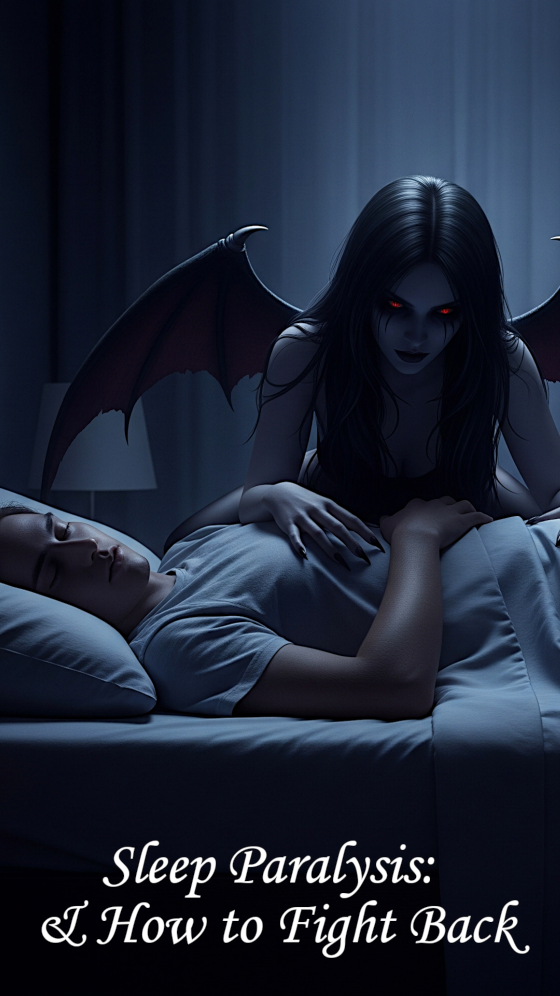
  • Sleep Paralysis: Ancient Shadows, Modern Science & How to Fight Back

    Sleep Paralysis: Ancient Shadows, Modern Science & How to Fight Back

    Have you ever woken up in the dead of night, wide awake but unable to move a single muscle? Maybe you felt a heavy weight on your chest, sensed a sinister presence in the room, or even saw shadowy figures lurking by your bed. If so, you’re not alone. This terrifying phenomenon is called sleep paralysis, and it’s been haunting humanity for centuries. While science now explains it as a neurological glitch, the stories and archetypes that emerge from these episodes are eerily consistent across cultures: incubus, succubus, shadow people, and more.


    Today, we’ll dive deep into the mysterious world of sleep paralysis. We’ll explore why people all over the globe experience the same chilling visions, examine what these shared nightmares might reveal about the liminal space between waking and dreaming, and even arm you with time-tested strategies to fight off those nocturnal attackers. Ready to uncover the secrets that link ancient folklore and cutting-edge neuroscience? Read on…if you dare.

    What Is Sleep Paralysis? The Science & The Shock

    Sleep paralysis is a state where you’re conscious but can’t move your body, usually as you’re falling asleep or waking up. It feels like your mind wakes up before your body does, leaving you trapped and helpless for a few seconds or minutes. About 1 in 5 people will experience sleep paralysis at least once in their lives.


    During these episodes, your brain is caught between REM sleep (where you dream and your muscles are paralyzed) and wakefulness. This overlap causes you to be aware but unable to move, and often brings vivid hallucinations, such as sights, sounds, and sensations that feel all too real.
    Key Facts
    • 20% of people have had sleep paralysis at least once.
    • Episodes last from a few seconds to a couple of minutes.
    • Most people experience terrifying hallucinations, including shadowy figures, pressure on the chest, or a sense of evil in the room.

    The Folklore Connection: Why Are the Stories So Similar?

    Sleep paralysis presents a phenomenon that cannot be explained away as a mere oddity of the human mind. Across the world, individuals report nearly identical experiences, regardless of their culture, era, or beliefs. The specific details may shift, but the essential features: complete physical immobility, an overwhelming sense of fear, and the undeniable presence of a supernatural entity, remain consistent.
    Examining these accounts reveals a pattern that suggests genuine contact with forces beyond the ordinary:

    • In Europe, the experience is frequently attributed to the presence of the “incubus” or “night hag,” entities known for sitting on the chest of the victim and drawing away their breath or vitality. These encounters are described with remarkable uniformity, often involving a heavy weight pressing down on the sleeper, accompanied by a sense of suffocation and the clear perception of a malevolent being.
    • In Japan, the phenomenon is recognized as “kanashibari,” where a vengeful spirit is believed to immobilize the sleeper. The sensation of being pinned down is often accompanied by visions or feelings of a ghostly figure in the room, reinforcing the idea that these are not random hallucinations but encounters with the spiritual realm.
    • In the United States and other Western societies, the phenomenon has taken on new forms, such as encounters with “shadow people” or even alien abductions. Despite the modern context, the core experience remains unchanged: paralysis, a sense of dread, and the unmistakable feeling that a non-human presence is close by.

    The consistency of these reports, despite vast differences in culture and history, points to the reality of supernatural involvement in sleep paralysis. The similarities cannot be attributed solely to psychological or neurological causes. Instead, they indicate that sleep paralysis is a moment when the barrier between the physical and spiritual worlds becomes thin, allowing contact with entities that are usually hidden from view.


    These recurring accounts suggest a shared human experience of the supernatural, one that transcends cultural boundaries and historical periods. The widespread nature of these stories supports the conclusion that sleep paralysis is not just a product of the mind, but a genuine encounter with forces that exist beyond ordinary perception.

    The Liminal State: Where Dreams and Reality Collide

    Sleep paralysis is not simply a quirk of the sleeping mind, but a distinct state where the boundaries between the physical world and the unseen become porous. This period occurs as a person transitions between sleep and wakefulness. Rather than being fully awake or fully asleep, the individual is caught in a threshold where consciousness returns, but the body remains unresponsive. In this state, it is not just the mind that is active; the senses become heightened, and the ordinary rules that separate waking life from the supernatural seem suspended.


    This unique condition is not adequately explained by scientific theories about brain chemistry or sleep cycles. Instead, it is better understood as a time when the normal protections that keep spiritual forces at bay are weakened. The body is immobile, and the mind is open, making a person especially susceptible to encounters with entities that do not belong to the material world. During this interval, people are not simply dreaming. They are awake and aware, yet powerless to move or speak, creating an ideal situation for supernatural forces to make themselves known.


    The reason so many report terrifying encounters during sleep paralysis is not due to imagination or subconscious fears alone. The experiences are consistent and vivid because the liminal state is a genuine crossing point. It is during these moments that entities from beyond can enter the room, interact with the paralyzed individual, and leave a lasting impression. The sense of a presence is not an illusion. It is the result of an actual intrusion by beings that exist outside ordinary perception. The persistent feeling of being watched, touched, or attacked is a direct result of this contact.


    The specific forms these beings take are remarkably consistent across cultures, suggesting that they are not simply products of personal belief or cultural conditioning. Instead, the recurrence of certain archetypes points to the existence of real supernatural entities that have been witnessed by countless individuals throughout history.

    The Archetypes: Incubus, Succubus, Shadow People & More

    Among the most frequently encountered beings during sleep paralysis are the incubus and succubus. The incubus is often described as a malevolent male entity that targets women as they sleep. Victims report the sensation of a heavy weight pressing down on their chest, making it difficult to breathe, and sometimes experience a draining of energy or vitality. The succubus, a female counterpart, is said to prey on men. While her approach may seem seductive at first, the encounter quickly turns terrifying, leaving the victim feeling violated and exhausted.


    Shadow people are another common presence. These entities appear as dark, featureless silhouettes, often seen standing at the foot of the bed or lurking in the corners of the room. Unlike ordinary shadows, these figures possess a sense of intent and awareness. Their presence is accompanied by an overwhelming feeling of dread or evil, as if they are observing or waiting for the right moment to act.
    The old hag is a figure deeply rooted in European tradition. She is typically described as an ancient, withered woman who sits on the chest of the sleeper, making it nearly impossible to breathe or call for help. Victims often report seeing her face or feeling her weight, and the experience is marked by a sense of suffocation and helplessness.


    In more recent times, some individuals interpret their encounters as alien abductions. These episodes include sensations of being paralyzed, seeing bright lights, and the presence of strange, non-human beings. Despite the modern context, the core elements remain unchanged: immobility, fear, and the visitation of an otherworldly presence.


    These archetypes are not random or isolated. They are reported by people of all ages, backgrounds, and belief systems, indicating that they are not simply stories or hallucinations. Instead, they are evidence of real encounters with supernatural forces that take advantage of the liminal state.

    Why Are the Experiences So Real?

    The vividness of these encounters is not a trick of the mind. During sleep paralysis, the senses are heightened to a degree that is rarely experienced in ordinary life. Individuals are fully aware of their surroundings. They can see the details of their room, hear every sound, and feel every sensation, yet they are unable to move or cry out. This heightened perception makes the presence of supernatural entities unmistakable.


    Visual encounters are common. People report seeing shadowy figures, grotesque faces, or entire scenes unfold before their eyes. These visions are not fleeting or vague; they are detailed and persistent, often leaving a lasting impression long after the episode ends.


    Auditory phenomena are also frequently reported. Victims hear footsteps approaching, whispers in unknown languages, growling, or even clear voices addressing them directly. These sounds are not muffled or distant but seem to originate from within the room, reinforcing the reality of the encounter.
    Physical sensations are perhaps the most convincing evidence of a supernatural presence. Many describe feeling pressure on their chest, as if pinned down by an unseen force. Others experience choking, the sensation of being lifted or floated, or the distinct feeling of being touched by cold, non-human hands. These sensations are so intense that they leave a deep sense of fear and vulnerability.


    The emotional impact of these experiences is profound. The terror is not easily forgotten, and many people develop a persistent fear of sleep, worried that the entities will return. This ongoing anxiety is understandable, given the reality of the encounters and the helplessness felt during each episode.
    Sleep paralysis is not merely a neurological event. It is a state where the boundaries between the physical and supernatural worlds are weakened, allowing real entities to enter and interact with the living. The consistency of these experiences across cultures and generations points to their authenticity. The vividness and persistence of the encounters confirm that they are not imagined but are genuine visitations from forces beyond the ordinary.

    Do These Narratives Reveal a Shared Human Truth?

    Here’s the million-dollar question: Are these stories just byproducts of a glitchy brain, or do they reveal something deeper about the human condition?
    The consistency of these narratives suggests that sleep paralysis taps into a universal aspect of the human psyche. The liminal state between waking and dreaming is a place where our deepest fears and archetypes come to life. Whether you believe these entities are real or not, the experiences themselves are undeniably powerful.
    • Shared Fears: The fear of being helpless, the terror of the unknown, and the sense of vulnerability at night are hardwired into us.
    • Collective Unconscious: Some believe these archetypes come from a collective unconscious: a shared pool of symbols and fears that all humans draw from.
    • Spiritual Gateways: Others see sleep paralysis as a doorway to other realms, where spirits or entities can interact with the living.
    Whatever the explanation, sleep paralysis is a profound reminder that the boundary between reality and imagination is thinner than we think.

    How to Fight Off an Incubus or Succubus: 5 Proven Strategies

    If you ever find yourself trapped in a sleep paralysis episode, facing down an incubus, succubus, or shadow person, don’t panic. Here are five strategies believers have used for centuries to break free:
    1. Focus on Moving a Small Muscle
    Start by trying to wiggle your toes, fingers, or even blink your eyes. Small movements can help jolt your body out of paralysis and end the episode.
    2. Regain Control of Your Breathing
    Take slow, deep breaths (as much as you can). Focusing on your breath can calm your mind and help you regain control.
    3. Call for Help—Mentally or Spiritually
    Many people find that praying, calling out to a higher power, or mentally commanding the entity to leave can break the spell.
    4. Visualize a Protective Light
    Imagine a bright, protective light surrounding you. This visualization can help banish negative entities and restore your sense of safety.
    5. Keep a Protective Object Nearby
    Some cultures recommend keeping a talisman, religious symbol, or protective charm by your bed. Whether it’s a cross, crystal, or other sacred object, it can provide comfort and ward off unwanted visitors.

    Conclusion: The Shadow at the Edge of Sleep

    Sleep paralysis is more than just a neurological hiccup, it’s a window into the mysterious borderland between waking and dreaming. The fact that people all over the world, throughout history, have described the same terrifying entities suggests that these experiences tap into something deep and universal.


    Whether you see sleep paralysis as a glitch in the brain or a glimpse into another realm, one thing is clear: the stories we tell about our night terrors reveal as much about us as they do about the shadows themselves. So next time you find yourself frozen in the darkness, remember, you’re not alone. Millions have faced these ancient nightmares and survived. With knowledge, courage, and a few protective tricks up your sleeve, you can too.

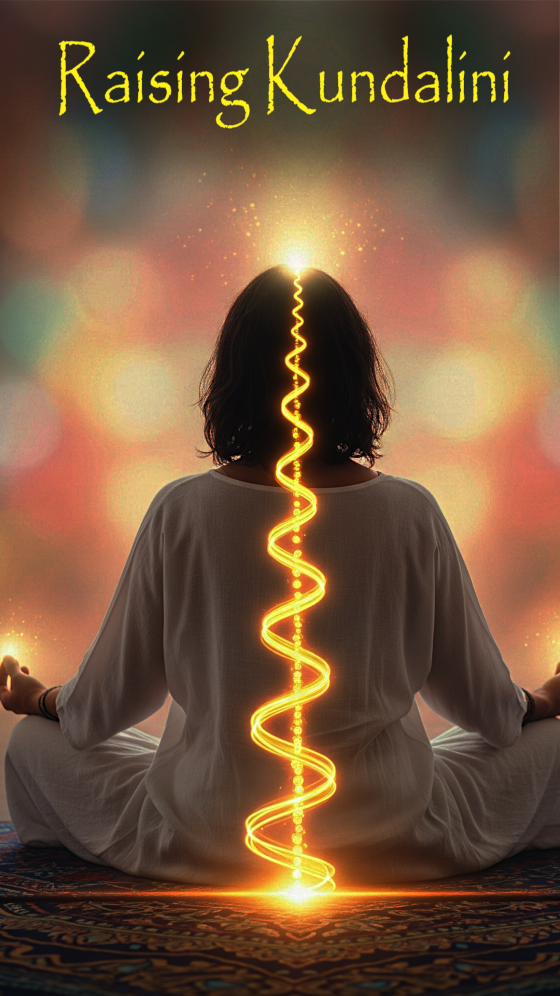
  • Raising Kundalini: Real Experiences, Risks, and Krishnamurti’s Warnings

    Raising Kundalini: Real Experiences, Risks, and Krishnamurti’s Warnings

    Raising kundalini is one of the most talked-about (and misunderstood) topics in the world of spiritual awakening. Some see it as the ultimate path to enlightenment, while others warn of its dangers. If you’ve ever wondered what really happens when kundalini awakens, how to start the process, what you might experience (the good, the bad, and the downright strange), and why spiritual teachers like J. Krishnamurti sounded the alarm, you’re in the right place.
    Let’s dive into the real-world journey of kundalini awakening, explore its fascinating effects, and uncover the essential truths every seeker should know.

    The Magnetic Pull of Kundalini Awakening

    For many, the concept of kundalini stirs a sense of curiosity and fascination. The idea centers around a potent energy that is believed to reside at the very base of the human spine, coiled and dormant, waiting for a specific set of circumstances to become active. This energy is often described as lying in wait, much like a spring ready to uncoil when the right conditions are met. Across various spiritual circles, there are numerous accounts (sometimes whispered in yoga studios or discussed in meditation groups) about individuals who have undergone profound changes after their kundalini energy became active. These stories often include vivid descriptions of overwhelming joy, intense spiritual insight, and even unusual physical movements that seem to arise without conscious intention. Some people talk about entering deep states of meditation, experiencing visions, or finding themselves spontaneously moving into complex yoga poses they never learned.
    With so many stories circulating, it can be difficult to separate fact from exaggeration. People naturally wonder what is truly possible, what might be exaggerated, and what a person should realistically expect if they decide to pursue the awakening of this inner force. The topic is often surrounded by both awe and skepticism, making it important to look at the process with clarity and honesty.

    What Is Kundalini Awakening? The Basics You Need to Know

    Kundalini is commonly described as a form of energy that remains inactive at the base of the spine until it is awakened. This energy is said to be coiled, much like a serpent, and is considered latent until something triggers its ascent. When this energy becomes active, it is believed to move upward through a series of energy centers in the body, often referred to as chakras. As kundalini rises, it is said to bring about significant changes in a person’s awareness, leading to a broader and deeper understanding of themselves and the world around them. This process is often associated with a sense of personal transformation, where old patterns of thinking and feeling are replaced by new insights and perspectives. In some cases, individuals report the emergence of abilities or experiences that seem extraordinary, such as heightened intuition or moments of deep inner peace.
    However, the process of kundalini awakening is rarely straightforward. Contrary to popularized accounts that focus only on the positive or dramatic aspects, the journey can be unpredictable and sometimes difficult. People may encounter periods of discomfort, confusion, or emotional upheaval as their energy system adjusts to new levels of activity. The process is highly individual, and no two experiences are exactly alike.

    The Real Purpose of Kundalini

    While stories about kundalini often highlight dramatic experiences or the development of unusual abilities, the deeper purpose of this awakening goes beyond temporary sensations or psychic phenomena. At its essence, kundalini awakening is considered a path to self-realization. This means moving beyond the limited sense of self that is shaped by personal history, social roles, and habitual thought patterns. The ultimate goal is to experience a sense of unity with a larger reality, sometimes described as universal consciousness. This state is characterized by a profound sense of peace, clarity, and freedom from the usual worries and fears that occupy the mind. The process is not about chasing after mystical experiences for their own sake, but about dissolving the barriers that separate the individual from a deeper sense of being.

    How Kundalini Awakening Happens

    The activation of kundalini energy does not follow a single, predictable route. There are several ways this process can begin, and it is not always under conscious control. Here are some of the most common pathways:
    • Regular Spiritual Practice: Many people who experience kundalini awakening do so after years of dedicated spiritual practice. Techniques such as yoga, controlled breathing exercises, and various forms of meditation are often used to gradually prepare the body and mind for higher states of awareness. These practices are designed to purify the energy system, making it more receptive to the flow of kundalini.
    • Significant Life Events: Sometimes, kundalini is triggered by major events that disrupt a person’s usual way of living or thinking. Experiences such as serious illness, traumatic incidents, or near-death situations can act as catalysts. In these cases, the energy may rise suddenly as the individual’s system is jolted out of its normal patterns.
    • Direct Transmission from a Teacher: In certain spiritual traditions, it is believed that a teacher who has already undergone the process can initiate the awakening in a student. This is often done through a ritual or a specific form of energetic transmission, which is intended to activate the dormant energy in the recipient.
    • Unexpected Triggers: There are also cases where kundalini becomes active without any deliberate intention. High levels of stress, intense emotional experiences, sexual activity, or even the use of certain substances have been reported to set the process in motion. In these instances, the individual may not be seeking spiritual growth, but finds themselves suddenly dealing with the effects of an awakened kundalini.
    It is important to note that while some people actively pursue kundalini awakening through structured practices, others may find themselves in the midst of the process without any prior warning or preparation. The experience can be both exhilarating and overwhelming, depending on the circumstances and the person’s level of readiness.

    What You May Experience

    Let’s get right to what most people want to know: What does kundalini awakening feel like?
    1. The First Signs: Physical Sensations
    • Rush of energy: Many describe a surge or wave of energy moving up the spine, sometimes like heat, electricity, or a spiraling current.
    • Spontaneous movements: Your body might jerk, twist, or move into yoga postures you’ve never practiced.
    • Vivid sensations: Tingling, buzzing, pressure at the forehead or crown, and even shaking are common.
    • Unusual bodily needs: Some report cravings for specific foods, like sugar cane, or changes in sleep and appetite.
    2. Emotional Highs and Lows
    • Bliss and oneness: A sense of deep peace, joy, or unity with everything can sweep over you.
    • Sudden mood swings: Old traumas or suppressed emotions may surface, leading to tears, anger, or fear.
    • Heightened empathy: You might feel others’ emotions more intensely, sometimes to an overwhelming degree.
    3. Paranormal and Mystical Effects
    • Expanded awareness: Moments of feeling “all consciousness,” seeing auras, or sensing subtle energies.
    • Psychic phenomena: Some experience precognition, telepathy, or vivid visions.
    • Past-life memories: Intense flashes of other lifetimes or archetypal experiences can arise.
    4. The Hard Work: Purification and Integration
    After the initial fireworks, kundalini begins the deeper work of clearing out old patterns, beliefs, and blockages. This phase can be challenging, uncomfortable, and even scary. You’re not in control anymore; the process takes on a life of its own.

    How to Awaken Kundalini (and Why You Should Think Twice)

    The idea of awakening kundalini can be incredibly appealing, especially for those who are curious about spiritual development or searching for deeper meaning in life. However, before taking any steps in this direction, it’s important to understand what is actually involved and why careful consideration is necessary.

    Prerequisites and Conditions

    Before attempting to activate kundalini energy, several important factors need to be in place. First, a person should have a stable and balanced state of mind. This means being able to manage emotions, maintain focus, and respond to stress in healthy ways. Mental stability is crucial because the process can bring up intense feelings and old memories that require resilience and self-awareness.
    Physical health is equally important. The body needs to be strong and well-nourished, as kundalini awakening can put significant demands on the nervous system and other bodily functions. Those with chronic health problems or ongoing medical issues should address these concerns before considering any practices that might stimulate kundalini.
    A lifestyle that is grounded and consistent also plays a key role. This involves having routines, responsibilities, and a sense of connection to daily life. People who are already feeling lost or disconnected may find that the process amplifies these feelings.
    Having guidance from someone with experience is highly recommended. A teacher or mentor who has personally gone through the process can provide practical advice, emotional support, and help interpret unusual experiences. This guidance can make the difference between a manageable process and one that becomes overwhelming.
    Preparation is not just about physical and mental readiness. It also involves engaging in regular spiritual practices, such as meditation, self-reflection, and emotional healing. These activities help clear away mental clutter and unresolved issues, making the system more receptive to the powerful currents of kundalini energy.

    Common Techniques

    There are several established methods that people use to try to awaken kundalini. One of the most common is the practice of yoga, particularly styles that focus on breath control, physical postures, and energy movement. Kundalini yoga, for example, combines these elements in a way that is specifically designed to stimulate the dormant energy at the base of the spine.
    Breathwork, or pranayama, is another widely used approach. By controlling the breath in specific patterns, practitioners aim to influence the flow of energy in the body and encourage the upward movement of kundalini.
    Meditation is often used alongside these physical practices. Extended periods of focused attention can help quiet the mind and create the inner space needed for energy to rise.
    Chanting and the repetition of mantras (sacred sounds or phrases) are also common. These practices are believed to vibrate the energy centers and help clear blockages, making it easier for kundalini to move.
    Lifestyle choices play a supporting role. Eating a clean, nutritious diet, practicing self-discipline, and engaging in acts of service or kindness are all thought to create a positive environment for spiritual growth. These habits not only strengthen the body and mind but also foster the qualities of humility and compassion that are considered essential for safe awakening.

    Why Caution Is Essential

    It’s easy to get caught up in the excitement of spiritual growth and the promise of extraordinary experiences. However, kundalini awakening is not a quick fix or an easy path to power. The process can be unpredictable and intense, and without proper preparation, it can lead to confusion, distress, or even serious psychological disturbances.
    Some people may experience overwhelming emotions, lose their sense of direction, or develop a distorted view of themselves and their place in the world. For these reasons, it’s important to approach kundalini with respect and a willingness to move slowly and mindfully. Not everyone is suited to this journey, and there is no shame in deciding that it is not the right path for you.


    Awakening kundalini is a profound and complex process that requires careful preparation and ongoing support. While the rewards can be significant, the risks are real and should not be underestimated. Anyone considering this path should do so with full awareness of what is involved, a commitment to self-care, and a willingness to seek help when needed.


    Krishnamurti’s Cautionary Perspective: The Process, the Pitfalls, and the Sugar Cane Mystery

    J. Krishnamurti, one of the 20th century’s most respected spiritual teachers, had his own unique journey with kundalini-like phenomena. He referred to it simply as “the process.”
    Krishnamurti’s “Process”:
    Krishnamurti described undergoing intense physical and energetic changes, including periods of pain, altered consciousness, and powerful surges of energy. He didn’t seek these experiences, they happened spontaneously, often leaving him exhausted or in need of specific foods (like large amounts of sugar cane).
    Prerequisites and Conditions:
    Krishnamurti emphasized that such processes require a certain purity of mind and body, and that not everyone is ready for them. He warned that trying to force or imitate these experiences, especially for the sake of power or prestige, is misguided and potentially harmful.
    Physical Manifestations and Sugar Cane:
    Accounts of Krishnamurti’s process mention dramatic physical symptoms: shaking, sweating, and the need for sugar to stabilize his body. This highlights how unpredictable and demanding the process can be, even for someone with extraordinary discipline and insight.
    Critical Perspective: Dangers of Commercialization:
    Krishnamurti was deeply critical of the commercialization of kundalini. He saw the rise of kundalini centers and workshops as a distortion of the true purpose of spiritual awakening. He warned that chasing powers or experiences for their own sake leads to confusion, exploitation, and spiritual stagnation.
    Modern Misinterpretations:
    Today, many believe that specific exercises or breathing techniques can reliably induce kundalini awakening. Krishnamurti argued that this mindset reduces a sacred process to a commodity, turning genuine spiritual growth into a moneymaking scheme.

    Frequently Asked Questions About Raising Kundalini

    Q: Can anyone awaken kundalini?
    A: In theory, everyone has kundalini energy, but not everyone is ready to awaken it safely. Preparation, guidance, and self-awareness are crucial.
    Q: How long does kundalini awakening last?
    A: It varies. For some, it’s a brief episode; for others, it’s a lifelong journey of unfolding and integration.
    Q: Is kundalini awakening dangerous?
    A: It can be. Without proper preparation and support, the process can lead to physical, emotional, and psychological distress.
    Q: What if I experience strange symptoms?
    A: Always rule out medical causes first. If symptoms persist and you suspect kundalini, seek guidance from experienced practitioners.
    Q: Can kundalini awakening make me psychic?
    A: Some people report heightened intuition or psychic abilities, but these are side effects, not the goal.
    Q: Do I need a guru?
    A: While not strictly necessary, having an experienced guide greatly increases safety and clarity.
    Q: What’s the difference between kundalini and other spiritual experiences?
    A: Kundalini is uniquely intense, often involving dramatic physical and energetic shifts. Other spiritual experiences may be more subtle or gradual.
    Q: Is it possible to stop kundalini once it starts?
    A: Once awakened, kundalini tends to follow its own course. You can slow the process with grounding practices, but you can’t “turn it off” at will.
    Q: Why do some people crave sugar during awakening?
    A: Rapid energy shifts can deplete the body, leading to cravings for quick energy sources like sugar. This was famously true for Krishnamurti.
    Q: What’s the biggest misconception about kundalini?
    A: That it’s all bliss and psychic powers. In reality, awakening is a deep purification process that can be both beautiful and challenging.

    Conclusion: The Real Promise and Peril of Raising Kundalini

    Kundalini awakening is a powerful, unpredictable journey. It can bring profound transformation, insight, and connection to the divine. But it’s not a shortcut, a thrill ride, or a way to gain superpowers. The process demands humility, preparation, and respect.
    If you’re drawn to awaken kundalini, do so with open eyes and a grounded heart. Seek guidance, honor your body, and remember that the true goal is not power, but self-realization.
    Krishnamurti’s warnings remain as relevant as ever: don’t let the promise of spiritual fireworks distract you from the deeper work of awakening. The journey is real, the risks are real, and so is the possibility of genuine freedom.

    Note: This article is for informational purposes only and does not constitute medical or spiritual advice. If you are considering spiritual practices, it is essential to consult with qualified professionals.

  • Animal Familiars: Wolves, Ravens, Foxes & More – Unveiling the True Power Behind Witchcraft’s Secret Allies

    Animal Familiars: Wolves, Ravens, Foxes & More – Unveiling the True Power Behind Witchcraft’s Secret Allies

    When you hear the phrase “witch’s familiar,” what animal leaps to mind? If you said “cat,” you’re not alone. For centuries, black cats have prowled through folklore, Halloween decorations, and pop culture as the quintessential magical sidekick. But here’s a little-known truth: the world of animal familiars is far richer, wilder, and more diverse than most people realize.
    Across time and continents, witches, shamans, and cunning folk have partnered with a dazzling variety of animal spirits: wolves, ravens, foxes, owls, snakes, and more. Each creature brought its own unique magic, symbolism, and lessons. These forgotten traditions hold powerful secrets for anyone seeking to deepen their connection with nature, unlock hidden wisdom, or simply satisfy a burning curiosity about the mystical world.
    Whether you’re a practicing witch, a folklore enthusiast, or just love a good story, this article will open your eyes to the forgotten animal allies who shaped the world of magic.

    The Forgotten Familiars: More Than Just Cats

    Why Do We Always Think of Cats?

    Let’s face it: cats are mysterious, independent, and downright magical. Their nocturnal habits, piercing eyes, and uncanny ability to appear and disappear have made them the poster child for the witch’s familiar. But this is only part of the story.
    In medieval Europe, the church’s fear of paganism and the unknown led to cats—especially black ones—being labeled as demonic. This association stuck, and the cat became the familiar everyone remembers. But if you look beyond the veil, you’ll find a menagerie of other animals who played equally vital roles in the magical traditions of witches around the world.


    The Real Menagerie: Wolves, Ravens, Foxes, Owls, and Snakes

    Let’s meet the forgotten familiars and uncover the true power they brought to the magical arts.

    Wolves: Guardians, Guides, and Wild Teachers

    Wolves are the ultimate symbol of loyalty, intuition, and wild freedom. In many magical traditions, the wolf was more than just a spirit guide; it was a fierce protector and a wise teacher.

    Symbolic Roles:

    • Guardianship: Wolves are natural protectors, fiercely defending their pack and territory. Witches called upon wolf familiars for protection against spiritual and physical threats.
    • Intuition and Instinct: With their keen senses and ability to survive in harsh conditions, wolves taught witches to trust their instincts and embrace their wild side.
    • Transformation: The wolf’s connection to the moon and its howling at night made it a symbol of transformation and personal growth. Many magical rituals used wolf energy to help practitioners shed old habits and embrace new beginnings.
    • Community and Loyalty: Wolves live and hunt in packs, symbolizing the importance of family, community, and cooperation in magical work.

    How Were Wolves Chosen as Familiars?

    Wolves often appeared to witches in dreams, visions, or during moments of personal crisis. If a wolf crossed your path or showed up repeatedly in your life, it was seen as a sign that this animal wished to work with you. Some witches sought out wolf spirits through meditation or shamanic journeying, forming deep bonds that lasted a lifetime.

    Key Takeaway: If you crave strength, protection, and the courage to embrace your true self, the wolf may be your forgotten familiar.

    Ravens: Messengers, Tricksters, and Keepers of Secrets

    Ravens have always been associated with magic, mystery, and the unknown. Their glossy black feathers and haunting calls make them natural companions for those who walk between worlds.

    Symbolic Roles:

    • Wisdom and Prophecy: Ravens are known for their intelligence and problem-solving skills. In many cultures, they were seen as oracles, bringing messages from the spirit world.
    • Transformation and Death: As scavengers, ravens are linked to the cycles of life, death, and rebirth. Witches worked with raven familiars to work through transitions, release the past, and embrace change.
    • Trickster Energy: Ravens are playful and cunning, reminding witches not to take life too seriously and to use wit and humor as magical tools.
    • Communication with Spirits: Ravens were believed to carry messages between the worlds of the living and the dead, making them invaluable allies in divination and spirit work.

    How Were Ravens Chosen as Familiars?

    A raven might appear during a time of great change, or when a witch needed guidance from the other side. Their presence was seen as a sign that it was time to pay attention to dreams, omens, and subtle messages from the universe.

    Key Takeaway: If you’re seeking wisdom, guidance, or a deeper connection to the mysteries of life and death, the raven is your magical messenger.

    Foxes: Cunning, Adaptability, and the Art of Disguise

    Foxes are the ultimate survivors; clever, adaptable, and always one step ahead. In magical traditions, the fox familiar was a master of illusion and transformation.

    Symbolic Roles:

    • Cunning and Intelligence: Foxes are famous for their quick thinking and resourcefulness. Witches called on fox energy for problem-solving and outwitting enemies.
    • Adaptability: Foxes thrive in diverse environments, teaching witches to adapt to changing circumstances and make the best of any situation.
    • Shape-Shifting and Disguise: Folklore is filled with stories of foxes who could change their shape or hide in plain sight. This made them powerful allies for witches practicing glamour magic or seeking to move unseen.
    • Feminine Power: In many cultures, foxes are associated with feminine energy, sensuality, and the mysteries of the night.

    How Were Foxes Chosen as Familiars?

    Foxes often appeared to those who needed to escape danger, reinvent themselves, or embrace their inner trickster. A fox crossing your path was a sign to trust your wits and stay alert.

    Key Takeaway: If you value cleverness, adaptability, and the power to transform, the fox is your magical ally.

    Owls: Wisdom, Night Vision, and Silent Power

    Owls are the silent hunters of the night, gliding through the darkness with uncanny precision. Their association with wisdom and the unseen made them prized familiars among witches.

    Symbolic Roles:

    • Wisdom and Knowledge: Owls are universally recognized as symbols of wisdom. Witches worked with owl familiars to gain insight, clarity, and understanding of hidden truths.
    • Night Vision and Seeing the Unseen: With their ability to see in the dark, owls helped witches uncover secrets and navigate the mysteries of the night.
    • Protection from Evil: In some traditions, owls were seen as guardians who could ward off evil spirits and negative energies.
    • Connection to the Moon: Owls are often linked to lunar cycles, intuition, and the feminine mysteries.

    How Were Owls Chosen as Familiars?

    Owls often appeared to those seeking knowledge, guidance, or protection during times of uncertainty. Their silent presence was a reminder to trust your intuition and look beyond the obvious.

    Key Takeaway: If you seek wisdom, clarity, and the power to see what others miss, the owl is your familiar of choice.

    Snakes: Healing, Transformation, and the Power of Rebirth

    Snakes are among the oldest symbols of magic, revered and feared in equal measure. Their ability to shed their skin made them potent familiars for witches seeking transformation and healing.

    Symbolic Roles:

    • Healing and Renewal: Snakes have long been associated with healing, medicine, and regeneration. Witches called on snake familiars for spells of renewal, health, and vitality.
    • Transformation and Rebirth: The shedding of a snake’s skin is a powerful metaphor for personal transformation and spiritual growth.
    • Earth Energy: Snakes move close to the ground, connecting them to the earth’s energies and the cycles of nature.
    • Wisdom and Hidden Knowledge: In many traditions, snakes are guardians of ancient wisdom and secret knowledge.

    How Were Snakes Chosen as Familiars?

    Snakes often appeared to those undergoing major life changes or seeking to heal from old wounds. Their presence was a sign that it was time to let go of the past and embrace a new chapter.

    Key Takeaway: If you desire healing, transformation, and a connection to ancient wisdom, the snake is your powerful familiar.

    Frequently Asked Questions About Animal Familiars

    1. How did witches choose their familiars?

    Familiars often chose the witch, not the other way around. These animals might appear in dreams, visions, or real-life encounters during significant moments. Some witches actively sought out a familiar through rituals, meditation, or shamanic journeying, but the most powerful bonds were those that formed naturally and intuitively.

    2. Were animal familiars always physical animals?

    Not always! Many witches worked with the spirit or astral form of an animal rather than a physical companion. These spirit familiars could appear during meditation, dreams, or magical rituals and were just as powerful as their flesh-and-blood counterparts.

    3. Can you have more than one familiar?

    Absolutely. Some witches worked with several animal allies, each offering different strengths and guidance depending on the situation. It’s not uncommon for a witch to have a primary familiar and several secondary ones.

    4. What if my familiar is an “ordinary” animal like a dog or bird?

    There’s no such thing as an “ordinary” familiar. Every animal brings its own unique energy and lessons. Dogs, for example, are symbols of loyalty and protection, while birds can represent freedom and higher perspective. Trust the animal that appears to you, regardless of its reputation.

    5. How do I know if an animal is trying to be my familiar?

    Look for repeated encounters with a particular animal, especially during significant moments in your life. Pay attention to dreams, meditations, and gut feelings. If you feel a strong connection or sense of recognition, that animal may be reaching out to you.

    6. Are animal familiars dangerous?

    Familiars are not inherently dangerous, but they can challenge you to grow and face your fears. The wolf may teach you to stand your ground, the snake may urge you to shed old skin, and the raven may push you to embrace change. Approach these relationships with respect and openness.

    7. Can I choose a familiar based on what I want to learn or achieve?

    Yes! If you’re seeking a specific quality (wisdom, protection, transformation) you can invite the energy of an animal that embodies those traits into your life. Set your intention, perform a ritual, or simply meditate on the animal’s qualities.

    The Enduring Magic of Forgotten Familiars

    The world of animal familiars is as wild and varied as nature itself. While cats will always have their place in the heart of witchcraft, the true magic lies in the diversity of animal allies waiting to guide, protect, and inspire us.
    By reconnecting with the forgotten traditions of wolves, ravens, foxes, owls, snakes, and more, we open ourselves to deeper wisdom, greater strength, and the untamed magic that lives within us all. Whether you’re seeking a familiar for protection, guidance, transformation, or simply companionship, trust that the right animal will find you when the time is right.
    The next time you walk through the woods, gaze at the moon, or listen to the call of a wild creature, remember: magic is everywhere, and your forgotten familiar may be closer than you think.

    Conclusion

    Animal familiars are much more than the black cats of fairy tales. They are living symbols of the wild, the wise, and the mysterious. Wolves teach us to stand strong and protect our tribe. Ravens carry messages from the spirit world. Foxes remind us to adapt and outwit challenges. Owls grant us wisdom and the power to see through darkness. Snakes offer healing and the courage to transform.
    Embracing these forgotten traditions isn’t just about honoring the past; it’s about reclaiming the full spectrum of magic available to us. So, keep your eyes open, your heart wild, and your spirit ready for adventure. Your forgotten familiar is waiting to walk beside you on your magical journey.

  • The Mind-Blowing Geomancy of Lost Cities & Archaeological Anomalies Revealed

    The Mind-Blowing Geomancy of Lost Cities & Archaeological Anomalies Revealed

    Have you ever wondered if the world’s most mysterious ancient sites were designed for more than just beauty or survival? Imagine standing at Göbekli Tepe, the Nazca Lines, the Great Pyramid of Giza, or Angkor Wat, and feeling a powerful energy beneath your feet. What if these places were built with a purpose that goes far beyond what textbooks tell us? Today, we’re diving deep into the geomancy of lost cities and archaeological anomalies. We’ll explore the possibility that ancient builders consciously used geomantic principles; harnessing earth energies, aligning with the cosmos, and encoding secrets for ritual, energy manipulation, or even communication. Get ready for a journey that blends history, mystery, and a touch of magic!

    The Hidden Blueprint: What Is Geomancy?

    Geomancy is more than tossing pebbles for personal divination. It’s the ancient art of reading and shaping the earth; literally “earth divination.” But what if geomancy was a science of city planning, a spiritual technology, and a cosmic language all at once? Lost civilizations may have used geomantic knowledge to select sacred sites, align monuments, and channel energies for purposes we’re only beginning to rediscover.

    Göbekli Tepe: The World’s Oldest Geomantic Temple

    Göbekli Tepe, located in modern-day Turkey, stands as one of the most astonishing achievements of the ancient world. Dating back around 11,500 years, it was constructed well before iconic sites like Stonehenge or the Egyptian pyramids. What makes Göbekli Tepe truly remarkable is its unique arrangement of massive T-shaped stone pillars, which are organized in circular formations. These circles aren’t haphazard; their layout shows a clear sense of order and intentional design, with each enclosure seemingly serving a specific purpose or representing a symbolic meaning.
    What’s even more fascinating is that the builders of Göbekli Tepe were not settled farmers or city dwellers; they were allegedly hunter-gatherers. It is believed by modern archaeologists (though we should always doubt premises of supposed authority figures) that despite lacking the tools and techniques of later civilizations, they managed to design and construct a complex monument with incredible precision. This suggests that they possessed advanced knowledge of geometry and possibly an understanding of the earth’s natural energies. The deliberate placement of the pillars and the overall structure hints at a sacred purpose, possibly serving as a center for rituals, spiritual transformation, or even as a place to connect with higher realms. The sophistication of Göbekli Tepe challenges our assumptions about prehistoric people and opens up the possibility that they were tapping into ancient geomantic principles to create a powerful and meaningful space.

    The Nazca Lines: Messages to the Gods or Ancient Energy Maps?

    The Nazca Lines in Peru are one of the world’s greatest archaeological mysteries. These gigantic geoglyphs (some over 1,200 feet long) can only be fully seen from the air. Why did the Nazca people create these intricate lines, shapes, and animals in the desert?
    Many believe the lines are more than just art. Their precise alignments with astronomical events and water sources suggest a geomantic purpose. Some researchers propose that the Nazca Lines are energy maps, designed to interact with earth energies or serve as a communication grid with the cosmos. Imagine these lines as a giant circuit board, channeling energy for ritual, healing, or even interdimensional contact.

    The Great Pyramid of Giza: A Monumental Geomantic Machine

    No list of geomantic wonders would be complete without the Great Pyramid of Giza. This ancient marvel is aligned with incredible precision to true north, the cardinal points, and even the stars of Orion’s Belt. The pyramid’s proportions encode mathematical constants and cosmic cycles. Was it just a tomb, or something more?
    Many geomancy enthusiasts believe the Great Pyramid was built as an energy machine: a structure designed to harness, amplify, and transmit earth energies. Its location on the Giza Plateau, at the intersection of powerful ley lines, suggests a conscious choice. The pyramid’s internal chambers and shafts may have been used for initiation, healing, or even communication with higher realms.

    Angkor Wat: The Cosmic Temple of Cambodia

    Angkor Wat is not only the world’s largest religious monument, but also a marvel of intentional design. Its entire complex faces west, a rare orientation linked to the temple’s dedication to Vishnu and to significant solar events. During the spring and autumn equinoxes, the setting sun aligns perfectly with the central tower when viewed from the western entrance; a clear sign that the builders understood and incorporated solar cycles into the temple’s layout.
    The arrangement of the five main towers forms a quincunx pattern, symbolizing Mount Meru, the mythical center of the universe in Hindu and Buddhist tradition. The temple’s moat does more than encircle the site; it marks a transition into sacred space and may enhance the flow of subtle energies within.
    As visitors move through Angkor Wat’s corridors and courtyards, they follow a deliberate path designed to lead them from the outer world toward spiritual elevation. The temple’s precise alignments, symbolic architecture, and energetic features make it a unique and powerful site, continuing to intrigue and inspire those who explore its mysteries.

    Frequently Asked Questions: Geomancy & Lost Civilizations

    Did ancient people really use geomancy to build their cities?

    Absolutely! Evidence from sites like Göbekli Tepe, Giza, and Angkor Wat shows deliberate use of geometry, astronomy, and earth energies in planning and construction. These weren’t random choices, they were part of a sacred science.

    What are ley lines, and do they connect these sites?

    Ley lines are invisible energy pathways that crisscross the earth. Many ancient sites are located at the intersection of ley lines, suggesting a global geomantic network. The theory is that these lines were used to channel energy, connect sacred sites, and perhaps facilitate communication or travel.

    Were these alignments just for aesthetics or agriculture?

    While aesthetics and agriculture played a role, the precision and symbolism of these alignments point to deeper purposes, such as ritual, energy manipulation, and even cosmic communication. The builders were encoding knowledge and power into the very stones and layouts.

    Can we still use geomancy today?

    Definitely! Modern geomancers use these principles to select building sites, design homes, and create harmonious environments. By tuning into earth energies and cosmic cycles, we can enhance well-being, creativity, and spiritual growth.

    Are there statistics or patterns that support these ideas?

    Yes! For example, the Great Pyramid is aligned within 0.05 degrees of true north, a feat unmatched by modern buildings. Göbekli Tepe’s enclosures form geometric patterns that could only be achieved with advanced planning. Over 80% of major ancient monuments worldwide are located on or near significant ley lines.

    The Power of Ritual and Energy Manipulation

    When ancient people constructed their most important sites, they were not simply building shelters or monuments. They were intentionally creating spaces designed to interact with the invisible forces of the earth and sky. These structures were carefully positioned to align with the planet’s magnetic currents, the cycles of the sun and moon, and the movement of stars and planets. The result was a setting where every stone and every orientation served a purpose beyond the physical.
    Within these environments, rituals were performed that went far beyond mere ceremony. These actions were believed to directly influence the flow of energy within the site, amplifying the intentions of those present. Whether the goal was to promote healing, gain insight into future events, or establish contact with spiritual realms, the rituals were enhanced by the unique properties of the location itself. The geomantic layout of these temples acted as a kind of amplifier, allowing participants to access deeper states of awareness and connect with forces greater than themselves. In this way, the spaces became bridges between the human world and the mysteries of existence.

    Communication: Was Geomancy a Lost Language?

    It is possible to consider geomancy as a form of communication that transcended spoken language. When examining ancient sites across different continents, striking similarities appear in the way they are oriented, constructed, and decorated. These patterns may show that the people who built them shared a common understanding, even if they lived thousands of miles apart and belonged to different cultures.
    This shared approach could mean that these sites were part of a broader system, almost like a planetary network, designed to transmit information through energy, vibration, and geometry. Each major site (whether it is the Great Pyramid, Göbekli Tepe, or Angkor Wat) can be seen as a crucial point in this network, both sending and receiving subtle messages. The builders may have embedded knowledge and guidance in the very design of these places, leaving behind a kind of instruction manual for future generations to rediscover their connection to the earth and the cosmos.

    How to Tap Into Geomantic Wisdom Today

    If you feel drawn to explore these ancient principles, there are practical ways to bring geomancy into your daily life:
    • Visit ancient sites: Spend time at historical locations. Stand quietly, observe your surroundings, and pay attention to how you feel. Try to sense the energy and imagine why the builders chose that exact spot.
    • Study sacred geometry: Look into the shapes and proportions used by ancient architects. Notice how certain patterns, such as circles, spirals, and triangles, repeat across cultures and time periods.
    • Explore your local area: Search for natural features or places that feel special to you. These could be old trees, springs, or hilltops. Some people also look for energy lines or “power spots” in their region.
    • Create your own sacred space: Use what you learn about geomancy to arrange your home, garden, or a meditation corner in a way that feels harmonious and uplifting.
    • Align with natural cycles: Plan important activities in tune with lunar phases, solstices, and equinoxes. Many people find that their efforts are more successful when they work with these natural rhythms.

    The Urgency of Rediscovering Geomancy

    Today, as society faces rapid changes and uncertainty, the ancient wisdom embedded in geomancy offers practical and spiritual tools for restoring a sense of order and purpose. By learning from the past and reconnecting with the earth’s natural patterns, individuals and communities can find new ways to create harmony and well-being. The knowledge hidden in lost cities holds valuable insights for building a more balanced and meaningful future.

    The Magic Continues: What Will You Discover?

    Exploring the geomancy of ancient sites is an ongoing adventure, full of opportunities for discovery and growth. These mysteries encourage us to look deeper, to question what we think we know, and to become more aware of the invisible forces that shape our lives. Whether you are motivated by curiosity, a sense of wonder, or a desire for personal transformation, the journey into geomancy is open to everyone. The earth holds countless secrets, waiting for those who are willing to listen and learn.

    Conclusion

    The ancient sites scattered across our planet are far more than piles of stone or remnants of old stories. These places are dynamic centers of energy, built with a purpose that goes beyond their physical form. Each one of the ancient monuments discussed here (whether it’s the enigmatic circles of Göbekli Tepe, the vast and precise drawings of the Nazca Lines, the mathematically aligned Great Pyramid of Giza, or the celestial symbolism woven into Angkor Wat) hold clues to a sophisticated understanding of the relationship between the earth, the heavens, and human consciousness. These monuments were designed with intention, reflecting a deep awareness of geomantic principles that guided their builders in harnessing natural forces and cosmic cycles.
    Exploring geomancy today means reconnecting with the knowledge that shaped these extraordinary places. By tuning into the wisdom embedded in their design and purpose, we access new ways to experience energy, foster meaningful connections, and invite personal and collective transformation. The mysteries of these lost cities are not locked away in the past; they are true treasures that can allow us to rediscover our own potential and to participate in a greater story that spans across time. The call of these ancient wonders is clear and ever-present: are you ready to discover what they have to offer?

  • Haunted Dolls: Annabelle’s Real Story, Robert’s Chilling Legacy & How to Protect Yourself

    Haunted Dolls: Annabelle’s Real Story, Robert’s Chilling Legacy & How to Protect Yourself

    Haunted dolls. Just the words are enough to send a shiver down your spine, right? Whether you’re a horror movie buff, a paranormal enthusiast, or someone who just can’t walk past an old doll without feeling a little uneasy, you’ve probably heard of Annabelle and Robert the Doll. These infamous figures have dominated haunted legends and pop culture, but not everything you’ve heard is the whole truth.
    Today, I’m diving deep into the real stories behind Annabelle and Robert the Doll, separating fact from fiction, and giving you the inside scoop on what makes haunted dolls so terrifying, and so fascinating. I’ll also answer your burning questions and share actionable tips on how to protect yourself if you ever find yourself face-to-face with one of these cursed playthings. Ready for a wild ride? Let’s go.

    The Real Story of Annabelle: Cursed or Cleverly Crafted?

    To truly understand why Annabelle has become one of the most infamous haunted dolls in modern folklore, it’s important to look beyond the sensationalized versions presented in horror films and examine the actual events and people involved. Annabelle’s reputation as a sinister object didn’t begin with a chilling movie script or a porcelain face that could freeze anyone in their tracks. Instead, her story started with a far more ordinary-looking Raggedy Ann doll, the kind you might find in any toy store or resting on a child’s bed.

    Annabelle’s Origins: Fact vs. Fiction

    The original Annabelle doll entered the story in 1970, when a woman purchased her as a birthday present for her daughter, Donna, who was studying to become a nurse. Donna lived in an apartment with her roommate, Angie. At first, Annabelle seemed like a harmless, even cheerful, addition to their home. However, the atmosphere shifted as both young women began to notice peculiar things happening around the doll. Annabelle would be left in one room, only to be found in another. Sometimes, she would be sitting with her legs crossed, other times standing upright or slumped over in a different position. These changes were subtle at first, but they became more frequent and more difficult to dismiss as simple forgetfulness.
    As the days and weeks passed, the odd occurrences escalated. Donna and Angie started to discover small pieces of parchment paper with handwritten messages that appeared to be pleas for help. These notes were especially unsettling because neither woman kept parchment paper in the apartment, and they could not explain where it had come from. The sense of unease grew stronger when a friend named Lou, who often visited the apartment, reported feeling threatened by the doll. On one occasion, Lou claimed to have been attacked, waking up with unexplained scratches and feeling as though he was being suffocated.
    With their nerves frayed and no rational explanation for the events, Donna and Angie turned to a medium for help. The medium told them that the spirit of a young girl named Annabelle Higgins was supposedly inhabiting the doll. According to the medium, Annabelle’s spirit was seeking comfort and acceptance. The roommates, feeling sympathy for the spirit, allowed the presence to remain. However, the disturbances continued, and the situation became too frightening for them to handle alone.
    This is when Ed and Lorraine Warren, well-known paranormal investigators, became involved. The Warrens visited the apartment, listened to the accounts, and concluded that the doll was not possessed by a child’s spirit, but rather manipulated by a malevolent entity. They warned that the spirit was using the doll as a conduit to eventually possess one of the women. To prevent further harm, the Warrens took Annabelle into their care and placed her in their Occult Museum, locking her in a glass case that remains a centerpiece of the collection.

    The Warrens’ Role and the Growth of the Legend

    Ed and Lorraine Warren were already prominent figures in the world of paranormal investigation, and their involvement in the Annabelle case brought even more attention to their work. The story of Annabelle quickly spread, fueled by the Warrens’ public lectures, interviews, and later, media appearances. Over time, the narrative surrounding Annabelle became more elaborate, with each retelling adding new layers of fear and intrigue. The doll’s reputation grew to the point where she was described as responsible for car accidents, injuries, and even deaths of those who mocked or disrespected her.
    However, there is a significant difference between the original reports and the dramatic tales that followed. Many people believe that the Warrens may have amplified or even fabricated certain aspects of the story to enhance their own credibility and draw more visitors to their museum. The actual events, while certainly strange, never reached the level of violence or supernatural horror depicted in films. The real Annabelle never moved with supernatural speed, never attacked anyone with deadly force, and never displayed the terrifying facial expressions seen in movies. The escalation of her legend can largely be attributed to the blending of personal testimony, media attention, and the Warrens’ own storytelling.

    Was Annabelle Truly Haunted?

    The question of whether Annabelle was genuinely haunted remains open to interpretation. On one hand, Donna, Angie, and Lou all reported experiences that they could not explain, and their fear was very real. On the other hand, there is no physical evidence (no photographs, no video recordings, and no independent witnesses outside the immediate circle) to confirm that Annabelle’s behavior was anything more than unsettling coincidence or the result of heightened anxiety.
    The Warrens were known for their theatrical approach to paranormal cases, often presenting their findings in a way that blurred the line between reality and entertainment. Their accounts of Annabelle’s activities were compelling, but they also left room for doubt. Without concrete proof, it is impossible to say with certainty whether Annabelle was truly haunted or if her story is the product of suggestion, fear, and creative storytelling.

    The Enduring Appeal of Haunted Doll Stories

    Despite the uncertainty surrounding Annabelle’s true nature, her story has captivated audiences for decades. There is something inherently disturbing about dolls since they are designed to resemble humans, yet their fixed expressions and lifeless eyes can evoke discomfort and even fear. This unease is magnified when stories of supernatural activity are attached to them.
    People are naturally drawn to the mysterious and the unexplained. When a respected authority like the Warrens claims that a doll is dangerous, it lends credibility to the story and makes it more believable. Hollywood’s involvement has only amplified this effect, using special effects and dramatic storytelling to transform Annabelle from a simple cloth doll into a symbol of supernatural terror. The combination of real-life mystery, authoritative endorsement, and cinematic spectacle has ensured that Annabelle remains one of the most famous haunted dolls in the world; even if the truth behind her legend is far less dramatic than the stories suggest.

    Robert the Doll: The True King of Haunted Dolls

    When people discuss haunted dolls, most think of Annabelle, but the story of Robert the Doll stands apart as one of the most enduring and genuinely unsettling tales in the world of the paranormal. While other haunted dolls have stories that rely heavily on rumor or cinematic exaggeration, Robert’s reputation is built on a long history of firsthand experiences, unexplained events, and a steady stream of visitors who leave convinced that they have encountered something truly out of the ordinary.

    Robert’s Origins: A Gift with a Dark Side

    Robert the Doll’s story begins in the early 20th century in Key West, Florida. The doll was given to a young boy named Robert Eugene Otto, who was known to his family and friends as Gene. Unlike mass-produced toys, Robert was a unique, handmade figure, crafted from fabric and stuffed with straw. He wore a sailor suit, which added to his distinctive and memorable appearance. From the moment Gene received the doll, he became deeply attached to it, treating Robert not just as a toy, but as a close friend and confidant. The two were inseparable, and Gene would often be seen talking to Robert, sharing secrets, and even blaming mishaps around the house on the doll.
    It did not take long for those around Gene to notice that something was off. Family members and household staff began to observe odd occurrences that seemed to center around the doll. Neighbors claimed to see Robert moving from one window to another when no one was home. Gene’s parents would overhear their son having conversations in his room, but sometimes a second, unfamiliar voice would respond. The voice was described as deep and unsettling, nothing like Gene’s own. At times, objects in the house would be found out of place, and Gene would insist that Robert was responsible.

    Decades of Hauntings

    As Gene grew older, Robert remained a constant presence in his life. Even as an adult, Gene kept the doll with him, giving it a special place in his home. Visitors to the house would report hearing strange sounds, such as giggling or footsteps, coming from rooms where no one was present. Some guests claimed to see Robert’s facial expression change, or to feel an intense sense of unease when in the doll’s presence. There were also accounts of objects moving on their own, doors slamming shut, and cold spots appearing in the house without explanation.
    After Gene’s death, the house and the doll passed to new owners. The reports of bizarre activity did not stop. In fact, many of the new residents and their guests experienced the same unsettling phenomena as Gene’s family had decades earlier. Some people refused to enter certain rooms, while others insisted that Robert’s gaze seemed to follow them as they moved through the house. The stories of Robert’s strange behavior spread throughout the local community, and the doll’s reputation for being more than just a child’s toy grew stronger with each passing year.
    Eventually, Robert was donated to the Fort East Martello Museum in Key West, where he was placed on display. Far from ending the stories, the museum became a new stage for Robert’s legend. Staff members and visitors alike began to report technical malfunctions, such as cameras refusing to work or electronic devices shutting down unexpectedly in Robert’s presence. Some people claimed that after mocking or disrespecting the doll, they experienced a string of bad luck or unfortunate events. The museum soon began to receive letters from people all over the world, apologizing to Robert and asking for forgiveness in hopes of lifting whatever curse they believed had been placed upon them. Over time, these apology letters piled up, becoming a kind of testimony to the widespread belief in Robert’s supernatural influence.

    What Makes Robert So Special?

    Robert the Doll’s story stands out for several reasons. Unlike many haunted dolls whose legends rely on a single event or a brief period of unexplained activity, Robert’s reputation has been built over more than a century. The accounts of strange happenings span multiple generations, different owners, and countless witnesses, both local and from afar. People who visit Robert often leave with a sense that they have encountered something genuinely unexplainable, whether it’s a malfunctioning camera, a sudden chill, or an overwhelming feeling of being watched.
    The doll’s appearance also adds to his mystique. Robert’s face is worn and weathered, with features that are both childlike and unsettling. His sailor suit and glassy eyes give him a presence that is hard to ignore. For many, just being in the same room as Robert is enough to provoke a strong emotional response, ranging from curiosity to outright fear.
    Robert’s influence extends beyond the walls of the museum. He has inspired books, documentaries, and even movies, all attempting to capture the eerie power that so many people have felt in his presence. Unlike other haunted dolls whose stories fade over time, Robert’s legend continues to grow, fueled by new experiences and the steady stream of visitors who come to see him each year.
    Robert the Doll is not just a relic of the past or a simple children’s toy. He is a living piece of paranormal history, with a story that continues to unfold. The combination of firsthand accounts, ongoing reports of strange occurrences, and the doll’s unique and unsettling presence have earned Robert a reputation as the most haunted doll in the world: a title that, for many, is well deserved.

    Haunted Dolls: What Are They and Why Do They Exist?

    Haunted dolls aren’t just the stuff of movies—they’re a real phenomenon with a long, fascinating history. But what exactly makes a doll haunted?
    ###The Anatomy of a Haunted Doll
    A haunted doll is any doll believed to be possessed or influenced by a spirit, ghost, or other supernatural force. These spirits can be benevolent, mischievous, or downright malicious. Some dolls become haunted through traumatic events, while others are intentionally used in rituals to house spirits.

    Why Do Spirits Attach to Dolls?

    Dolls are human-like, making them appealing vessels for spirits. They’re often given as gifts, cherished by children, and present at emotionally charged moments. Over time, dolls can absorb the energy of their surroundings, becoming “charged” with spiritual residue. In some cultures, dolls are even created specifically to house spirits or serve as protective talismans.

    Are Haunted Dolls Really Dangerous?

    Most haunted dolls are harmless, but some, like Robert, have a reputation for causing chaos. People report everything from bad luck and nightmares to physical attacks and unexplained accidents. Whether these events are the result of supernatural forces or the power of suggestion, the fear they inspire is very real.

    Frequently Asked Questions: Haunted Dolls Unmasked

    Q: Are all old dolls haunted?

    A: The vast majority of vintage or antique dolls are simply aging toys or collectibles, with no supernatural qualities attached to them. Most old dolls have spent years in attics, on shelves, or in the hands of children, and their only stories are those of family memories or changing fashions. However, there are exceptions. Some dolls become associated with unexplained events or unsettling histories, especially if they were present during periods of distress, loss, or emotional upheaval. In these rare cases, people may begin to believe that a doll has absorbed some of the energy from its environment, leading to rumors of hauntings. Still, it’s important to remember that age alone does not make a doll haunted. It’s the combination of unusual incidents, repeated reports of strange activity, and a doll’s personal history that contribute to its reputation as being more than just an object from the past.

    Q: Can I buy a haunted doll online?

    A: Absolutely, the market for haunted dolls has grown significantly, especially with the rise of online shopping and auction platforms. Many sellers offer dolls that come with elaborate stories about their supposed supernatural activity, complete with details about previous owners, mysterious happenings, and even warnings to potential buyers. Some individuals genuinely believe that the dolls they are selling carry a spiritual presence or energy. Others may simply be using creative storytelling to attract attention and boost sales. Buyers should be aware that while some dolls may have a history of reported paranormal events, others are marketed as haunted purely for entertainment or profit. If you’re interested in purchasing such a doll, it’s wise to approach each listing with an open mind but also a healthy dose of skepticism, especially if the claims seem exaggerated or too theatrical.

    Q: What should I do if I think my doll is haunted?

    A: If you start to suspect that a doll in your possession is responsible for unexplained activity such as objects moving, strange sounds, or a persistent sense of unease, the first step is to remain calm and avoid jumping to conclusions. Begin by keeping a detailed record of anything unusual that happens, noting the time, date, and circumstances. This will help you identify any patterns and rule out mundane causes, such as drafts, pets, or household noises. If you continue to experience activity that cannot be easily explained, you might consider performing a cleansing ritual. Common methods include using sage, sprinkling salt around the doll, or using holy water, depending on your personal beliefs. These practices are intended to clear negative energy and restore a sense of peace. If the disturbances persist or become more intense, it may be helpful to reach out to someone with experience in the paranormal, such as a spiritual advisor or investigator, who can offer guidance tailored to your situation.

    Q: Can haunted dolls hurt you?

    A: Most dolls that are believed to be haunted are associated with minor disturbances, such as odd noises, flickering lights, or an uneasy feeling in their presence. However, there are stories of dolls linked to more serious consequences, including accidents, persistent bad luck, or emotional distress. While there is no scientific proof that a doll can physically harm someone, many people report feeling drained, anxious, or even physically ill after interacting with certain dolls that are said to be haunted. Because of these accounts, it’s wise to treat any object believed to be haunted with a respectful attitude. Avoid provoking or mocking the doll, and be mindful of your own well-being. If you notice a pattern of negative events that seem connected to the doll, consider taking steps to distance yourself or seek help from someone experienced in dealing with haunted objects.

    Q: How can I protect myself from a haunted doll?

    A: There are several practical measures you can take to safeguard yourself if you believe a doll in your home is haunted or carries a negative presence:

    • Place the doll in a location where it cannot easily move or be disturbed, such as a locked cabinet or a sealed container. This can help contain any energy associated with it.
    • Surround the doll with protective items, such as crystals, religious symbols, or amulets that are meaningful to you. These objects are believed to act as barriers against unwanted spiritual influence.
    • Regularly cleanse the area where the doll is kept. Burning sage, using incense, or sprinkling salt are traditional ways to purify a space and remove lingering negativity.
    • Speak clearly and firmly to set boundaries, letting any spirit or presence know that it is not permitted to cause harm or distress. This simple act of asserting your intentions can be surprisingly effective.
    • If you continue to feel uncomfortable or unsafe, do not hesitate to seek assistance from someone with experience in spiritual matters, or consider removing the doll from your home altogether.
      By following these steps, you can maintain a sense of control and peace, even when dealing with objects that have a reputation for being haunted.

    The Psychology Behind Haunted Dolls

    There’s a reason haunted dolls capture our attention and stir up such strong emotions, ranging from fascination to outright terror. The roots of these feelings are complex, reaching into the way our minds work, the stories we hear growing up, and the powerful effect of our own imaginations.
    Many people find dolls unsettling because they are crafted to resemble humans, but never quite achieve a lifelike appearance. This near-human quality can create a sense of unease, as the face and body of a doll mimic our own features but lack the subtle movements and expressions that make a living person seem warm and relatable. When a doll’s eyes seem to follow you or its expression remains fixed and blank, it can trigger discomfort that is hard to explain. This reaction is common and has been observed in people of all ages.
    Beyond appearance, dolls often hold deep emotional meaning. For many, dolls are tied to memories of childhood, representing innocence, comfort, or even companionship. When stories emerge about dolls being haunted or possessed, it feels like a violation of something pure and familiar. The idea that a cherished childhood object could become a vessel for something sinister is especially disturbing, as it turns a symbol of safety into a source of fear.
    Folklore and storytelling also play a significant role in the way we perceive haunted dolls. Tales of cursed objects, restless spirits, and mysterious happenings have been passed down for generations. Dolls, with their human-like forms, are natural subjects for these stories. They bridge the gap between the ordinary and the supernatural, making them ideal for ghost stories that blend reality with the unknown. These tales are often shared around campfires, in books, or through movies, strengthening the association between dolls and the paranormal.
    When all these factors come together, it’s easy to see why haunted dolls have such a strong hold on our imaginations. The combination of psychological discomfort, emotional attachment, and the power of storytelling creates a perfect storm, making haunted dolls a recurring theme in both popular culture and personal nightmares.

    The Haunted Doll Craze: Why Are We So Obsessed?

    Interest in haunted dolls has grown rapidly in recent years. These objects have become more than just curiosities; they are now highly sought-after collectibles, featured in everything from online auctions to paranormal investigations and museum exhibits.
    One reason for this surge in popularity is our natural curiosity about the unknown. Haunted dolls offer a way to explore the world of the supernatural without direct risk. People are drawn to the mystery, wanting to see for themselves if the stories are true or simply the result of overactive imaginations.
    Social media has also played a huge role in fueling this fascination. Videos and stories about haunted dolls often go viral, reaching millions of viewers in a matter of hours. This constant sharing of eerie encounters and personal experiences keeps the topic in the public eye and encourages more people to seek out haunted dolls for themselves.
    Another factor is the collectible nature of these items. Each haunted doll is unique, with its own backstory and reported activity. For collectors and paranormal enthusiasts, owning such a doll is like having a piece of living history, complete with its own mysteries and legends. The thrill of owning an object that might be connected to the supernatural is a powerful motivator.
    The combination of curiosity, easy access to stories and videos, and the appeal of collecting rare or unusual items has made haunted dolls more popular than ever before.

    Conclusion: The Real Power of Haunted Dolls

    Haunted dolls are more than just props for ghost stories or horror movies. They serve as a mirror for our deepest fears, our hopes, and our fascination with what lies beyond the ordinary. While some stories, like that of Annabelle, may be exaggerated for entertainment, others, such as the ongoing tales about Robert the Doll, show us in a visceral way that there are still mysteries in the world that defy simple explanation.
    If you ever come across a doll with a spooky reputation, remember that a respectful attitude and a few simple precautions can help you stay safe. Curiosity is natural, but caution is wise. Haunted dolls may be mysterious, but with the right approach, you can enjoy the intrigue they offer without fear.

  • Spontaneous Human Combustion Cases: Is Blocked Chi the Hidden Cause?

    Spontaneous Human Combustion Cases: Is Blocked Chi the Hidden Cause?

    Imagine sitting comfortably in your living room, only to suddenly burst into flames—without warning, without any apparent source. Spontaneous Human Combustion (SHC) is one of the most baffling and controversial mysteries in paranormal and medical history. For centuries, people have whispered about this rare phenomenon, where a person mysteriously ignites and burns, sometimes to ashes, while their surroundings remain strangely untouched.
    Is it a freak accident? A supernatural warning? Or could it be a misunderstood energy crisis within the body—an overload of chi (ki, prana, mana, orgone, Vril), the vital force that flows through our energy meridians? In this exclusive, deep-dive article, we’ll explore some of the most shocking recorded cases of SHC, dig into the potential link with blocked chi, and unveil bold new theories you won’t find anywhere else. If you’re ready for answers, curiosity, and a few chills, keep reading.
    ## Understanding Spontaneous Human Combustion Spontaneous Human Combustion, often abbreviated as SHC, is a phenomenon that has perplexed people for centuries. It involves a person suddenly bursting into flames and being consumed by fire, even though there is no obvious source of ignition nearby. In most instances, the fire seems to originate from within the body itself, rather than from any external cause such as a match, lighter, or electrical fault. The aftermath is often disturbing: the victim is reduced to ashes or charred remains, yet the immediate surroundings—furniture, flooring, and other objects—show little to no evidence of fire damage. Sometimes, parts of the body, such as the lower legs or feet, are left relatively unscathed, while the rest is completely destroyed. Over the past three centuries, more than two hundred such incidents have been recorded around the world, each one raising more questions than answers. These cases are not only rare but also deeply unsettling, as they defy conventional explanations and leave investigators and families searching for answers.

    Six Astonishing Cases of Spontaneous Human Combustion

    1. The Mary Reeser Incident (1951)

    Mary Reeser’s case stands out as one of the most puzzling and widely discussed examples of SHC. In the summer of 1951, Mary, a 67-year-old woman living in Florida, was found in her apartment after her landlady noticed a strange odor and a warm doorknob. When authorities entered the room, they discovered Mary’s remains in her favorite armchair. Her body had been almost entirely reduced to ash, except for her left foot, which was still wearing a slipper, and a small section of her spine. The chair itself was only slightly scorched, and the rest of the room showed minimal signs of fire. Items such as newspapers and plastic objects nearby were intact. Investigators could not find any evidence of accelerants, faulty wiring, or an external fire source. The temperature required to cremate a body to this degree is extremely high, typically only achieved in specialized furnaces, making Mary’s case especially baffling.

    2. The Death of Dr. John Bentley (1966)

    Dr. John Bentley, a well-respected elderly physician, was living alone in Pennsylvania when he met an inexplicable end. One morning, a maintenance worker entered his home and noticed a strange, sweet-smelling smoke. Upon investigating, he discovered a hole in the bathroom floor, about a foot wide. Looking through the hole, he saw the remains of Dr. Bentley: his lower leg, still wearing a slipper, was all that was left. The rest of his body had been reduced to a pile of ash. The bathroom itself was largely untouched, except for some soot and the hole in the floor. There were no signs of a fire spreading throughout the house, and no evidence of a heat source powerful enough to cause such destruction. Dr. Bentley’s case remains one of the most perplexing, as it defies logical explanation and leaves behind more questions than answers.

    3. The Mysterious Demise of Michael Faherty (2010)

    Michael Faherty, an elderly man living in Galway, Ireland, became the subject of national headlines when he was found dead in his home under highly unusual circumstances. Emergency responders arrived to find his body burned almost beyond recognition in his living room. Curiously, the fire had not spread to the rest of the room; nearby furniture, curtains, and even newspapers were virtually untouched by flames. The coroner, after a thorough investigation, declared the cause of death to be spontaneous human combustion, marking one of the few times this conclusion has been officially recorded. There were no traces of accelerants, faulty appliances, or any other logical source of ignition. The room was well-ventilated, and there was no evidence of foul play. Michael’s case has since been cited as a modern example of SHC, reigniting debates about the phenomenon’s true nature.

    4. The Fate of Henry Thomas (1980)

    Henry Thomas, a retired man from South Wales, was found dead in his living room in circumstances that continue to baffle investigators. When authorities arrived, they found Henry’s body almost entirely destroyed by fire. His head and torso had been reduced to ash, while his legs and feet, still clad in socks and trousers, were left intact. The armchair he had been sitting in was only partially burned, and the rest of the room showed little sign of fire damage. There were no signs of accelerants, and the fire had not spread to other parts of the house. Investigators were unable to determine how the fire had started or why it had consumed only certain parts of his body. The case remains unsolved and is often cited as a textbook example of SHC’s bizarre selectivity.

    5. The Extraordinary Case of Jeannie Saffin (1982)

    Jeannie Saffin’s story is particularly remarkable due to the presence of eyewitnesses. Jeannie, a middle-aged woman living in London, was sitting at the kitchen table with her father when flames suddenly erupted from her body, seemingly out of nowhere. Her father reported seeing fire coming from her mouth, and despite his frantic efforts to extinguish the flames, Jeannie suffered severe burns and later died in hospital. There was no evidence of flammable liquids, faulty appliances, or any external ignition source. The kitchen itself was largely undamaged, and Jeannie’s clothing did not appear to have caught fire in the usual way. The case drew significant attention from both the media and medical professionals, many of whom struggled to offer a plausible explanation.

    6. The Mysterious End of Polonus Vorstius (Late 14th Century)

    One of the earliest and most enigmatic cases of SHC involves Polonus Vorstius, an Italian knight and nobleman. According to historical accounts, Vorstius was enjoying a meal and drinking wine with friends when he suddenly began to emit smoke and flames. Within moments, his body was engulfed, and he was consumed by fire in front of horrified witnesses. The event was so shocking that it was recorded in several chronicles of the time. No one present could explain how the fire started, and there were no apparent sources of ignition. The case has been discussed for centuries and remains one of the foundational stories in the lore of spontaneous human combustion.

    Each of these cases shares common features: the rapid and intense burning of the body, the lack of damage to the surroundings, and the absence of any clear source of ignition. Despite advances in forensic science, these incidents continue to puzzle experts and fuel speculation about what could possibly cause such a rare and dramatic event.

    Theories: What Really Causes SHC?

    When it comes to the origins of Spontaneous Human Combustion, there are several competing explanations, each offering a different perspective on how and why these rare and disturbing events occur. Let’s explore the most widely discussed ideas, as well as some lesser-known possibilities that push the boundaries of what we understand about the human body and its interaction with the environment.

    The Mainstream Explanation: The Wick Effect

    The most commonly accepted explanation among forensic specialists and fire investigators is known as the wick effect. According to this view, the phenomenon is not truly spontaneous, but rather the result of an external ignition source—often something as simple as a lit cigarette, a spark from a fireplace, or even a small electrical fault. In this scenario, the victim’s clothing catches fire and acts much like the wick of a candle. The body’s natural fat, particularly in the torso, melts and soaks into the fabric, providing a slow-burning fuel that keeps the fire going for hours. This process can generate enough heat to reduce the torso and upper body to ash, while the extremities such as hands, feet, and lower legs may remain relatively intact because they contain less fat and are further from the primary heat source. The surrounding environment often escapes major damage because the fire is concentrated and burns at a low, smoldering intensity rather than spreading rapidly across the room. This theory is supported by the way many SHC scenes are discovered: a body almost completely destroyed, with nearby furniture and objects showing only minor signs of heat or smoke. But the idea that a small wick fire can turn bone to ash is silly, and it doesn’t explain why such a candle flame doesn’t start a house fire.

    The Chi Energy Hypothesis: When Vital Force Turns Deadly

    Moving beyond the physical explanations, there is a fascinating idea rooted in the ancient traditions of Eastern (And Western!) medicine/sorcery. In this view, the human body is animated by a vital force known as chi (or qi, mana, orgone, Vril), which flows through a series of pathways called meridians. Under normal circumstances, this energy moves freely, supporting health and vitality. However, if the flow of chi becomes blocked or stagnant—perhaps due to emotional stress, physical inactivity, or unresolved trauma—the energy can begin to accumulate in certain areas. Over time, this buildup of internal energy can create pressure, both physically and emotionally. If the blockage is never released, the energy may reach a critical threshold. In rare and extreme cases, this overload could result in a sudden, explosive release of heat and energy, igniting the body from within. Factors such as emotional upheaval, intense stress, or exposure to certain environmental conditions could act as triggers, pushing the body’s energy system past its breaking point. This theory views SHC as a consequence of the body’s own energy turning against itself, much like an overloaded circuit sparking a fire.

    Unusual Theories You’ve Never Heard

    While the wick effect and chi energy hypothesis are the most discussed, there are other ideas that offer even more unconventional explanations for SHC. These theories, though less mainstream, provide intriguing possibilities for those willing to consider the unknown:


    • Electromagnetic Overload: In our modern world, we are surrounded by a constant barrage of electromagnetic fields from electronic devices, power lines, and wireless signals. Some theorists suggest that, under certain conditions, these fields could interact with the body’s own bioelectric systems. If a person’s internal energy is already unstable—perhaps due to blocked chi or emotional distress—this external electromagnetic influence could trigger a sudden, catastrophic reaction, resulting in combustion.


    • Psychic Backlash: Another idea proposes that intense psychological or emotional trauma could unleash a surge of internal energy. In rare cases, the mind’s response to overwhelming stress or psychic pain might translate into a physical reaction, causing the body’s energy to ignite in a dramatic fashion.


    • Genetic Predisposition: There may be individuals whose unique genetic makeup makes them more prone to SHC. This could involve differences in metabolism, fat composition, or the way their bodies handle internal energy. Such people might be more likely to experience a buildup of energy or to react strongly to external triggers.


    • Environmental Catalysts: Certain atmospheric conditions, such as high levels of static electricity or unusual weather patterns, could combine with internal factors like blocked chi to create the perfect circumstances for SHC. In these cases, the environment acts as the final spark that sets off an already unstable situation within the body.

    Frequently Asked Questions About SHC

    Q: Can SHC happen to anyone, or are some people more at risk?

    Some people appear to be more susceptible to Spontaneous Human Combustion than others. Patterns observed in reported cases suggest that victims are often older adults, frequently living alone, and sometimes have limited mobility. These factors may contribute to both the wick effect—since less movement can lead to more body fat and less awareness of a small fire starting—and to the buildup of stagnant chi, as physical inactivity can slow the flow of internal energy. While it is theoretically possible for anyone to experience SHC, those with certain physical or lifestyle characteristics seem to be at higher risk.

    Q: Are there warning signs before SHC occurs?

    There is no universally recognized set of symptoms that predict SHC, but some people have reported unusual sensations in the hours or days before an incident. These might include persistent fatigue, feelings of internal heat, tingling, or unexplained emotional swings. From an energy perspective, these sensations could indicate that chi is not circulating properly and is beginning to build up. However, these signs are not exclusive to SHC and can be caused by many other conditions, so they are not considered reliable predictors.

    Q: Is there any way to prevent SHC?

    Prevention strategies focus on maintaining the smooth flow of energy within the body and reducing known risk factors. Regular physical activity, such as walking, yoga, or tai chi, helps keep chi moving and prevents stagnation. Practices like acupuncture or energy healing can support the health of the body’s meridians. Managing stress and emotional health is also important, as unresolved feelings can contribute to energy blockages. On the practical side, avoiding excessive alcohol consumption, keeping living spaces free of clutter, and being mindful of potential fire hazards—especially for those who live alone—can reduce the risk of both wick effect fires and energy imbalances.

    Q: Why are limbs often left intact in SHC cases?

    One of the most puzzling aspects of SHC is the way the fire seems to target the torso while leaving the arms, legs, or even feet relatively undamaged. From a physical standpoint, this is explained by the higher concentration of body fat in the torso, which provides more fuel for a slow, intense burn. The limbs, with less fat and muscle mass, do not sustain the same level of combustion. From an energy perspective, the core of the body is where major meridians intersect and where chi tends to accumulate. If a buildup occurs, it is most likely to manifest in the central areas, sparing the extremities.

    Q: Could SHC be a supernatural phenomenon?

    There are some who believe that SHC is not just a physical or energetic event, but a sign of something beyond ordinary understanding. Some interpret these cases as messages or warnings from higher powers, or as results of spiritual imbalance. While there is no concrete evidence to support supernatural explanations, the rarity and mysterious nature of SHC keep these ideas alive in public discussion. For those who are open to possibilities beyond the physical world, SHC remains a subject of fascination and speculation.

    How Blocked Chi Might Ignite the Body

    Understanding Chi and Meridians

    In traditional Eastern medicine, chi is described as the essential energy that sustains life and supports every function in the body. This vital force travels through a complex system of meridians—twelve primary channels that connect to major organs and tissues. Each meridian acts like a pathway, ensuring that energy reaches every cell, muscle, and organ. When chi flows smoothly, the body feels balanced, strong, and healthy. However, disruptions can occur for many reasons. Physical trauma, emotional upheaval, chronic illness, and even long-term stress can interfere with this flow. When these disruptions persist, energy can accumulate in certain areas, unable to move freely. Over time, this stagnation can generate a buildup of heat deep within the body. In traditional Chinese medicine, this is sometimes described as an “internal fire,” which can manifest as inflammation, agitation, or, in the most extreme cases, a sudden and intense release of energy.

    The Perfect Storm: When Everything Aligns

    Several factors can combine to create the ideal conditions for a catastrophic release of energy inside the body. Each one alone may not be enough, but together, they can create a volatile situation:
    • Stagnant Lifestyle: When someone spends most of their time sitting or inactive, the natural movement of chi slows down. Without regular physical activity, energy can become sluggish, pooling in certain areas rather than circulating efficiently.
    • Emotional Stress: Ongoing anxiety, unresolved grief, or chronic depression can have a direct impact on the flow of chi. Emotional turmoil acts like a dam, blocking energy and causing it to back up within the body.
    • Poor Diet: Consuming foods high in unhealthy fats, sugars, and artificial additives can increase the body’s internal “fuel.” This excess material can feed any potential ignition, making the body more susceptible to overheating or combustion.
    • Environmental Triggers: The modern environment is filled with sources of static electricity and electromagnetic fields, from household electronics to power lines. These invisible forces may interact with the body’s own energy, acting as a spark that could set off a chain reaction in someone with blocked chi.
    When all of these elements are present—sedentary habits, emotional distress, poor nutrition, and environmental stressors—the body becomes primed for an internal crisis. If the pressure of blocked chi reaches a tipping point, the release of energy could be so powerful that it ignites the body’s own fats and fluids, leading to a rapid and intense burn from within.

    New Theories: The Future of SHC Research

    As we look for deeper explanations beyond what is currently accepted, several new ideas are emerging that may help explain how spontaneous human combustion could occur:
    • Bioelectric Feedback Loops: Every human body produces small amounts of electricity as part of normal cellular function. In rare cases, these electrical currents could become amplified through feedback loops, building up energy to dangerous levels. If this stored energy is suddenly released, it could generate enough heat to ignite body tissues.
    • Microbial Combustion: The digestive system is home to countless bacteria that help break down food. Some of these microbes produce gases as byproducts. Under unusual circumstances, a unique combination of gut bacteria and blocked chi could lead to the production and accumulation of highly flammable gases inside the body. If these gases ignite, the result could be explosive.
    • Quantum Resonance: At the smallest scales, the body is made up of vibrating energy fields. Some theorists suggest that if a person’s chi energy aligns or resonates with certain environmental frequencies—perhaps from natural sources or man-made devices—it could trigger a reaction that causes spontaneous ignition. This idea is still highly speculative, but it opens up new possibilities for understanding the interaction between the body and its environment.

    Actionable Steps: How to Keep Your Chi Flowing

    Maintaining healthy energy flow is essential for overall well-being and may help reduce the risk of energy buildup:
    • Practice Daily Movement: Regular exercise such as yoga, tai chi, or even brisk walking helps keep energy pathways open and prevents stagnation. Movement encourages chi to circulate, supporting both physical and mental health.
    • Try Acupuncture: This ancient practice involves inserting fine needles into specific points on the body to release blockages and restore the smooth flow of energy. Many people find acupuncture sessions helpful for balancing their internal systems.
    • Reduce Stress: Stress management techniques like meditation, deep breathing, and mindfulness can calm the mind and relax the body. Lowering stress levels helps prevent energy blockages caused by emotional tension.
    • Limit Exposure to Electronics: Taking regular breaks from screens, unplugging devices when not in use, and avoiding sleeping near large electronic appliances can help minimize the effects of electromagnetic fields on the body’s energy.
    • Eat Clean: Choosing fresh, whole foods over processed options supports the body’s natural balance. A diet rich in fruits, vegetables, lean proteins, and whole grains provides the nutrients needed for optimal energy flow and reduces the internal “fuel” that could contribute to overheating.

    Conclusion

    SHC remains a subject that captures the imagination and concern of people in many different cultures. For years, individuals have been fascinated by reports of people suddenly catching fire without any obvious external source of ignition. The phenomenon is both puzzling and disturbing, prompting ongoing discussion and debate among the public and within scientific circles. Most researchers and scientists who have studied these unusual incidents tend to look for explanations rooted in chemistry, biology, or physics. They often examine factors such as the presence of flammable materials, the possibility of unnoticed ignition sources, or certain health conditions that might make a person more susceptible to burning.


    However, there is another perspective that draws on ideas from traditional energy-based practices. According to this view, the human body is not just a collection of organs and tissues, but also a system through which vital energy flows. Some practitioners of alternative medicine believe that this energy, sometimes referred to as “Vril”, “Chi” or “life force,” must move freely throughout the body to maintain health. If this energy becomes obstructed or accumulates in one area, it is thought that it could reach a point where it causes intense internal heat. Under certain circumstances, this buildup might even produce enough heat to cause burning from within, without any need for an external spark or flame.
    This energy-based explanation, while not widely accepted in mainstream science, offers an intriguing lens through which to view SHC. It suggests that the body’s internal processes can sometimes produce effects that are difficult to predict or understand using conventional scientific models. Whether the true cause of SHC lies in physical factors, energetic imbalances, or perhaps a combination of both, it is evident that the human body is capable of remarkable and sometimes unexpected phenomena.


    The ongoing mystery of Spontaneous Human Combustion serves as a startling reminder that there is still much to discover about how the body works. It encourages people to remain curious and open to new ideas, as the search for answers continues. By exploring both scientific and alternative viewpoints, we may one day gain a clearer understanding of these extraordinary events and the hidden forces that influence our health and well-being.

    What Happened to Maria Elena?